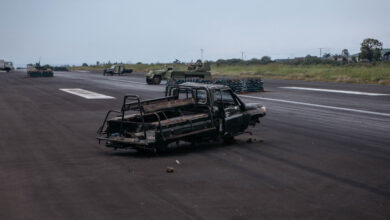
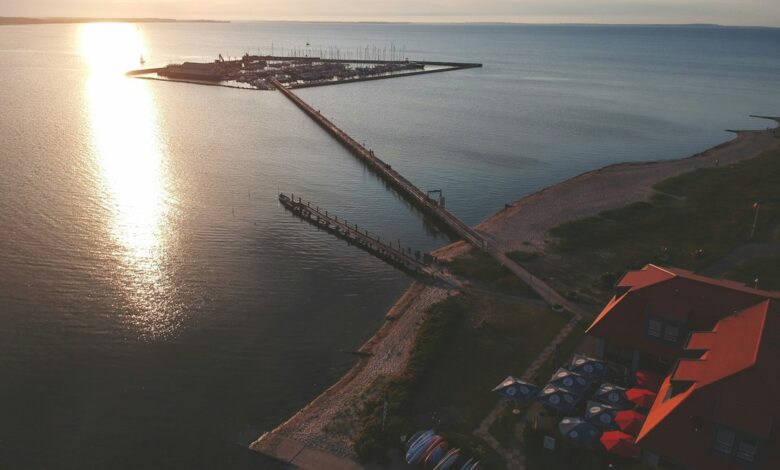
The economic significance of this zone is being tested by an intensifying cycle of tension. As documented by recent analysis from the International Relations Institute of Strategic Studies (IRIS), the geographical proximity of the territories and maritime zones of bordering states makes the Baltic a primary stage for geopolitical and digital friction. The attacks on the Nord Stream gas pipelines and the damage to numerous submarine cables are cited as concrete examples of how conflict in the region manifests physically. These incidents are not isolated; they correlate with a broader pattern of threats that appears to be reshaping the balance of power in the area. The region’s status as a key economic interface means that any disruption here ripples through the supply chains of multiple NATO members and their partners.
Amidst these physical risks, the diplomatic rhetoric has hardened significantly. On November 20, 2026, Russian Foreign Ministry spokesperson Maria Zakharova claimed that NATO’s strategic objective is to wage war against Russia. Speaking during a weekly briefing in Moscow, she described the alliance’s actions as reckless and framed NATO policies as direct war preparation. Zakharova specifically cited nuclear modernization, tensions in the Baltic, and violations of Moldova’s airspace as evidence of this intent. She warned that the United States’ nuclear modernization programs are being closely monitored by Moscow. These statements signal a further deterioration in Russia-NATO relations and represent an effort by Moscow to internationalize its security grievances, moving the conflict from the battlefield in Ukraine to the diplomatic and strategic front.
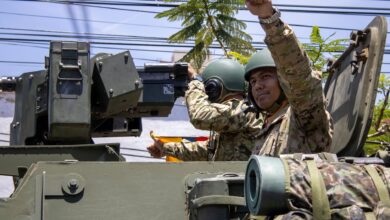
The military dimension of this tension is palpable in the intensification of exercises across the region. NATO’s annual BALTOPS exercise, alongside Joint Expeditionary Force drills, is being mirrored by Russian military exercises, which have been scheduled for periods such as June 2025. This synchronization of activity creates a persistent state of alert. Analysts note that the region is a microcosm of Russia’s larger global maritime intervention strategy. The Russian Baltic Fleet is described as a corner piece of national strategy, used to flex strength and challenge NATO cohesion during a time of military and political uncertainty. The U.S. and NATO partners assess that while Russia has not been fully tested in the maritime domain, it remains highly capable. Consequently, control of the maritime domain and the suppression of Russian anti-access, area denial (A2/AD) capabilities are central to any potential response.
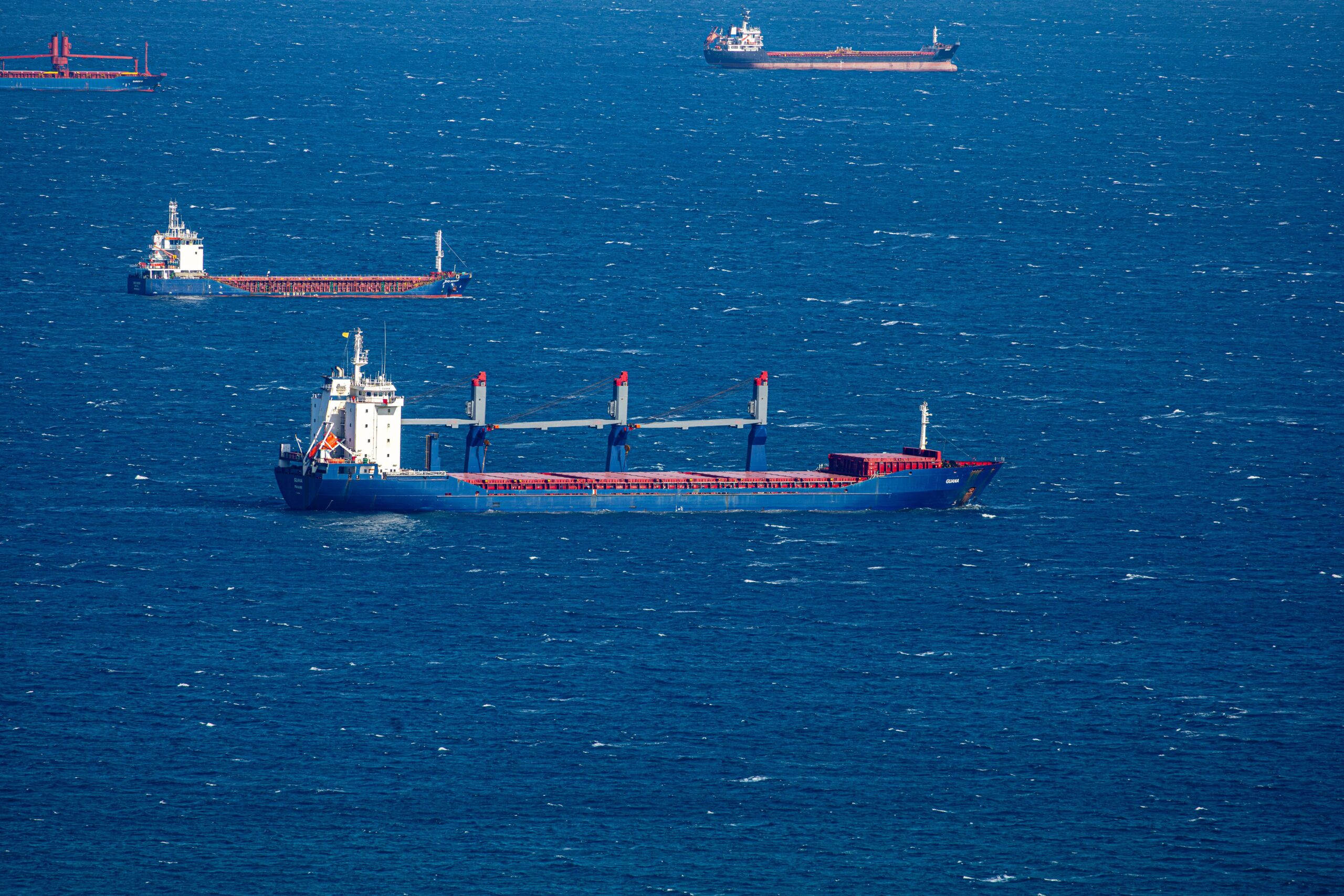
For businesses and governments in the region, the economic implications are structural rather than superficial. The Baltic states, Poland, and Finland rely on these waters for their external trade. Any escalation threatens to disrupt the flow of goods, forcing a reevaluation of logistics and security costs. The damage to submarine cables highlights a less visible but equally critical economic vulnerability: the digital infrastructure that underpins modern commerce. As tensions rise, the cost of doing business in this corridor increases, driven by the need for enhanced security, insurance premiums for maritime transport, and the potential for further gray-zone operations. These operations, which include economic coercion, disinformation, and cyber disruption, aim to exploit the seams of the alliance and test the limits of collective defense.
The response from the West has focused on building resilience through coordinated acquisition and increased industrial capacity. While increased military presence and exercises are important, experts argue that building long-term resiliency is critical to ensuring stability. The NATO summit in Vilnius was identified as a critical juncture for strengthening resolve and establishing a combined strategy to deter further aggression. The goal is to deny Russia control of the region and ensure that full-scale conflict is avoided. However, the uncertainty remains high. The exact timeline and nature of future provocations are unknown, and the economic costs of maintaining a high state of readiness continue to accrue for member states.
As the Baltic Sea continues to serve as a key economic interface, the interplay between military security and commercial freedom remains delicate. The region stands at a crossroads where the next policy decision, whether regarding further military deployments or diplomatic engagement, will determine whether these waters remain a hub of trade or a theater of conflict. For the households and businesses dependent on Baltic ports, the stability of these routes is not just a geopolitical abstraction but a tangible economic reality that shapes daily operations and long-term planning.