The controversy centers on a proposal advanced by Poland, which has requested that its NATO allies consider the feasibility of shooting down Russian missiles over Ukrainian territory when they are heading toward NATO airspace. This request followed a recent mass attack by Russia on Ukraine, during which three Russian missiles reportedly violated Polish airspace. In response to the escalating threat, Warsaw sought a collective defense mechanism that would neutralize projectiles before they crossed international borders.
However, Dan indicated that the Romanian state apparatus had already conducted a thorough analysis of this specific scenario approximately one year prior. “At the time I was conducting this analysis, it stated that it meant joint participation in military actions,” Dan told journalists. He emphasized that the conclusion reached by Romanian government structures was that such steps are equivalent to direct war entry. “If something changes, I will inform you, but that is what I know about the discussions we had then within Romanian state structures,” he added, signaling a firm stance against any immediate shift in policy.
This Romanian position aligns with broader skepticism within the alliance regarding the practical implementation of such interceptors. It was reported that NATO did not support Poland’s proposal to shoot down Russian missiles and drones over Ukraine, citing “numerous complications” that such a move would entail. These complications likely stem from the risk of misidentification, the potential for escalation, and the complex legal frameworks governing NATO’s collective defense protocols, which are designed to protect member state territory rather than engage in combat operations within a non-member state’s airspace.
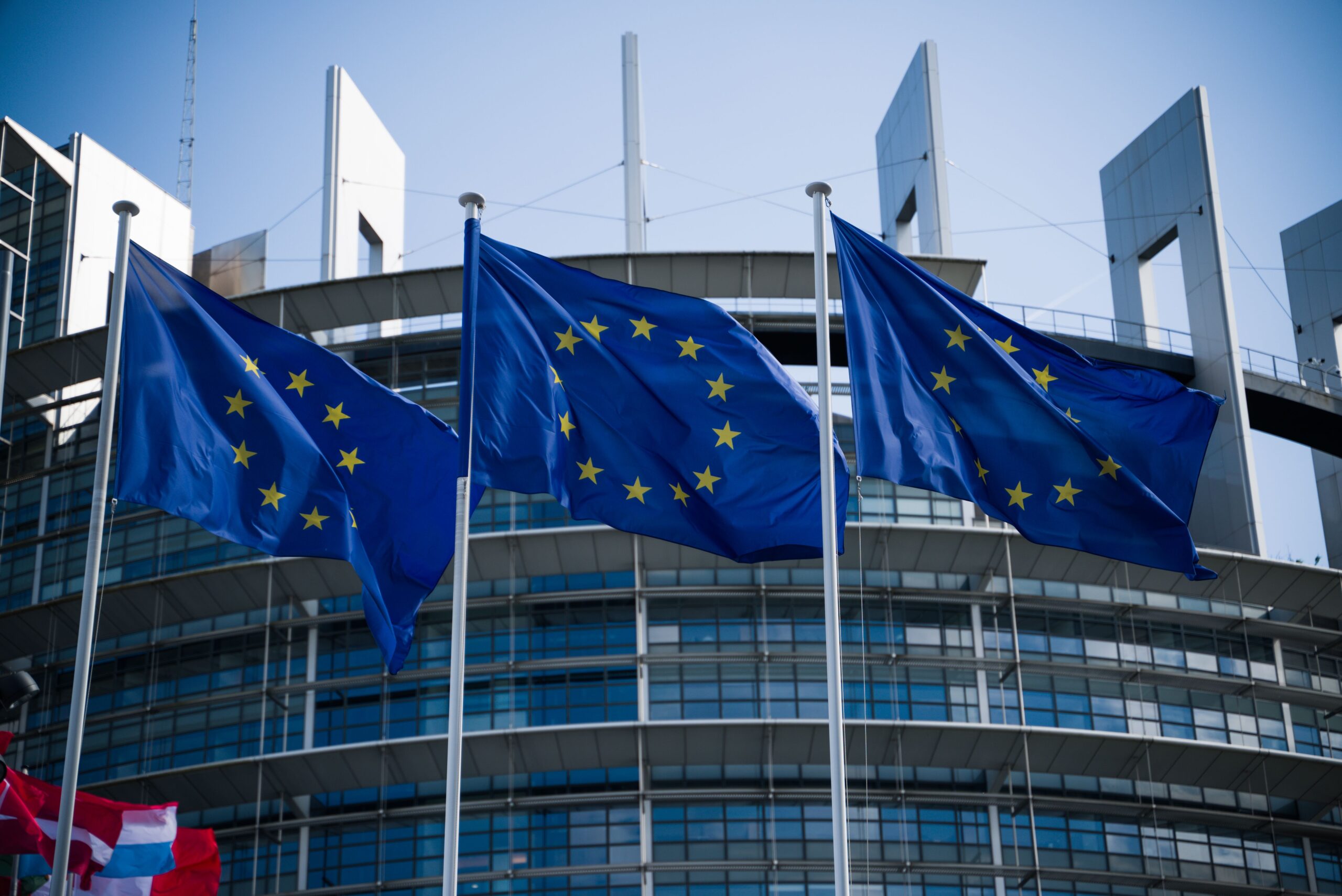
The diplomatic friction occurred against the backdrop of a special Council meeting dedicated exclusively to the European budget for the 2028–2034 period. Dan noted that while the formal agenda was singular, focusing on the long-term financial framework, informal discussions were taking place in the sidelines. “This is an extraordinary Council meeting dedicated to a single theme,” Dan said. “Although there will also be a presentation of important issues in the European Parliament and discussions regarding the European Central Bank, the main theme for this Council meeting is the European budget for 2028–2034.” He confirmed that the security of the Black Sea would be raised during these informal conversations with other leaders.
The Black Sea has become a focal point of geopolitical tension, with both military and economic implications. The region serves as a vital artery for grain exports and energy transit, and its security is intertwined with the broader conflict dynamics. By linking the discussion of Black Sea security to the informal sessions, Romanian officials are signaling that while the budget is the headline item, the immediate security architecture of the region remains a pressing concern that requires diplomatic maneuvering outside the formal treaty mechanisms.
The divergence between Poland’s proactive stance and Romania’s cautious rejection illustrates the challenges facing NATO and the EU in coordinating a unified military response. Poland, bordering Ukraine and having experienced direct incursions of its airspace, advocates for a more aggressive defensive posture. In contrast, Romania, while also a frontline state with a Black Sea coast, emphasizes the legal and strategic risks of crossing the threshold from support to direct participation. Dan’s reference to a “year ago” analysis suggests that this is not a new reaction but a reaffirmation of a long-standing strategic assessment by Romanian security experts.

For European markets and policymakers, this disagreement underscores the uncertainty surrounding the duration and intensity of the conflict. The potential for NATO forces to engage in active combat over Ukraine remains off the table, at least according to Romanian leadership and the broader NATO consensus against the proposal due to complications. This status quo maintains a distinction between supporting Ukraine with equipment and intelligence and engaging in direct kinetic operations. The upcoming informal discussions on Black Sea security will be watched closely to see if any new frameworks for maritime defense or de-escalation can be forged, balancing the need for security with the desire to avoid a wider war.
As the summit concludes its formal business, the focus shifts to the long-term financial commitments of the EU. The 2028–2034 budget will determine the scale of European defense and security investments in the coming decade. The resolution of the current tactical debate regarding missile interception will likely influence how those funds are allocated, with some nations pushing for increased air defense capabilities and others prioritizing diplomatic and economic resilience. The Romanian president’s clear warning that interception equals war entry serves as a reminder of the high stakes involved in every strategic decision made in Brussels.