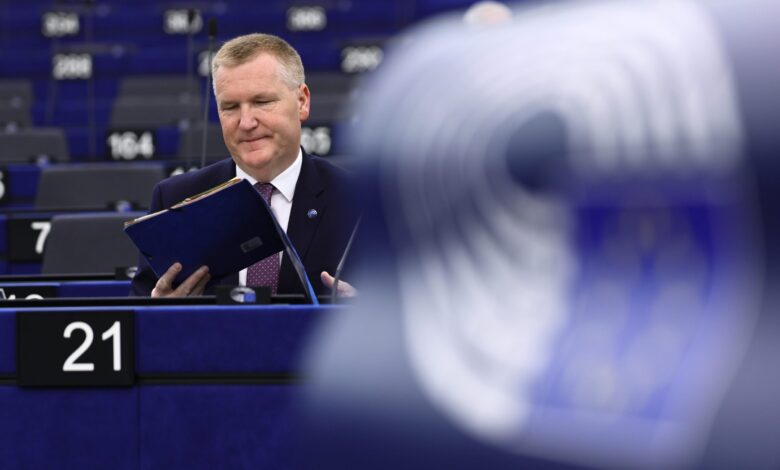
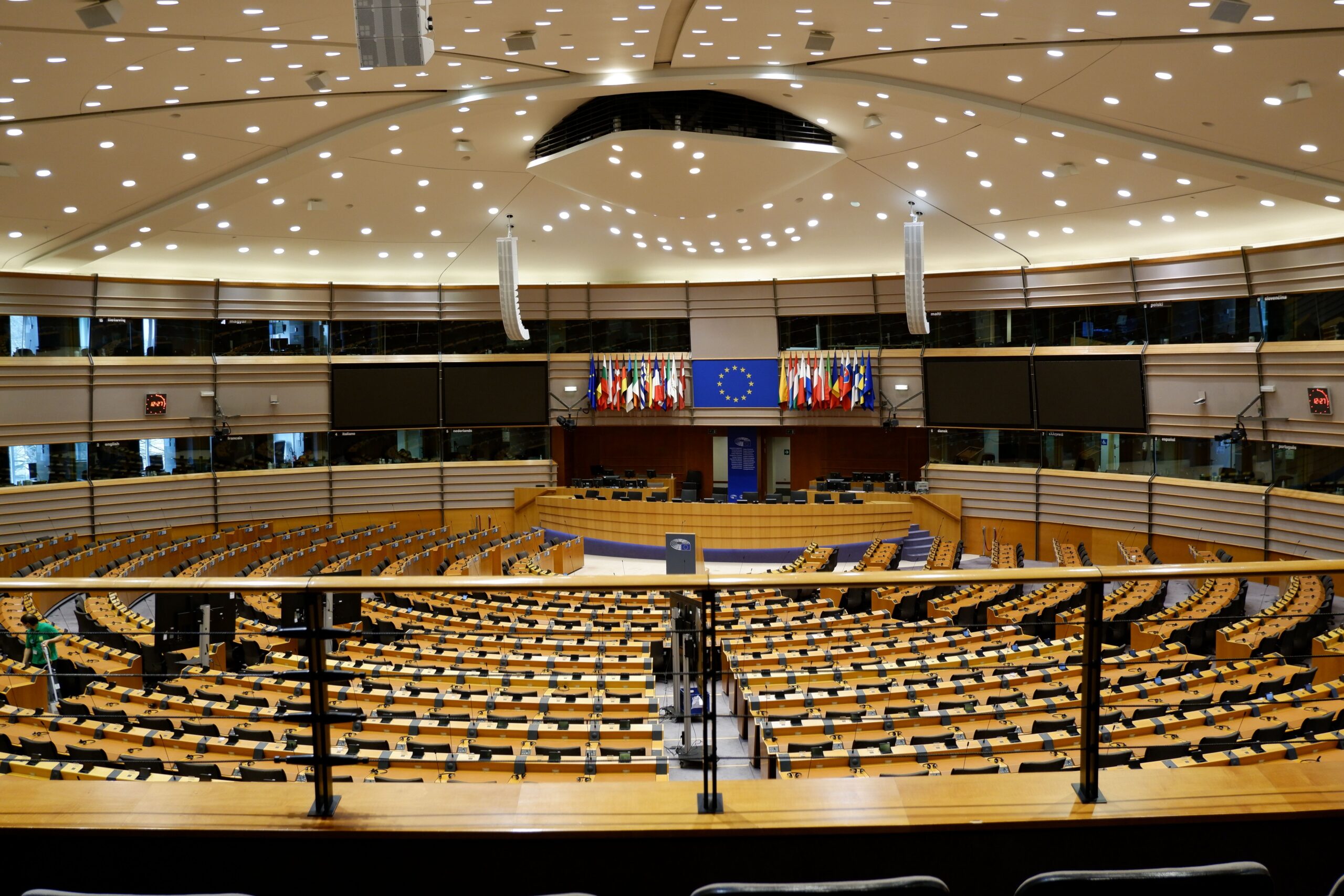
The debate in the plenary session, dominated by voices urging recognition of progress, marked a significant departure from previous years of gridlock. Tomas Tobé, a Swedish EPP MEP, acknowledged that “years of damage cannot be undone in just six months,” but emphasized that the political will to reform is now present. This sentiment was echoed by Sophie Wilmès, a Belgian liberal MEP and former prime minister, who described the Hungarian election as breaking down a wall that had previously hindered EU relations. “We kept banging against the same wall: Viktor Orbán,” Wilmès stated during the debate. “In April, Hungarians themselves broke down this wall.” The European Commission had already signaled this shift earlier in the year by partially unblocking billions of euros in frozen cohesion and recovery funds, a move contingent upon rule-of-law and anti-corruption reforms implemented by the new government.
Despite this praise, the path to closing the Article 7 file is not without friction. Krzysztof Śmiszek, a Polish centre-left MEP, cautioned that while the reforms are important, they are insufficient to declare the threat to the rule of law fully resolved. Similar warnings came from Green MEPs, including Daniel Freund and Tineke Strik, who noted that Hungary still fails to comply with an EU asylum ruling. Strik, who leads the parliament’s work on Hungary’s rule of law, stressed the need for diligence, stating, “We owe it to Hungarian people to be diligent in our assessment.” To formally withdraw the Article 7 procedure, MEPs must secure a two-thirds majority—at least 480 of the 719 lawmakers—before the Council of the EU can close the file. This high threshold ensures that the decision is not merely partisan but reflects a broad consensus on the restoration of democratic standards.
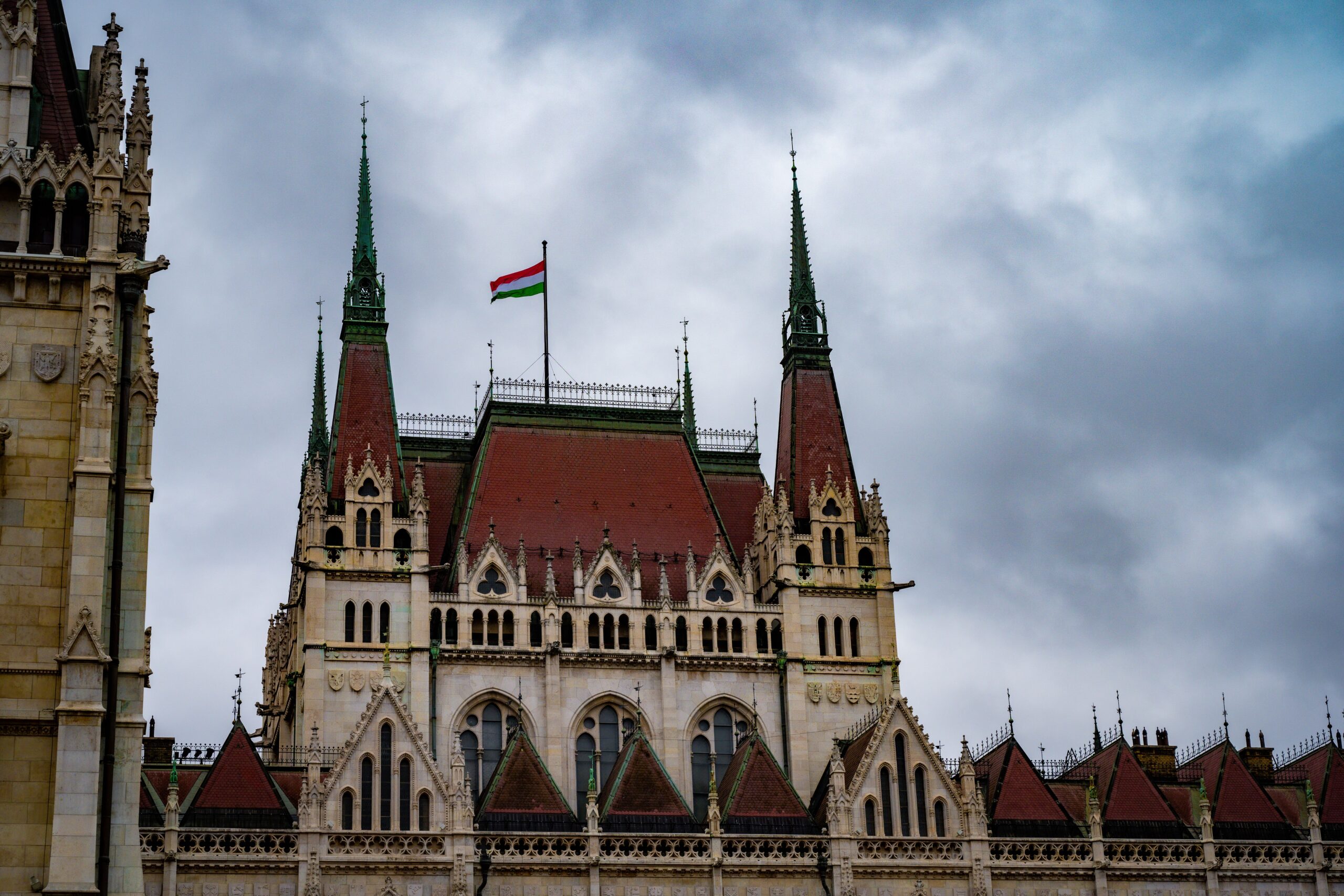
While Hungary’s domestic political transition offers a narrative of democratic recovery, its impact on EU trade and security policy has been more nuanced. The departure of Orbán, long viewed as the primary obstacle to robust sanctions against Russia, was expected to streamline decision-making. Instead, negotiations for the 21st sanctions package have revealed that Hungary’s visible resistance often provided a “veto shield” for other member states with their own objections. As EU ambassadors met in Brussels on July 22, the package had already been weakened due to national economic, religious, and administrative concerns, despite the European Commission’s efforts to tighten pressure on Moscow.
The clearest example of this shifted dynamic involves the sanctions list regarding Patriarch Kirill, the leader of the Russian Orthodox Church. In 2022, Hungary under Orbán held up the sixth sanctions package until Kirill was removed, a move widely criticized as protecting a key supporter of Vladimir Putin. At the time, Budapest presented its position as an isolated stance. However, in the current negotiations, with Budapest no longer objecting, Kirill has again been removed from the list. This time, the resistance came from Bulgaria and Italy, with the latter reportedly influenced by Vatican concerns about sanctioning a religious leader. An EU diplomat noted the irony: “Orbán was the only one willing to bear the public cost, while other Member States have now objected to the same measure and produced the same result.” This episode suggests that the narrative of Hungary as the sole pro-Russian outlier was partially a political construct, masking a broader consensus among certain capitals to avoid measures they viewed as impractical or diplomatically sensitive.
Further illustrating the complexities of the post-Orbán landscape is the current holdout position of Greece. Athens is objecting to restrictions that would prevent EU companies from transporting Russian liquefied natural gas (LNG) to third countries. The Greek government argues that such measures would be ineffective, as affected ships would simply be sold or reflagged in less regulated jurisdictions. The dispute centers on Dynagas, a Greek company operating specialized ice-class tankers that serve Russia’s Arctic Yamal plant. Greece contends that the measure would damage European shipping interests without materially reducing Russia’s energy exports. This economic objection highlights how the uniform front against Moscow, previously maintained through Hungary’s vocal opposition, is now fracturing along lines of national economic interest and regulatory preference.
The implications of these developments extend beyond diplomatic posturing. For Hungary, the partial unfreezing of EU funds represents a tangible economic benefit, allowing the new government to invest in infrastructure and social programs while it works to align with EU standards. For the broader EU, the experience of the 21st sanctions package underscores the fragility of unanimity-based decision-making. The removal of a single vocal dissenting voice has not simplified the process but has instead redistributed the burden of resistance to other member states, each leveraging their veto power to protect specific national interests, whether religious, commercial, or diplomatic.
As the European Parliament prepares for a tight vote in December to potentially close the Article 7 file, the focus will remain on whether Hungary’s reforms are sustained. The new government’s ability to implement changes in the judiciary and asylum policy will be the ultimate test. Meanwhile, in Brussels, the negotiations over sanctions will continue to reveal the true limits of European unity. The exit of Orbán has clarified that the EU’s challenge is not merely one of external pressure from Russia, but of internal cohesion, where the “usual villain” role can be filled by any member state willing to challenge the consensus. For now, the Hungarian case stands as a potential model for democratic reintegration, but the sanctions track record suggests that the path to a unified European economic and foreign policy remains long and contentious. The next critical data point will be the outcome of the December vote in the Parliament and the final composition of the 21st sanctions package, which will determine how much leverage individual member states retain in shaping EU policy.