
The catalyst for this diplomatic push was a documented incident on November 20, during which three Russian Kh-101 cruise missiles breached Polish airspace. Investigative findings later confirmed that debris from these weapons was recovered at three separate locations in Poland. In the aftermath, the Polish Ministry of Foreign Affairs issued a “very sharp diplomatic note” to the Russian ambassador in Warsaw, who dismissed the accusations as baseless and a manifestation of “Russophobia.” Prime Minister Donald Tusk subsequently characterized the incident as an “intentional provocation,” stating that the weapons landing on Polish soil were not accidental. This assessment was echoed by President Volodymyr Zelenskyy, who described the broader Russian attack on Ukraine that night as “one of the largest attacks” since the war began, claiming more than 400 drones and 110 missiles were fired, with at least eight people killed in Ukraine.
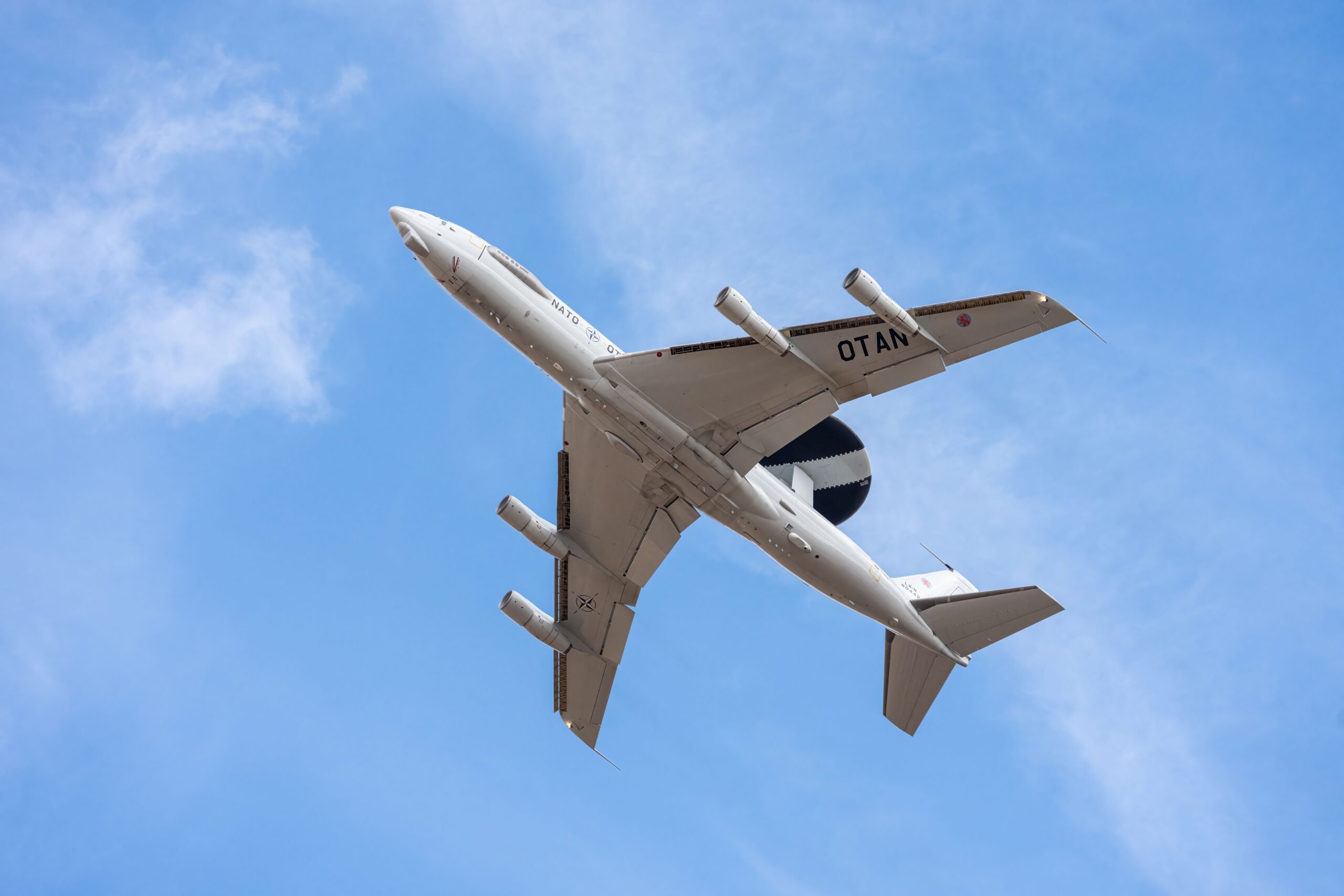
The proposal to extend defensive actions into Ukrainian airspace is technically and politically complex. According to sources, the idea would require Kyiv to provide early warnings and grant the Alliance access to its own airspace. Operationally, any such action would need to be coordinated by the Supreme Allied Commander Europe and, crucially, requires the unanimity of all 32 NATO member states. As of the most recent reports, that consensus does not exist. While some allies expressed support for the concept, the discussions remained preliminary, with no decision reached. The core concern among skeptics is that such a move could be interpreted by Moscow as a direct act of war, thereby dragging NATO into a direct military confrontation with Russia.
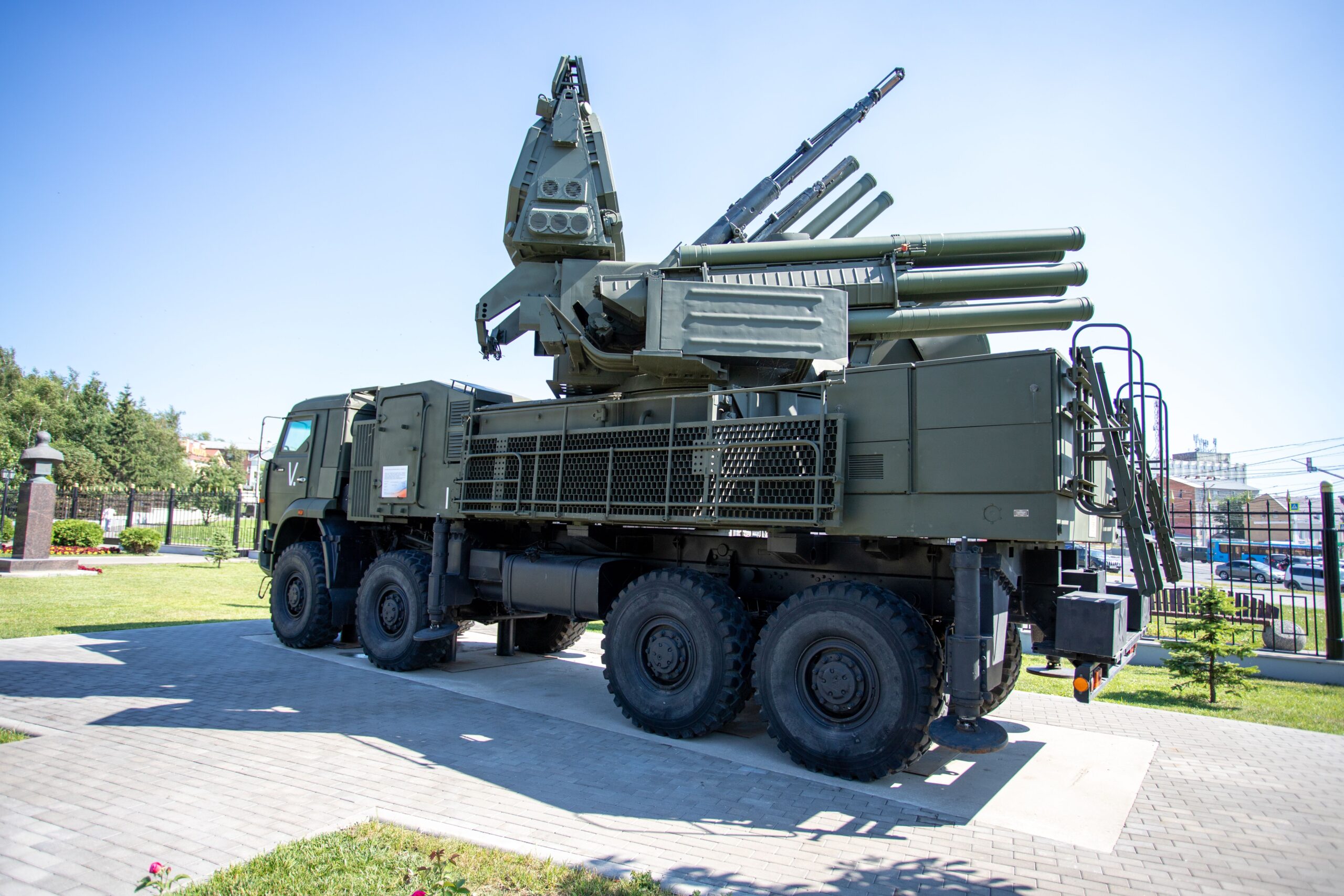
Polish Defense Minister Władysław Kosiniak-Kamysz acknowledged the difficulty of the situation, noting that “one country, obviously, is not capable of doing this alone.” He indicated a “greater willingness to discuss the issue” among allies but admitted there was “no resolve to act” yet. This hesitation reflects the broader strategic constraint facing the alliance: balancing the need to protect the eastern flank against the risk of escalation. Deputy Defense Minister Cezary Tomczyk emphasized that the protection of Poland’s eastern border is a “very important issue,” linking it to the “Eastern Shield” program and other security initiatives.
Domestically, Poland is tightening its own defensive posture in anticipation of further incursions. The government plans to introduce a no-fly zone in the eastern part of the country, near the Ukrainian border, targeted to take effect by late December or early January. This zone, extending several dozen kilometers from the border, aims to restrict civilian and non-essential military aviation to reduce the risk of collisions or misidentifications. Furthermore, Poland has already altered its air defense procedures. Two months ago, Polish pilots shifted from standard visual identification protocols to “positive identification.” In peacetime NATO doctrine, visual confirmation is often required to shoot down a target. In the current “pre-war conditions,” as Tomczyk described them, pilots are now authorized to destroy targets based on a “set of characteristics” identified by radar and other sensors, a change driven by the operational command of General Nowak.
The strategic implications of these developments are profound. The Kh-101 missiles, which are long-range, low-observable cruise missiles, represent a specific threat to NATO infrastructure. Their ability to penetrate national airspace highlights gaps in current air defense coverage. The proposal to intercept them over Ukraine seeks to push the defensive line further east, potentially utilizing NATO assets to engage threats before they cross into alliance territory. However, the logistical and legal barriers are substantial. Interception over Ukraine would require precise coordination with Ukrainian air defenses, a task complicated by the ongoing conflict and the presence of Russian forces. Moreover, the requirement for unanimity means that even a single dissenting voice among NATO members could block the initiative.
Meanwhile, the human cost of these strategic calculations continues to mount in Ukraine. In the city of Sloviansk, Russian forces launched repeated strikes using FAB-500 aerial bombs. On November 25, a strike on the central district killed a 77-year-old man and injured three others, damaging four apartment blocks and six private houses. Earlier that same morning, a separate strike damaged 24 private homes and one apartment building, injuring a couple aged 68 and 73. On November 22, a strike on a residential area destroyed a five-story building, resulting in the deaths of two people and injuries to five others. These incidents underscore the relentless pressure on Ukrainian civilian infrastructure, a pressure that Poland and its allies are now forced to address not just with aid, but with potentially direct military intervention in the air defense domain.
As the NATO ambassadorial discussions continue, the focus remains on the immediate threat to the alliance’s eastern border. The next confirmed development will be the formalization of Poland’s no-fly zone and the potential for further diplomatic clashes over the November 20 incursion. The alliance stands at a crossroads, where the definition of collective defense is being tested against the reality of Russian military actions that blur the lines between territorial sovereignty and wartime escalation. The outcome of these negotiations will determine whether NATO remains a defensive shield for its members or becomes an active participant in the conflict over Ukrainian airspace.