
This policy represents a significant divergence in approach between the world’s two largest economies. While Western discourse often centers on the ethical implications, safety concerns, and potential labor displacement caused by advanced AI models, China’s directive focuses on universal accessibility and technical literacy. By targeting every school, the government aims to ensure that AI is not merely a specialized skill for a select few, but a core competency for the entire student demographic. The timeline, set for 2030, allows for the gradual infrastructure development and curriculum design necessary to meet such a broad educational goal.
The immediate impact of this strategic pivot is already visible in the educational marketplace. This summer, there was a notable surge in demand for AI-themed study tours, indicating that students and families are proactively seeking out specialized learning opportunities ahead of the mandatory curriculum rollout. These tours likely offer introductory concepts and hands-on exposure to AI tools, catering to an audience eager to get ahead of the coming academic requirements. The popularity of these programs suggests a high level of public engagement with the technology, driven by both the new national mandate and the perceived economic advantages of AI proficiency.

The implementation of universal AI education will require substantial changes to existing school structures. Teachers will need training to integrate AI concepts into standard subjects, and schools will require updated hardware and software resources to support practical learning. The policy does not specify the exact curriculum details, such as whether the focus will be on coding, data analysis, or the theoretical underpinnings of machine learning, but the breadth of the mandate implies a comprehensive approach. By making AI education universal, the state aims to reduce the digital divide within its own borders, ensuring that students from all socioeconomic backgrounds have access to the same technological training.
Commercially, this move positions China to build a massive domestic talent pool for its tech sector. Companies operating in the region can expect a future workforce that is fundamentally literate in AI applications, potentially accelerating innovation in industries ranging from healthcare to manufacturing. However, the policy also raises questions about the pace of adoption. Integrating a rapidly evolving field like AI into a standardized national curriculum by 2030 will require constant updates to keep the material relevant and accurate. The success of this initiative will depend on the ability of the educational system to adapt to the fast-changing nature of the technology while maintaining rigorous academic standards.
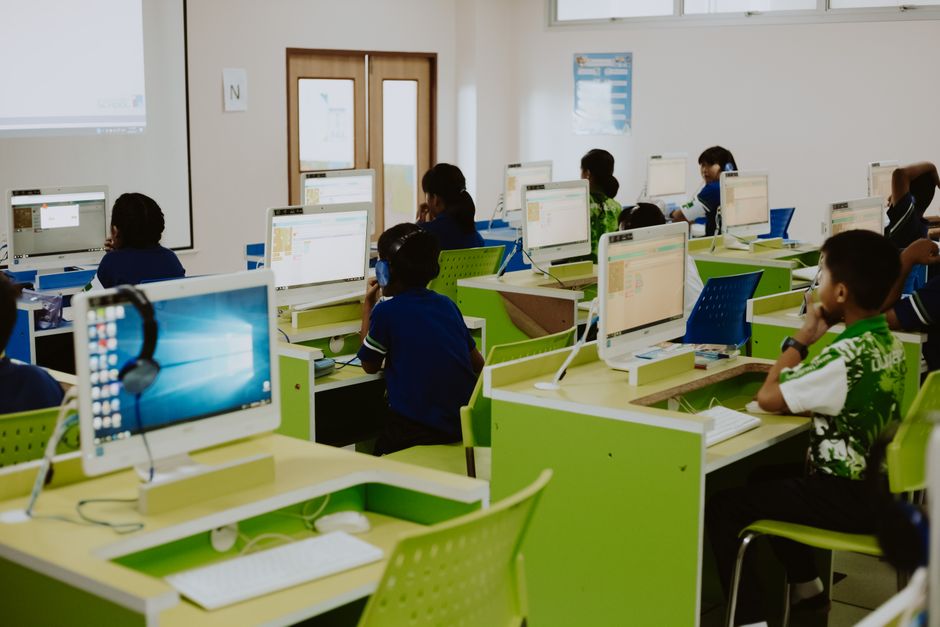
For individual students, the mandate means that AI will become as routine a part of their school day as mathematics or literacy. The surge in study tours indicates that many are already preparing for this shift, seeking an edge in a competitive academic environment. As the deadline approaches, the focus will likely turn to the practical implementation of these programs, with educators and technologists working to ensure that the training provided is both effective and accessible. The next confirmed development in this trajectory will be the gradual release of curriculum guidelines and the expansion of teacher training programs to prepare for the full-scale rollout.
Ultimately, the decision to mandate AI education for all students reflects a broader national priority to secure technological leadership. By controlling the narrative around AI through education rather than just regulation, Beijing is shaping the future workforce to meet the demands of a digital economy. The coming years will determine whether this ambitious goal results in widespread technical proficiency or if it faces the logistical challenges inherent in transforming a national education system at such scale.