A U.S. official confirmed the deployment of the third carrier group, which joins two other strike groups already operating in the area. The total military deployment to the region now encompasses approximately 50,000 personnel. The force composition includes advanced F-35 stealth fighter jets and Marine units, indicating a capability for both high-altitude interception and ground-based amphibious or special operations. The scale of this buildup suggests that Washington is preparing for a range of potential contingencies, including the possibility of direct kinetic action.
President Donald Trump has indicated that he is evaluating the resumption of bombing campaigns against Iran. This consideration follows the recent midterm elections, which may have altered the domestic political calculus regarding foreign military engagement. The timing of the carrier deployment suggests a coordinated effort to demonstrate military resolve before any potential decision to escalate hostilities is finalized. The presence of multiple carrier groups in close proximity to Iranian waters significantly increases the U.S. Navy’s ability to project air power and conduct sustained operations if ordered.
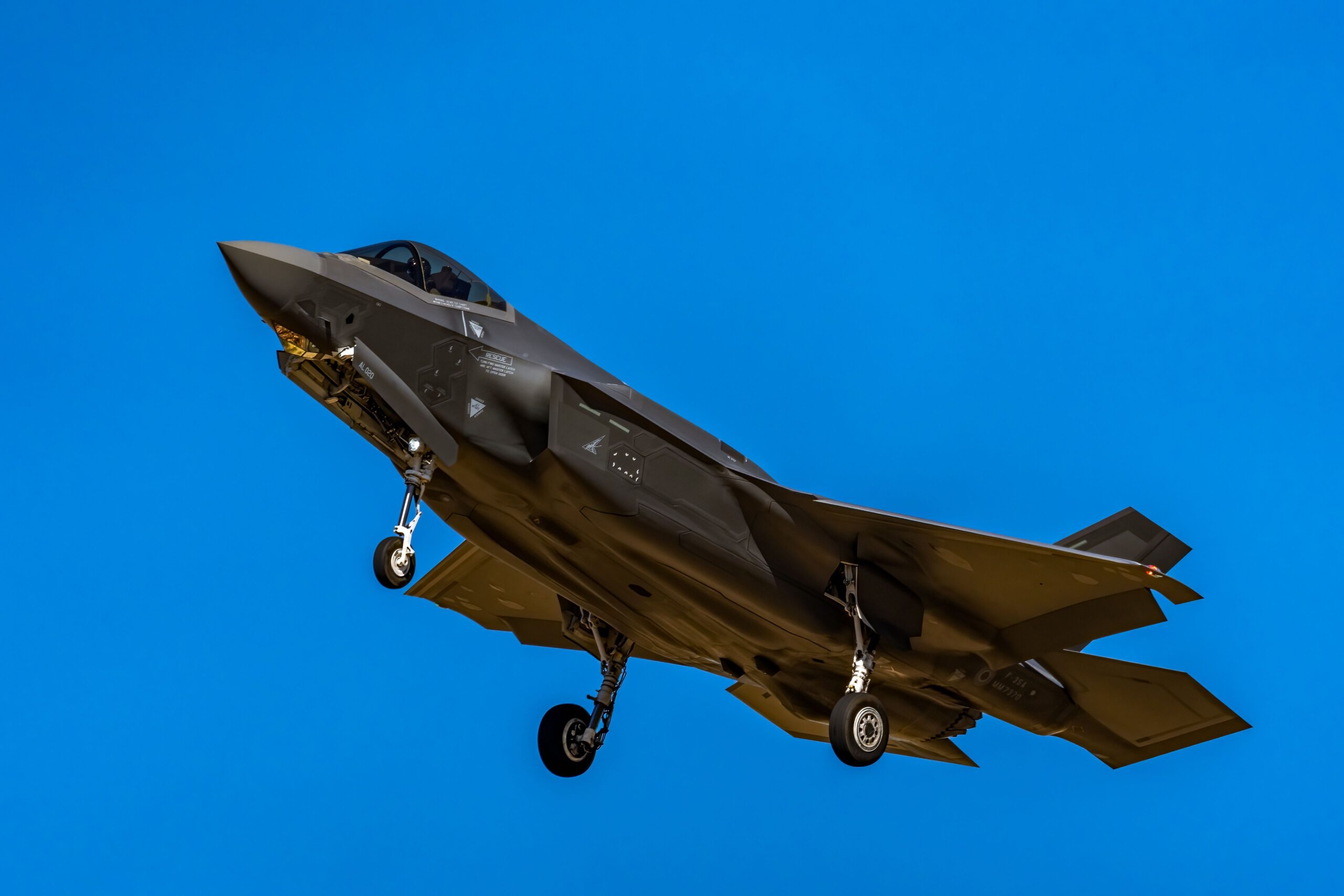
The addition of the third carrier strike group completes a tri-carrier deployment, a configuration rarely seen in recent years due to the high operational cost and logistical complexity involved. Such a formation allows for continuous coverage and redundancy in air operations, reducing the vulnerability of the fleet to saturation attacks. The inclusion of F-35s within this deployment highlights the integration of next-generation stealth technology into the regional force structure, providing an edge in both offensive and defensive air dominance scenarios.
Military analysts note that the deployment of Marine units alongside the carrier groups expands the operational flexibility of the U.S. forces in the region. Marines can be rapidly deployed for various missions, including humanitarian assistance, disaster relief, or as a forward presence for deterrence. The combination of naval, air, and ground forces creates a multi-domain threat that complicates Iran’s ability to respond effectively or escalate the conflict without facing severe consequences.
The immediate next steps involve the arrival and integration of the third carrier group into the existing command structure in the Middle East. No specific timeline for the resumption of strikes has been announced, but the military buildup is designed to provide the administration with maximum leverage in negotiations or in the event of a decision to use force. The situation remains volatile, with the military deployment serving as both a deterrent and a preparatory measure for potential conflict.
This escalation underscores the critical importance of the U.S. military posture in safeguarding regional stability and protecting allied interests in the Middle East. The deployment is a clear signal that the United States is prepared to defend its personnel and allies against any aggression from Iran. As the third carrier group arrives, the focus will remain on monitoring Iranian activities and maintaining a state of high alert.
The buildup represents a significant resource commitment by the U.S. Department of Defense, requiring careful coordination of logistics and support assets across the region. The presence of such a large force also has implications for regional allies, who may be called upon to support the operation or provide basing facilities. The ultimate goal of the deployment is to stabilize the situation through deterrence, but the potential for miscalculation remains a concern among defense officials.
As the third aircraft carrier strike group enters the theater, the U.S. military will continue to monitor the situation closely. The deployment of 50,000 troops and advanced aircraft marks a decisive step in the military strategy against Iran. The coming days will likely see increased activity as the forces assume their designated positions and prepare for any orders from the White House. The international community is watching closely, aware that any miscalculation could lead to a wider regional conflict.