
The pressure for immediate action has intensified following warnings from the United States, which has urged European allies to consider tapping into these reserves to stabilize global supply. While the US has historically managed its own inventory levels, the current market dynamics have shifted the spotlight to Europe, where the recent price peak has heightened fears of further inflationary pressure. The European Commission is now weighing the option of a coordinated release, a move that would inject additional barrels into the market to dampen the upward trajectory of wholesale and retail prices.
At the heart of the debate is the assessment by EU Energy Commissioner Dan Jorgensen, who has cautioned that the current volatility in energy markets is likely to persist. His warning suggests that regulators and consumers should not anticipate a quick return to pre-crisis price levels. Instead, the structural changes in global energy supply and demand, compounded by geopolitical instability, point to a new baseline of higher prices and greater uncertainty. This perspective challenges the hope that short-term shocks will resolve themselves without policy intervention, arguing instead that the energy landscape has fundamentally shifted.
Policy Responses and Strategic Reserves
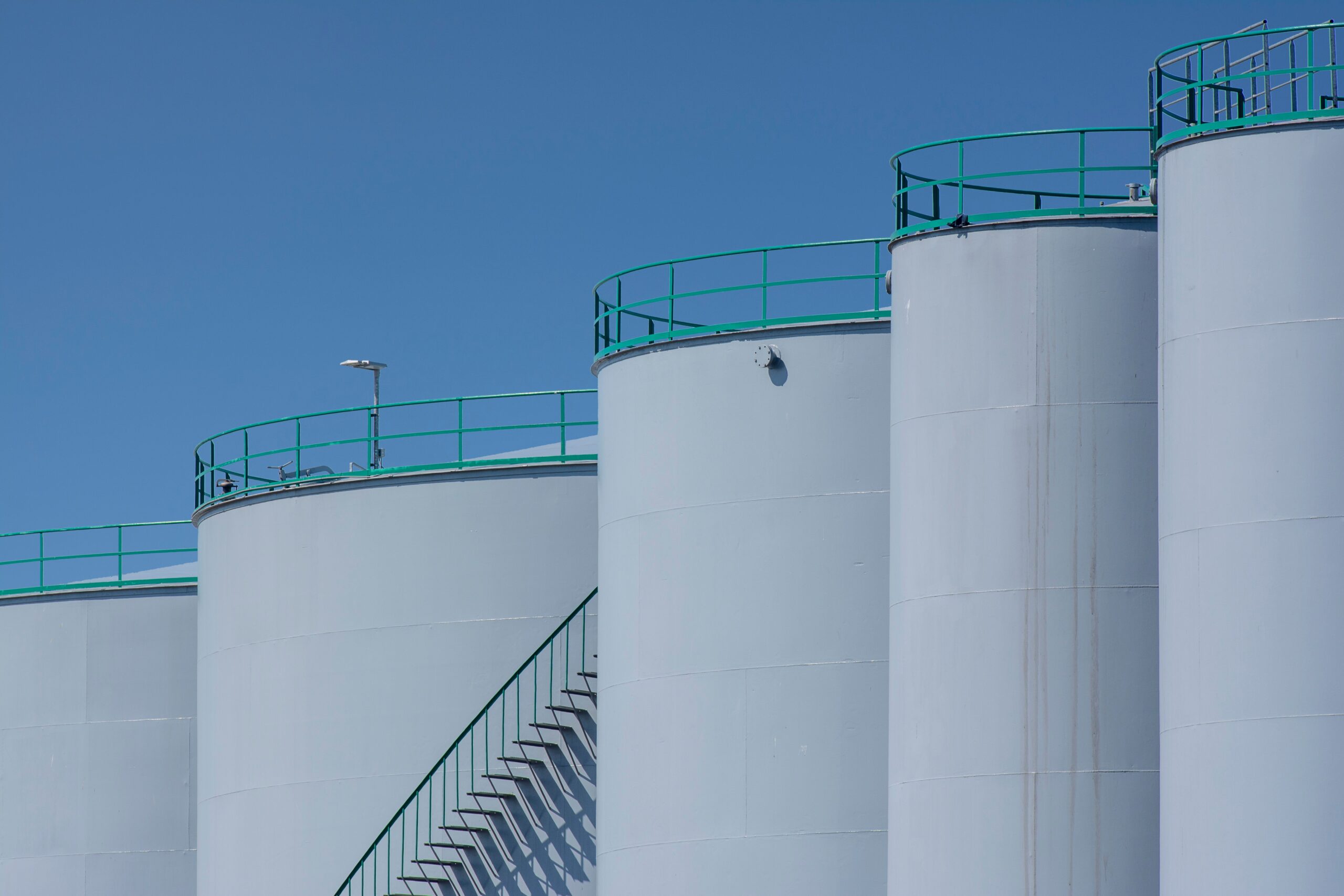
The potential release of strategic oil reserves represents one of the most direct tools available to governments to influence market prices. These reserves, maintained by member states and the IEA, serve as a buffer against supply disruptions. However, their deployment is a complex decision. Releasing stocks can provide immediate relief to consumers and industries reliant on diesel, but it also reduces the safety net available for future emergencies. If the volatility Jorgensen warned of is indeed long-term, policymakers must balance the immediate economic pain of high fuel costs against the long-term security benefits of maintaining robust reserve levels.
The decision-making process is further complicated by the need for coordination among EU member states. Different countries have varying levels of reserve capacity and different economic exposures to diesel prices. For instance, nations with heavy industrial or agricultural sectors may feel the impact more acutely than others. The emergency talks aim to align these national interests with a unified bloc response, ensuring that any release of reserves is sufficient to impact global markets without depleting individual national buffers below safe thresholds.
Meanwhile, the broader European political landscape continues to navigate its own set of challenges, which indirectly influence energy policy stability. In Spain, the Congress of Deputies is voting on two housing decrees, a move that tests the cohesion of Prime Minister Sánchez’s coalition. While seemingly unrelated to fossil fuels, the stability of government coalitions plays a crucial role in the consistency of energy and economic policies. Similarly, in Romania, authorities in Bucharest have issued warnings regarding new “hybrid threats” from Russia. These threats, which can include disinformation, cyberattacks, or energy infrastructure sabotage, add a layer of security complexity to the energy equation, further justifying the maintenance of strategic resilience.
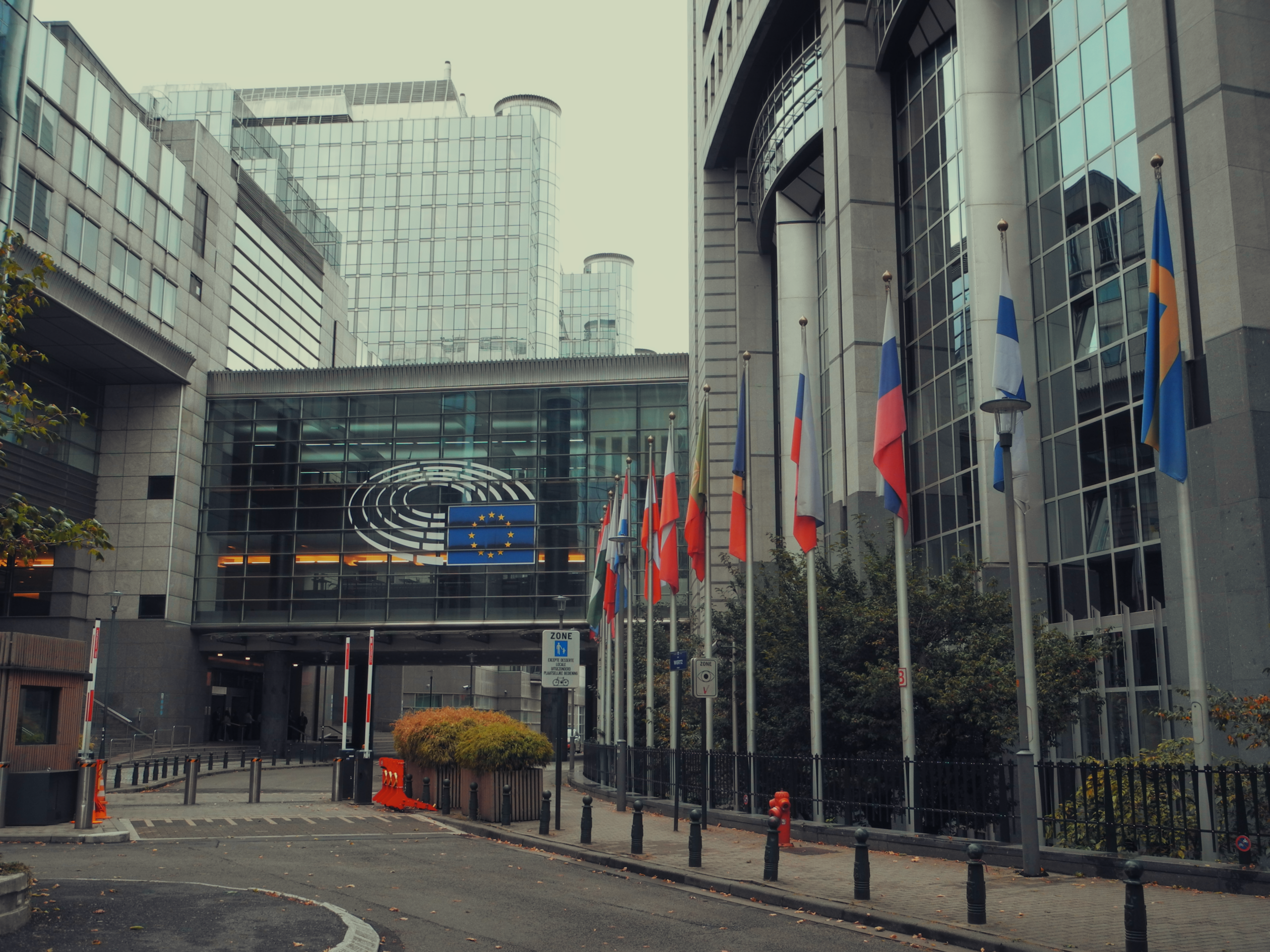
Amidst these political developments, the EU has also closed the book on Ukraine’s $27 billion deficit, a significant financial milestone that reflects the scale of support provided by the European bloc. This financial commitment underscores the deepening economic entanglement between the EU and Ukraine, a relationship that is increasingly inseparable from the European energy strategy. Supporting Ukraine’s stability is viewed not just as a humanitarian or geopolitical imperative, but as a critical component of securing European energy independence and supply chain integrity.
For consumers and businesses, the immediate reality is the record-high cost of diesel. Whether the emergency talks result in a tangible release of strategic reserves remains to be seen. What is clear, however, is that the era of low-cost, stable energy supplies has given way to a period of heightened volatility. As EU leaders deliberate, the focus remains on mitigating the economic shock of high fuel prices while preparing for a future where energy markets are defined by persistent unpredictability.