
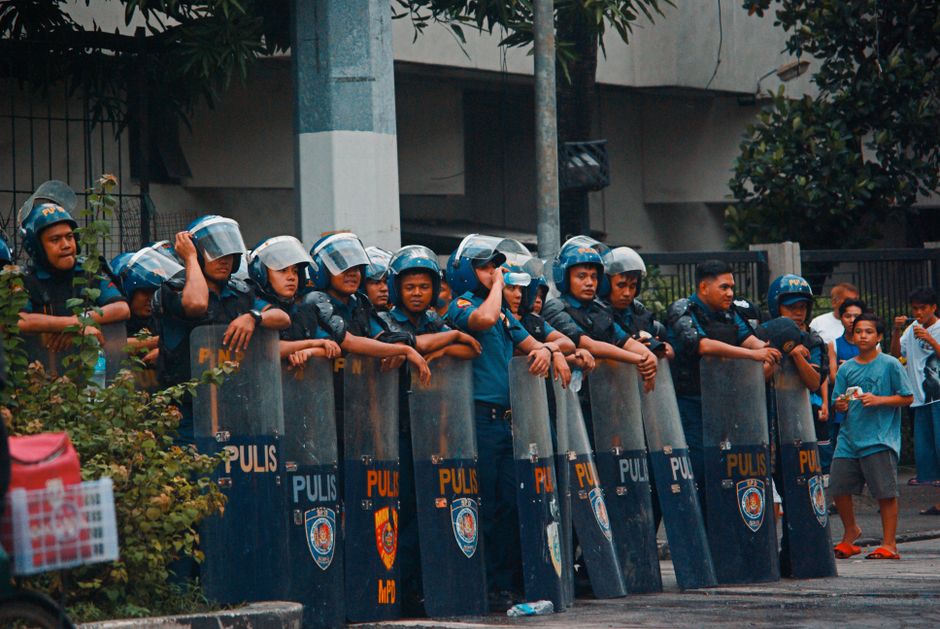
The protests, which erupted in schools in the Paris region last week, have snowballed into a broader national movement. Participants are primarily venting frustration over under-resourced schools, long working hours, and other institutional complaints. The situation has turned violent in several locations, with police reporting hundreds of arrests during clashes with young protesters. Authorities have confirmed many dozens of injuries among both demonstrators and police officers. While many injuries resulted from hurled objects, some suspected cases involve harm caused by police riot-control projectiles.
The unrest is rapidly becoming a dominant topic in the election campaign scheduled for May, which will determine the successor to President Emmanuel Macron. The French president is constitutionally barred from seeking a third consecutive term, leaving the political landscape open to significant contestation. The student protests are heightening pressure on the current government, which is already grappling with France’s growing financial problems. The timing of the demonstrations has drawn sharp political attention, with various factions attempting to leverage the crisis for electoral advantage.
Political reactions to the government’s handling of the situation have been polarized. Far-left presidential hopeful Jean-Luc Mélenchon has publicly decried the government’s response, characterizing it as repressive. In contrast, critics of Mélenchon’s party have accused them of seeking to use the unrest to score political points in the presidential campaign. These critics have further alleged that the party is inciting violence, though such claims remain partisan characterizations rather than established legal findings.
Political and Institutional Context
The demonstrations have coincided with a period of heightened political scrutiny in France. As the presidential election approaches, any major social unrest tends to intensify debates regarding the government’s capacity to manage domestic stability. The cancellation of ministerial trips signals an internal assessment that the scale of the protests requires a concentrated administrative and security response. By centralizing the government’s focus, authorities aim to mitigate further escalations in violence and address the immediate safety concerns in affected areas.
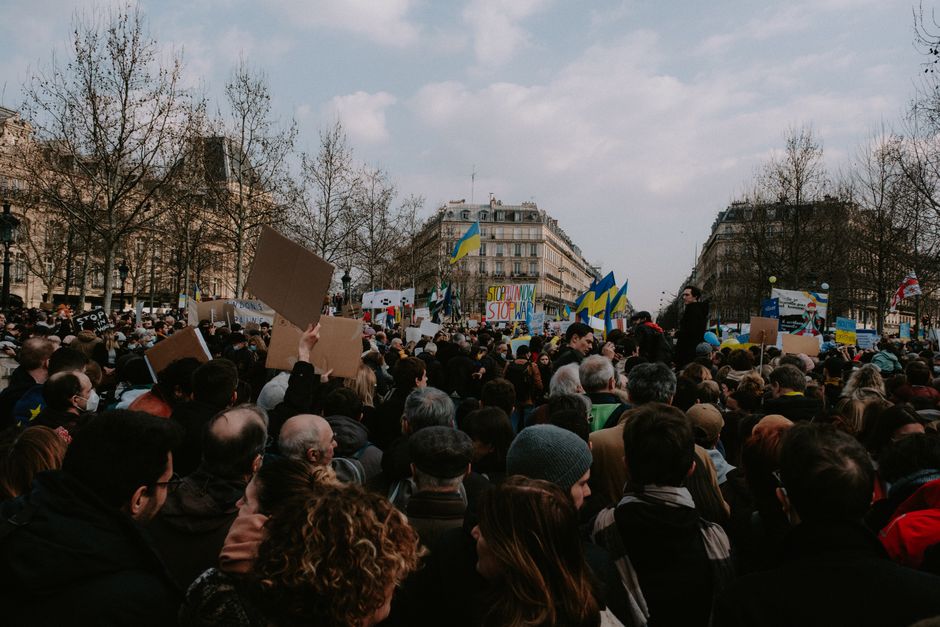
The grievances cited by protesters, specifically regarding the state of the educational infrastructure and student working conditions, reflect longstanding concerns within the French education sector. While the protests began in the Paris region, their subsequent spread indicates a resonance with student communities across the country. The involvement of police in riot control has become a focal point of public discourse, with ongoing investigations likely into the specific circumstances of injuries sustained by both sides of the clashes.
No specific legislative response or immediate policy announcement has been detailed beyond the crisis meeting and the cancellation of official travel. The next significant political step will be the continuation of the presidential campaign, where the government’s management of these protests will likely be a key variable in voter perception. As the situation remains dynamic, the focus for the coming days will be on whether the crisis measures succeed in de-escalating tensions or if the unrest continues to expand.