
The aircraft, designated NAF 931, crashed in the Igbokoda area of Ondo State. Aviation Minister Festus Keyamo stated that the plane disappeared from radar at approximately 9:00 a.m. local time (7:00 a.m. GMT). The crash site was located near a naval base, roughly halfway through the aircraft’s intended journey from Edo State to Lagos, the country’s economic hub. Keyamo confirmed that an immediate search and rescue operation was launched after the loss of contact, though no survivors were found.
Nigerian President Bola Tinubu extended his “deepest condolences” to the families of the deceased. The revision of the casualty count highlights the challenges in providing immediate, accurate information in the aftermath of major aviation disasters. The initial report of 32 fatalities was issued on Monday, October 5, and was subsequently amended on Tuesday to reflect the verified number of personnel on board the specific aircraft involved.
Local residents near the crash site provided accounts of the event to news agencies. One local witness described the moment the plane came down, noting that it “cleared some trees” before impact. Residents reported finding body parts, clothing, and shoes in the area. Social media videos circulated showing a crowd gathered near a river where rescue teams were conducting searches by boat. The terrain, described as a swampy area, likely complicated initial recovery efforts.
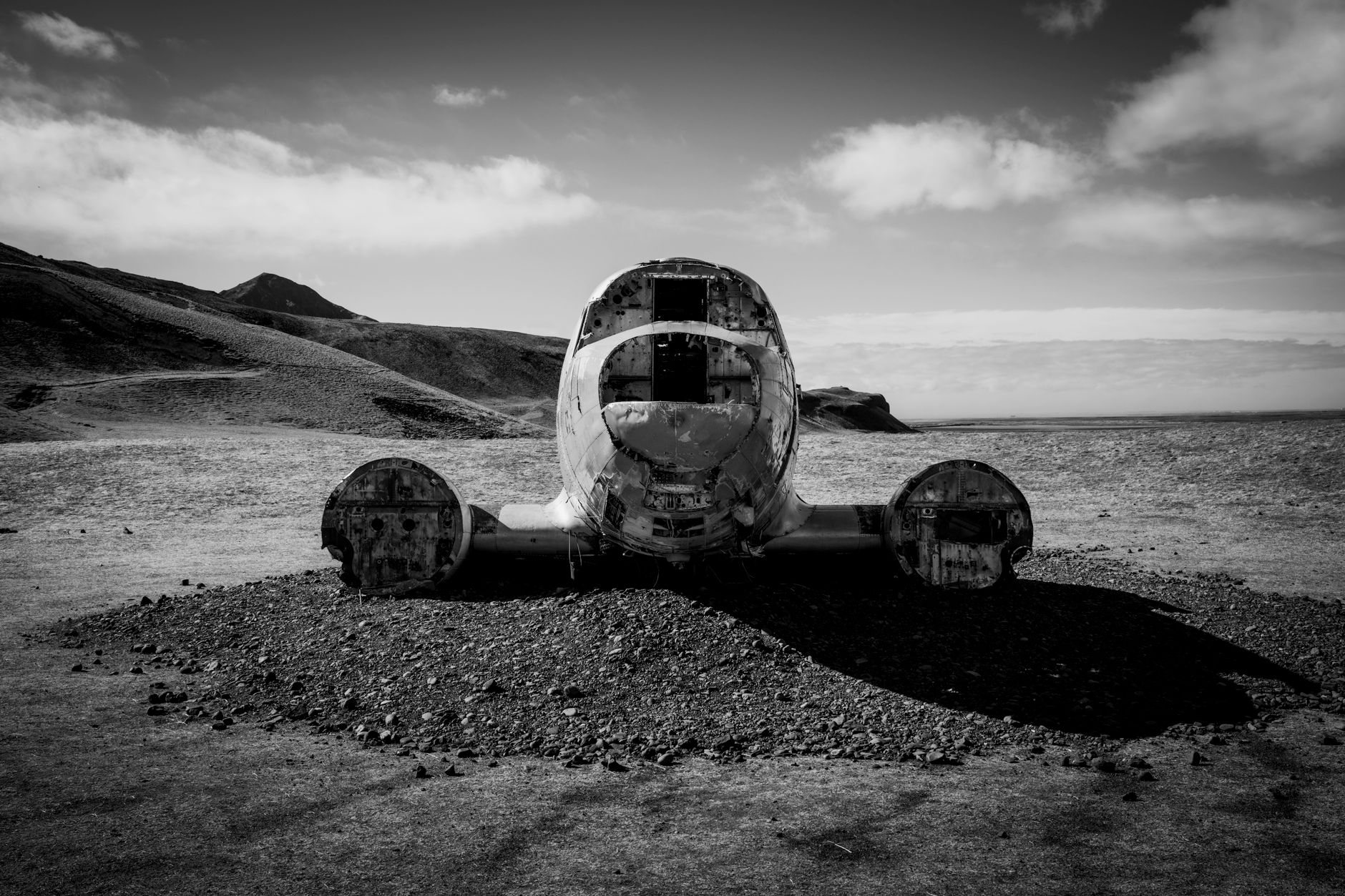
The ATR-42 is a twin-engine turboprop aircraft widely used for regional transport and military logistics. While the specific technical cause of the crash has not yet been determined, the Nigerian Air Force has indicated that an investigation is underway. The incident raises questions regarding maintenance protocols, weather conditions, and technical reliability within the NAF’s fleet. Military aviation accidents in Nigeria have drawn attention to the readiness and safety standards of the air force’s aircraft, particularly older models that have been in service for extended periods.
Operational Context and Safety Concerns
The crash of the ATR-42 underscores the operational risks associated with military aviation in challenging geographical environments. The route from Edo State to Lagos is a common corridor for military movements, yet the crash occurred shortly after the aircraft left the ground or during its initial climb, given the proximity to the starting point relative to the full distance to Lagos.
Aviation safety experts often emphasize the critical importance of the “takeoff and landing” phases of flight, which account for the majority of aviation accidents globally. The involvement of a turboprop aircraft in a military context suggests the plane was likely being used for troop transport or logistical support rather than combat operations. The loss of 25 personnel represents a significant blow to the Nigerian military’s manpower and morale.
Authorities have not released further details regarding the identities of the victims or the specific mission parameters beyond it being a “routine mission.” The presence of 20 passengers alongside a five-person crew indicates a full-capacity flight, raising questions about load factors and operational schedules for military transport aircraft.
Investigation and Next Steps
The Nigerian government has launched an official investigation into the cause of the crash. Investigators will examine the wreckage, retrieve the flight data recorder and cockpit voice recorder if intact, and analyze meteorological data from the time of the incident. The recovery of debris from the swampy terrain near the naval base is a priority to reconstruct the final moments of the flight.
This incident follows a period of heightened scrutiny on aviation safety in West Africa, where both civilian and military operators face infrastructure and maintenance challenges. The Nigerian Air Force is expected to issue a formal statement detailing the findings of the preliminary investigation. Until then, the focus remains on supporting the bereaved families and ensuring that the lessons learned from this tragedy are applied to prevent future accidents.
The crash serves as a stark reminder of the inherent dangers in military aviation and the critical need for robust safety oversight. As the investigation progresses, international aviation bodies may also review the incident, particularly if the ATR-42 type is involved in a pattern of mechanical failures or operational errors.
