
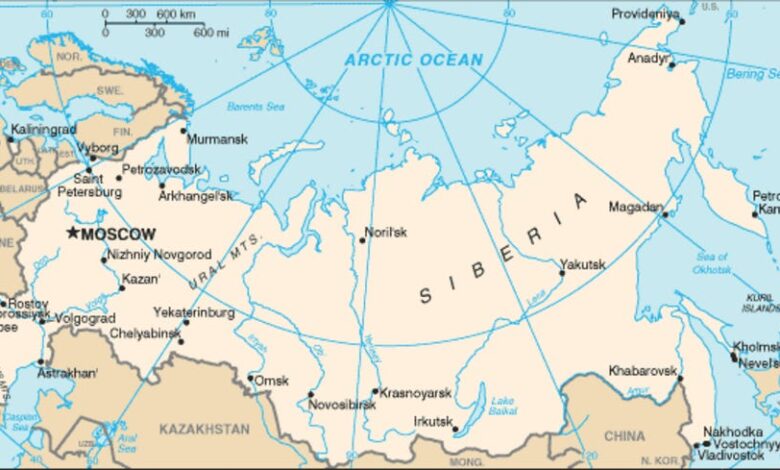
Shipilova was admitted to Shelekhov District Hospital on September 29 and died two days later. While initial reports described her condition as severe pneumonia, subsequent information from regional officials and media indicates she contracted a “particularly dangerous infection.” Governor Alexei Tsydenov of the neighboring Buryatia region confirmed that a woman in the Irkutsk region had died of plague, though the specific form of the disease remains officially unconfirmed. Some reports suggest it was pneumonic plague, while others describe it as bubonic plague. The exact mode of transmission is also under investigation, with conflicting accounts circulating regarding how the infection occurred.
Inconsistent Accounts of Infection Source
Authorities have not provided a definitive explanation for how Shipilova contracted the disease. One version of events suggests she may have been infected during a work trip to Buryatia, a region where a plague outbreak was reported on the border with Mongolia. Another widely circulated account claims she accidentally broke a test tube containing the plague bacterium while collecting biopsy specimens for diagnostic purposes at the institute. A separate report mentioned her return from Thailand, though this appears to be an outlier compared to the professional exposure theories. These discrepancies underscore the uncertainty surrounding the incident, as official statements have focused primarily on the containment measures rather than the precise epidemiological details.
In response to the suspected case, the regional government convened an extraordinary meeting of the sanitary and anti-epidemic commission. Anna Popova, Russia’s Chief State Sanitary Doctor, traveled approximately 2,600 miles from Moscow to Irkutsk to oversee the response. Officials stated that Rospotrebnadzor, the country’s public health watchdog, is implementing a full range of epidemic-control measures. All identified contacts of the deceased have been placed under medical observation. According to local reports, 189 of the nearly 200 people who may have had contact with Shipilova were hospitalized for observation, although officials noted that none of these individuals showed signs of illness at the time of the report.
Public Health Context and Historical Precedents
The quarantine of the Shelekhov District Hospital, which isolates roughly 100 staff members, is a standard but severe measure taken to contain potential outbreaks of highly contagious diseases. The outpatient clinic at the facility remains open, indicating that the health system is attempting to balance containment with continued service to the community. Plague, caused by the bacterium Yersinia pestis, is a zoonotic disease that can manifest in several forms, including bubonic, septicemic, and pneumonic plague. Pneumonic plague, in particular, is highly contagious and can spread from person to person through respiratory droplets, making rapid isolation of contacts a critical component of public health strategy.
Historically, plague has been a significant concern in Russia, particularly in Siberian regions where the disease is endemic in rodent populations. Official figures indicate that between 2010 and 2015, there were 3,248 plague cases and 584 deaths recorded worldwide. In Russia, the most recent documented case prior to this incident occurred in 2016, when a 10-year-old child in the Altai Republic fell ill. The existence of a plague vaccine, which is part of the national vaccination schedule for individuals working with live cultures or residing in endemic areas, is a key tool in preventing such outbreaks. However, the incident involving Shipilova raises questions about laboratory safety protocols and the efficacy of current surveillance systems in detecting and containing potential bioterrorism or accidental release events.
Ongoing Monitoring and Uncertainty
As of the latest reports, the Health Ministry has not issued a detailed statement clarifying the specific strain of plague or the exact circumstances of the infection. The lack of official confirmation regarding the form of the disease and the source of the pathogen leaves some uncertainty about the severity of the threat. However, the swift mobilization of federal health officials and the isolation of hundreds of contacts demonstrate a robust response to a potentially dangerous infectious disease.
The situation in Shelekhov serves as a reminder of the persistent risks associated with handling highly pathogenic organisms, even in specialized facilities designed for their study. The next critical development will be the outcome of the medical observations for the 189 contacts and any further official clarification from Russian health authorities regarding the epidemiological details of the case. The health of the isolated staff and the broader community will depend on the continued success of these containment efforts and the absence of secondary cases.