
The loss of Mekelle represents a significant strategic setback for the Tigrayan rebel forces. As the administrative and economic hub of the Tigray region, the capital serves as a critical logistical center. Its abandonment suggests that the rebels may be unable to hold key urban infrastructure against the combined pressure of federal military units and allied militias. The conflict, which reignited on September 23, has seen the TPLF not only defend its own territory but also launch offensive operations into neighboring states. This expansion of hostilities beyond the Tigray region has altered the scope of the fighting, transforming a regional dispute into a multi-front conflict with implications for the stability of the broader Ethiopian state.
The escalation of violence has raised serious concerns among regional and international observers about the potential for an all-out civil war. The current trajectory echoes the devastating conflict of 2020-2022, which resulted in widespread displacement, humanitarian crises, and significant loss of life. The similarity in the nature of the current fighting, characterized by rebel offensives into neighboring territories and coordinated federal counter-attacks, suggests that the underlying tensions between the Tigray region and the federal government remain unresolved. The TPLF’s decision to launch attacks into adjacent states indicates a strategy aimed at leveraging military pressure to influence political outcomes, rather than limiting the conflict to defensive operations within Tigray.

The military situation on the ground remains fluid, with the retreat from Mekelle potentially signaling a reorganization of TPLF forces rather than a total collapse. However, the inability to maintain control over the regional capital undermines the rebels’ claim to governance in the area and strengthens the federal government’s position in the ongoing negotiations or military operations. The involvement of pro-government militias alongside federal troops has complicated the conflict dynamics, introducing additional armed actors into the mix and increasing the risk of localized violence in areas outside the immediate battlefield.
The broader geopolitical implications of this conflict extend beyond Ethiopia’s borders. As a major player in the Horn of Africa, Ethiopia’s internal stability is closely watched by neighboring countries and international partners concerned about regional security. The fear of a recurrence of the 2020-2022 civil war is not merely rhetorical; the current pattern of cross-border incursions and entrenched military positions creates conditions that could lead to a prolonged and destructive conflict. Humanitarian access remains a critical concern, as the movement of troops and the abandonment of key cities often displace civilian populations and disrupt aid delivery channels.
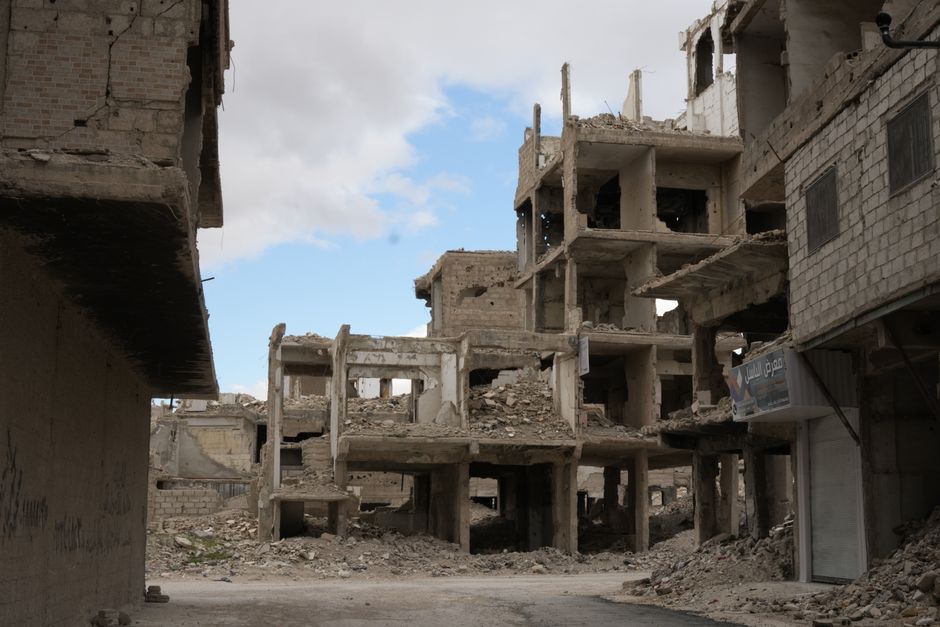
For now, the focus remains on the immediate military consequences of the TPLF’s retreat. The next few days will likely determine whether the rebel forces can establish a new defensive line or if the federal government will pursue a decisive offensive to secure the entire region. The outcome of this phase of the conflict will shape the future of Ethiopia’s federal structure and the balance of power between the central government and its regional states. Without a clear pathway to de-escalation, the risk of a wider civil war remains a tangible threat, with the potential to destabilize the region and exacerbate existing humanitarian challenges.
