This bolstering of the American military presence arrives as President Donald Trump warned that new strikes against Iran could be imminent. The addition of a third aircraft carrier underscores a rapidly evolving dynamic in the conflict, with the deployment potentially bringing three US aircraft carriers to the region by the end of October. The USS George H.W. Bush and USS George Washington carriers are already stationed in the area, alongside the USS Boxer amphibious readiness group.
With the arrival of the new vessels, the total US naval presence in the Middle East is expected to rise to more than 20,000 sailors and Marines, supported by hundreds of aircraft. This significant buildup reflects a shift toward a more complex military posture as the administration considers its next operational moves. The timing coincides with looming midterm elections in the United States, a factor that adds political weight to the strategic decisions being made regarding the duration and scope of the engagement with Iran.
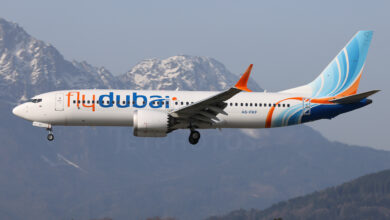
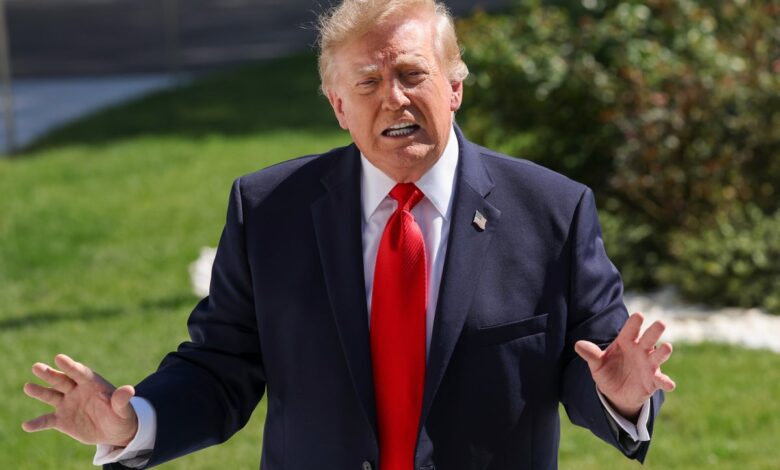
Complicating the situation, President Trump stated Thursday that early indications suggest Iran is linked to the FlyDubai co-pilot who stabbed his captain and attempted to crash an Israel-bound flight on Wednesday. When asked by reporters at the White House about the connection, Trump said, “Based on what I’m hearing, is ‘yes,’ but we’re working on it right now.” He did not provide specific details on the evidence but indicated that if the link is established, the United States would retaliate.
“Oh, they’ll be hit very hard, don’t worry,” Trump told reporters. “You just ask them. They know what happened. They’ll be hit very hard.” Israeli Prime Minister Benjamin Netanyahu, in a separate interview, claimed that investigators believe the suspect underwent “Islamist, radical indoctrination,” though he offered no further specifics on the operational details of the attack.
“The Iranian regime’s ability to fund its war machine and inflict terror on the world has been severely diminished thanks to Operation Economic Outcast,” Treasury Secretary Scott Bessent said.
Alongside the military buildup, the US Treasury Department sanctioned Iran’s automotive and rail sectors on Thursday. The action targets some of the country’s largest industrial companies, including Iran Khodro Company, SAIPA, Pars Khodro, and Niroo Motor Shiraz. The sanctions are part of a broader campaign designated as Operation Economic Outcast, which seeks to choke off Tehran’s sources of revenue and logistical capacity. Treasury officials stated that these sectors are intertwined with Islamic Revolutionary Guard Corps patronage, trade-based money laundering, and sanctions evasion.
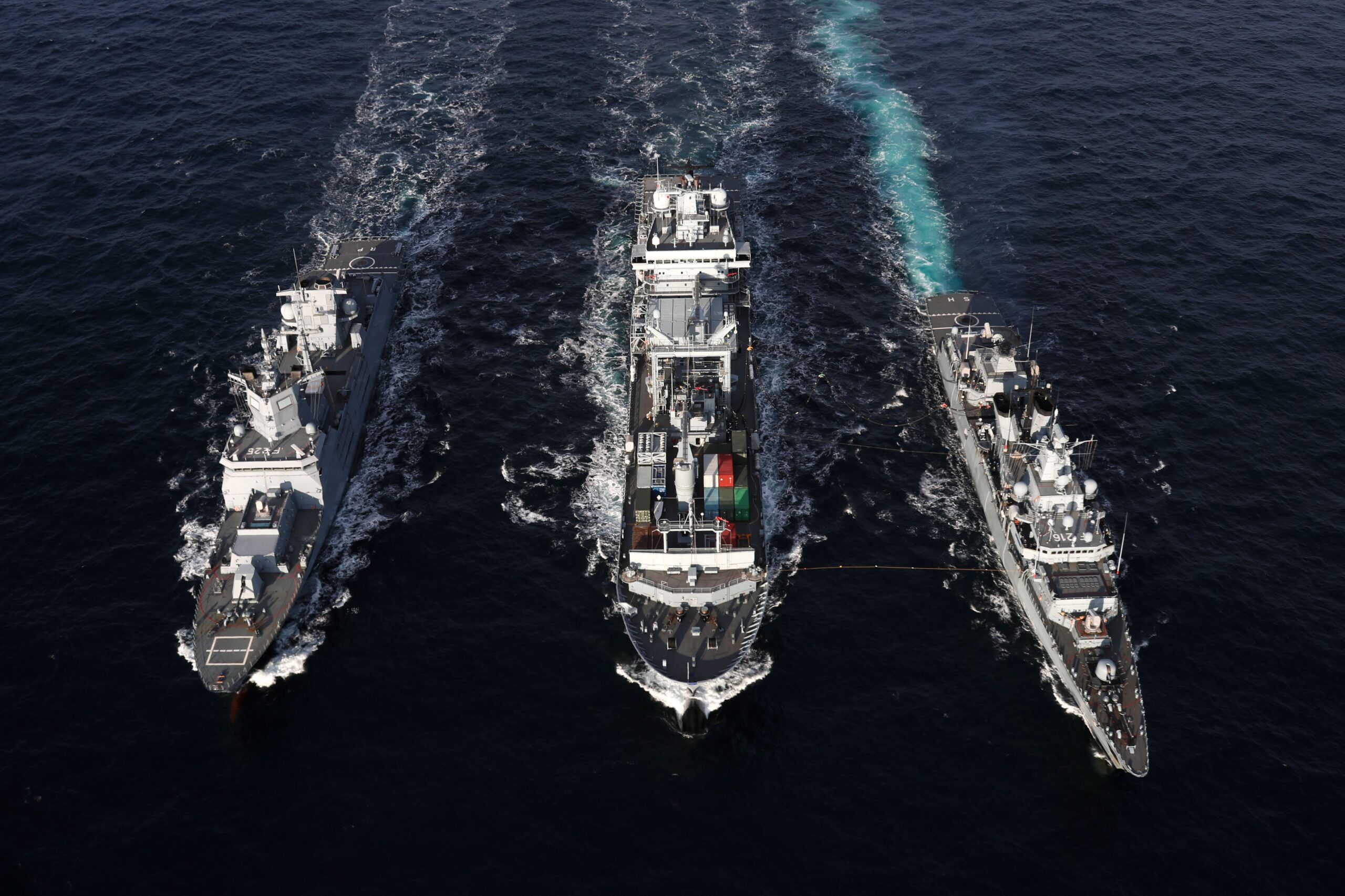
The dual-track approach of military escalation and economic pressure signals a comprehensive strategy to limit Iran’s operational capabilities. The presence of multiple carrier strike groups provides the US with significant air power and rapid response options in the region. While no immediate strikes have been launched from the newly arriving vessels, the deployment ensures that the United States maintains a substantial forward presence capable of projecting force across the Middle East.
The next phase of this operation will likely involve a reassessment of the threat landscape following the investigation into the FlyDubai incident. Military officials are expected to monitor Iranian responses to the sanctions and the expanded naval presence. The convergence of diplomatic, economic, and military actions marks a significant intensification of the US-Iran confrontation, with the potential for further escalation if the perceived links between Tehran and the aviation security breach are confirmed by intelligence agencies.