
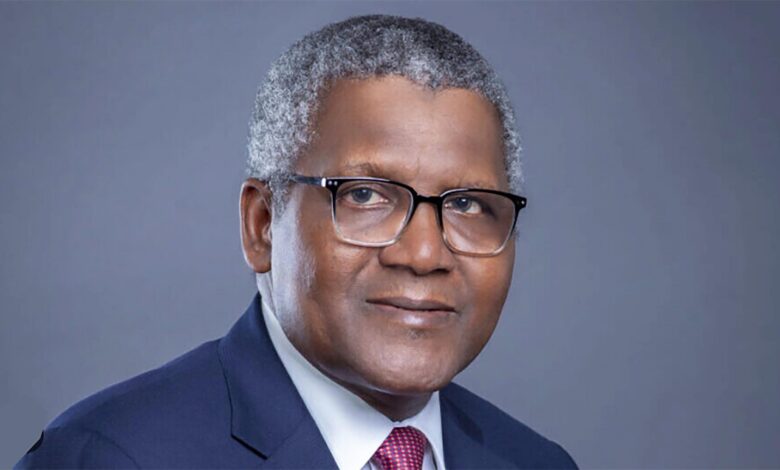
The scale of the offering represents a landmark moment for African capital markets. The refinery, valued at approximately $47 billion based on the offer price of $0.39 (₦525) per share, is one of the continent’s most valuable companies. The IPO attracted applications from investors in 119 countries, including all 54 African nations, marking the first time an offering of this magnitude has achieved such broad continental participation. This breadth of interest underscores the strategic intent of Aliko Dangote, Africa’s richest man, to widen ownership of the asset beyond Nigeria and demonstrate that African markets can mobilize substantial funds for large-scale industrial projects independently of traditional hubs like London or New York.
Dangote extended the closing date for applications by two weeks to October 27, allowing time for investors across Africa to complete account-opening, identity-verification, and regulatory requirements. The offer, launched on September 14 and dubbed “The People’s IPO,” was designed with a low barrier to entry to encourage mass participation. With a minimum subscription of just 10 shares, costing approximately $3.93 (₦5,250), the company aimed to attract up to 10 million retail investors. More than two million investors submitted applications through digital channels, according to sources cited by Reuters.
Despite the overwhelming demand, the transaction faces logistical and allocative challenges. The refinery is expected to exercise a 30% overallotment option, which could increase the total amount raised from $1.6 billion to approximately $2.1 billion. However, sources indicate that demand could still exceed the available shares even if this option is fully exercised. In response to the surplus demand, Dangote has indicated he may consider selling part of his personal stake to investors who fail to secure sufficient allocations in the primary offering.

The structure of the IPO involves complex international mechanisms to facilitate cross-border investment. Nominee structures involving Standard Bank Group were established for investors in Egypt and Ethiopia, while global depository receipts were made available through stock exchanges in Kenya and Botswana. These arrangements are critical for complying with local regulatory frameworks while allowing global access to the asset.
Analysts and market observers are watching the deal closely as a test of the resilience and depth of African financial infrastructure. If successful, the IPO would validate the capacity of regional markets to support mega-cap industrial listings. The refinery is also set to integrate artificial intelligence into its operations, with the company projecting over $60 million in annual gross operational benefits from this deployment. This technological integration aims to enhance efficiency and productivity, potentially improving the long-term return on investment for shareholders.
The distinction between the reported figures is important for understanding the market dynamics. Bloomberg’s report focused on “fully funded commitments” from domestic and retail investors, providing a conservative baseline of secured capital. In contrast, the Reuters figure of $4.78 billion represents the total value of orders, including those that may not result in full allocation due to the oversubscription. This discrepancy highlights the intense competitive environment for the shares, where the final allocation basis will be determined by the issuing houses in consultation with Nigeria’s Securities and Exchange Commission (SEC).
Dangote’s strategy appears to be shifting away from the traditional Wall Street playbook, which often relies on a limited pool of institutional anchor investors, toward a model that prioritizes broad-based retail participation. By targeting millions of individual investors, the company is not only raising capital but also creating a wide base of stakeholders who have a direct financial interest in the refinery’s success. This approach could have implications for corporate governance and public sentiment regarding state-owned or quasi-state industrial assets in the region.
The next critical step in the process is the collation of applications by the issuing houses. They are expected to submit a proposed basis of allotment to the Nigerian SEC, which will outline how the shares are distributed among the various categories of investors. The final subscription figures have not yet been published, and the official outcome of the overallotment option remains pending. Investors across the 119 participating nations will be waiting for these details to determine their final holdings in what is being touted as a cornerstone of Africa’s industrial future.