
Warsh’s remarks underscore a shift in how the Fed interprets international trade data. By viewing South Korea’s tech exports as a leading indicator, the central bank is acknowledging the interconnectedness of modern global commerce. If South Korea’s industrial output and export volumes face headwinds, the implications ripple through the broader supply chain, potentially affecting production costs and availability for economies worldwide, including the United States. This perspective moves beyond traditional domestic indicators like inflation or employment to incorporate real-time international commercial data into the Fed’s assessment of global economic health.
Alongside this international focus, Warsh confirmed that an internal task force is working on recommendations regarding the Federal Reserve’s balance sheet. The findings of this group are scheduled to be delivered early next year. The composition and size of the central bank’s balance sheet are critical tools in modern monetary policy, influencing long-term interest rates and the broader liquidity environment. While the specific details of the task force’s potential recommendations have not been released, the announcement itself signals that the Fed is actively reviewing the structural aspects of its balance sheet, distinct from its short-term interest rate decisions.
The timing of these developments is notable. Holding rates steady while simultaneously planning a review of the balance sheet suggests a dual-track approach to monetary management. The immediate rate decision addresses short-term borrowing costs and consumer spending, whereas the balance sheet review looks toward longer-term structural adjustments. For markets and policymakers, this distinction is crucial. It implies that even if short-term rates remain unchanged, the broader financial environment could shift once the task force’s recommendations are implemented. Investors and economic analysts will likely scrutinize the early-year release for signals on whether the Fed intends to expand or contract its holdings of government securities and other assets.
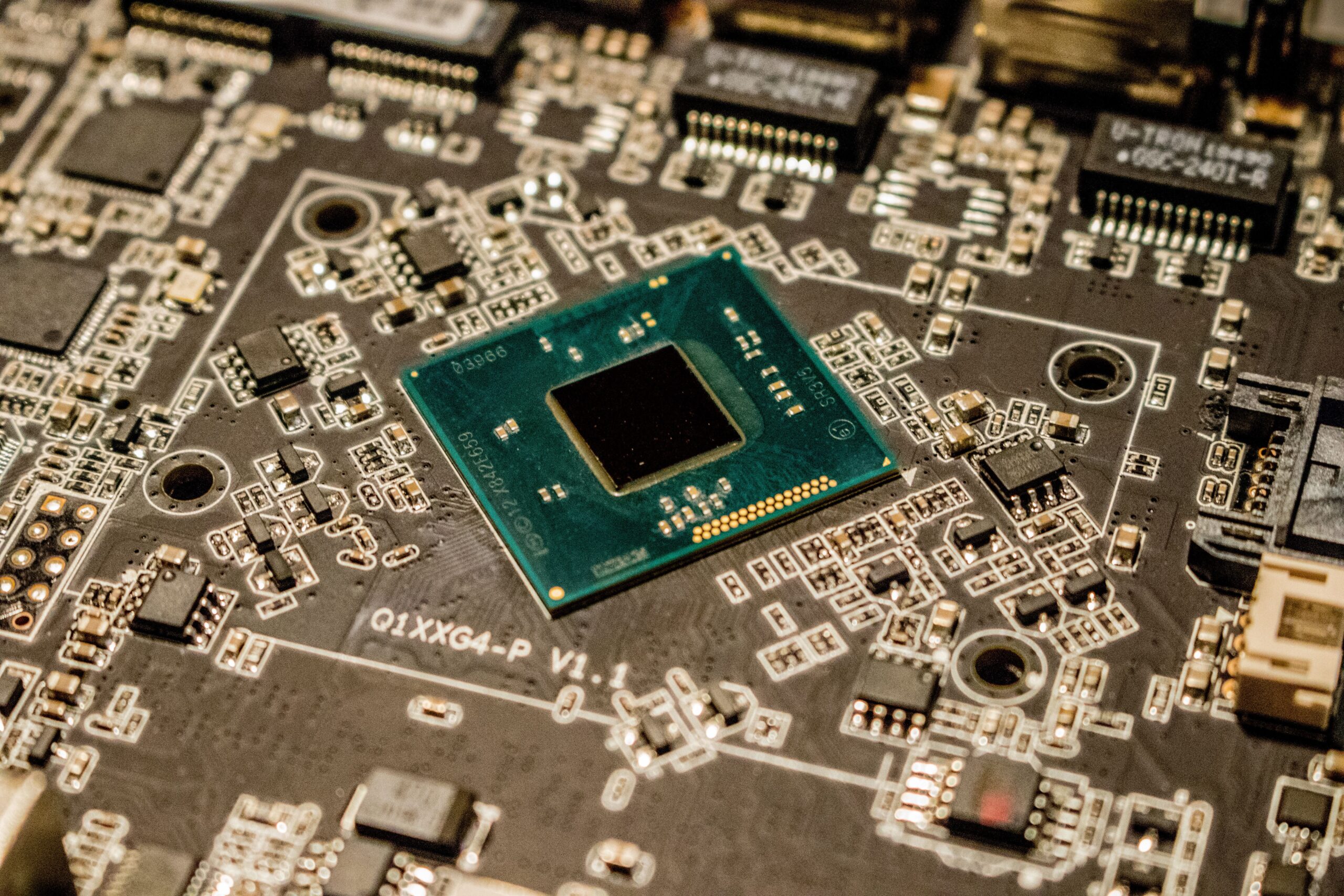
Warsh’s specific attention to South Korea adds a geopolitical and trade dimension to the Fed’s domestic policy considerations. As a major exporter of semiconductors and advanced electronics, South Korea serves as a bellwether for global tech demand. A slowdown in this sector could indicate broader weakness in capital investment and technological expansion globally. Conversely, strong performance in Korean tech exports could signal robust global demand for high-value goods. By treating these exports as “feedstocks,” the Fed is effectively using international trade flows as a proxy for global industrial activity, a method that reflects the increasingly globalized nature of modern economies.

The interplay between holding rates and monitoring such specific international indicators suggests a Fed that is highly attentive to external shocks. In an era where supply chain disruptions can quickly translate into inflationary pressures or production bottlenecks, the central bank’s reliance on real-time international data becomes a key component of its risk assessment. The decision to hold rates, therefore, is not just a reaction to domestic inflation or growth metrics, but also a response to the clarity—or lack thereof—provided by global trade indicators.
As the year progresses, the focus will shift to the output of the balance sheet task force. Until those recommendations are released, the current rate hold remains the primary tool guiding borrowing costs. However, the underlying message from Warsh is clear: the Fed is watching the global supply chain closely, with South Korea serving as a critical data point in its broader assessment of economic stability. For international traders and investors, this means that developments in Korean manufacturing and export volumes will continue to be viewed through the lens of their potential impact on U.S. monetary policy and global economic sentiment.