
The diplomatic groundwork for this technical cooperation was laid in Washington in November 2025, following high-level talks between US President Donald Trump and Hungarian President Viktor Orban. The two governments signed an MoU on nuclear energy, which the US State Department described as signaling an intent to begin negotiations for civil nuclear cooperation, specifically regarding Small Modular Reactors (SMRs) and spent fuel storage. The State Department explicitly noted that the United States and Hungary are collaborating to position Budapest as a hub for the emerging Central European SMR market, aiming to deploy “market-leading US nuclear innovation” to jumpstart a new transatlantic industry. According to the agreement, Hungary has signaled an intention to support the construction of up to ten SMRs, a project with a potential value of up to USD 20 billion.
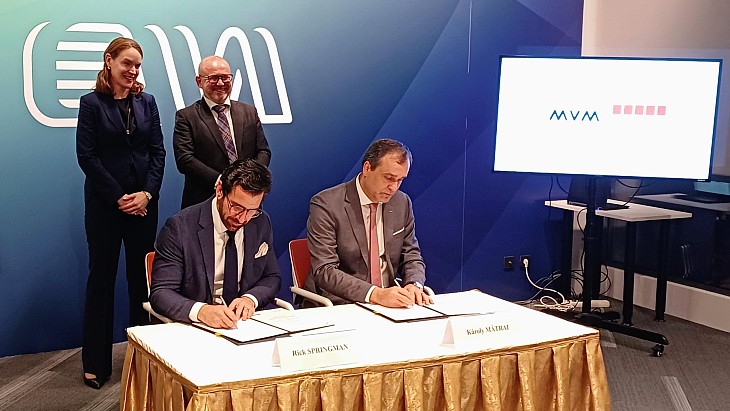
At the heart of this new pathway is Holtec’s SMR-300. The technology, signed for exploration by Holtec’s Rick Springman, President of the Global Clean Energy Opportunities Division, is based on proven pressurised water reactor (PWR) technology. It utilizes commercially available fuel and offers flexible cooling options, designed to provide 300 MW of baseload energy production. Holtec describes the unit as a “safe and versatile” solution intended to enhance Hungary’s energy independence by providing domestic, carbon-free baseload power. The company positions this capacity as a growth engine for energy-intensive industries and the future economy, suggesting that the new reactors would serve not just household demand but also the heavy industrial sectors that drive Hungary’s export capabilities.
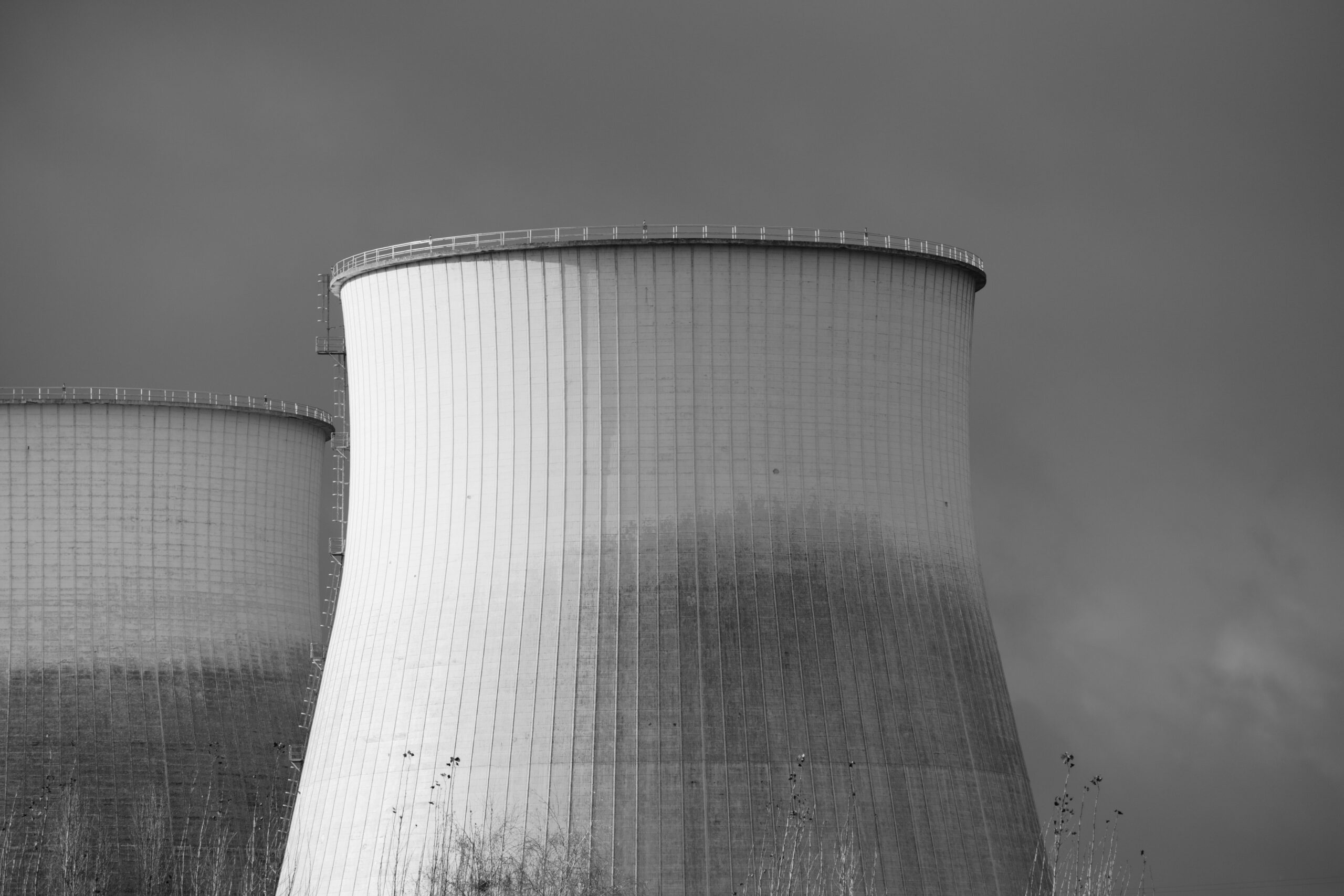
This move toward US technology occurs against the backdrop of a nuclear landscape currently dominated by Russian engineering. Approximately half of Hungary’s electricity is currently generated at the Paks nuclear power plant, located 100 kilometres south of Budapest. Paks comprises four VVER-440 pressurised water reactors, which started up between 1982 and 1987. The aging fleet is set to be expanded through the Paks II project, an initiative governed by an inter-governmental agreement signed in early 2014. Under this deal, Russian enterprises and their international subcontractors are supplying two VVER-1200 reactors. The project is heavily leveraged, featuring a Russian state loan of up to EUR 10.0 billion (approximately USD 10.5 billion) to finance 80% of the construction costs. The timeline for this Russian-supplied expansion is imminent, with the first concrete for the first new unit expected to be poured in February 2026.
The juxtaposition of these two projects—Paks II, a large-scale Russian PWR expansion, and the proposed Holtec SMRs—highlights the tension in Hungary’s current energy strategy. On one hand, the state is committed to the Paks II expansion, which is deeply integrated with Russian financing and supply chains. On the other hand, the MoU with Holtec and the broader US-Hungary nuclear agreement suggest a strategic hedge. By exploring US-made SMRs, Hungary is attempting to mitigate the geopolitical risks associated with single-source nuclear technology and fuel supply. The State Department’s language regarding Budapest becoming a “hub” suggests that this is not merely a domestic procurement but a regional market positioning strategy, potentially influencing energy security across Central Europe.
Parallel to the nuclear developments, MVM is also addressing natural gas vulnerabilities. The preparation to phase out Russian gas if needed indicates a broader policy of supply diversification. While the specific technical details of this gas phase-out protocol are not detailed in the current agreements, the simultaneous pursuit of US nuclear technology suggests a coordinated effort to reduce dependency on Russian energy carriers across both gas and nuclear sectors. This dual approach is critical for a country where energy-intensive industries, such as automotive manufacturing and chemicals, rely on stable, predictable baseload power and fuel costs.
Hungary is not acting alone in the SMR space. In August, Hunatom, the Hungarian nuclear energy development firm, signed a letter of intent with Poland’s Synthos Green Energy. This agreement establishes a pre-framework for joint activities related to the project development of up to ten GE Vernova Hitachi BWRX-300 small modular reactors. The existence of this parallel track with a different US-Japanese technology provider (GE Vernova Hitachi) suggests that Hungary is keeping its options open, engaging with multiple potential suppliers of advanced nuclear technology. This competitive environment may drive down costs and accelerate deployment timelines, although it also complicates the regulatory and grid integration planning required for such a rapid expansion of nuclear capacity.
The technical implications of adding SMR capacity are significant. Unlike the large VVER-1200 units at Paks II, the SMR-300 and BWRX-300 units are designed for modular construction and potentially shorter build times. Their 300 MW output is smaller than the 1,200 MW VVER-1200 units, but a fleet of ten units would add 3,000 MW of new capacity, significantly increasing the nuclear share of the generation mix beyond the current 50%. This increase in domestic baseload capacity could reduce the need for imported electricity during peak demand periods and provide a stable foundation for integrating variable renewable energy sources, should Hungary choose to expand in that sector.

However, the transition is not without constraints. The reliance on Russian technology for the current generation and the Paks II expansion means that the fuel supply chain remains bifurcated. While the new US SMRs would use commercially available fuel, potentially sourced from Western suppliers, the existing Paks units and the new Paks II units will continue to require Russian VVER fuel. This creates a complex logistical and security landscape where the grid must manage both Russian and US technological ecosystems. Furthermore, the capital intensity of the SMR projects, with a potential value of USD 20 billion, requires robust financing mechanisms. The US-Hungary MoU signals state-level support, but the commercial viability and long-term operational costs of these new reactors remain to be fully realized.
For MVM, the immediate task is to translate the MoU into concrete project development. The agreement with Holtec creates a pathway, but it is a memorandum, not a construction contract. The next steps will involve detailed feasibility studies, regulatory approvals from the Hungarian Atomic Energy Authority, and grid connection planning. The timeline for these SMRs is not yet defined, unlike the Paks II project, where the first concrete pour is scheduled for February 2026. This difference in maturity means that the Russian-supplied capacity will come online first, further entrenching the current supply chain before the US-backed SMRs begin to alter the balance of power in the Hungarian energy market.
As MVM prepares to manage the potential phase-out of Russian gas, the nuclear sector offers a longer-term solution to energy independence. The signing of the MoU by Károly Mátrai and Rick Springman represents a diplomatic and industrial alignment that goes beyond simple procurement. It is a statement of intent to integrate Hungary more deeply into the transatlantic energy architecture. Whether this results in the promised ten SMRs, and whether Budapest truly becomes a Central European hub, will depend on the success of the upcoming negotiations outlined in the US State Department’s statement. For now, the grid remains a hybrid system, powered by aging Russian VVER-440s, preparing for new Russian VVER-1200s, while looking toward a future of American-made small modular reactors that promise to reshape the country’s energy sovereignty.



One Comment