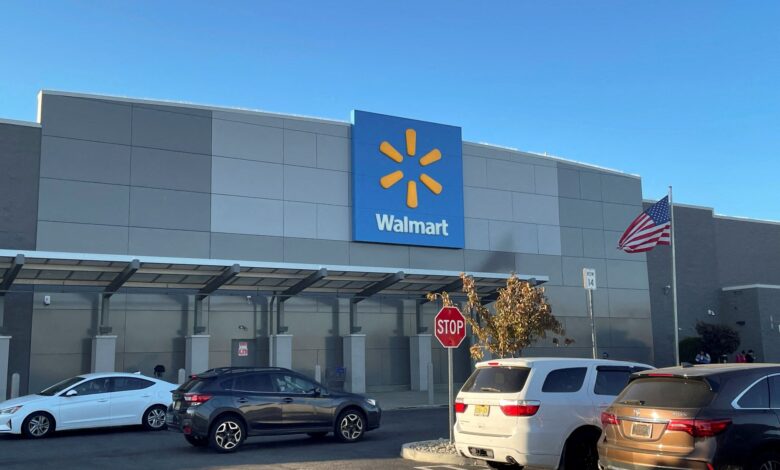
The primary driver of the slowdown was identified as soaring fuel prices, which crossed the psychological threshold of $4 per gallon. The average price for a gallon of petrol reached $4.10 on Thursday, up from $2.98 when US and Israel tensions with Iran began escalating. CFO John David Rainey noted that consumers are making significant trade-offs in their spending habits due to these energy costs. Walmart projected $2 billion in incremental fuel-related costs above its original guidance. Additionally, the company’s pharmacy business saw sales drops due to federal negotiations that lowered drug prices, a factor Rainey described as “transitory” but one expected to persist into next year. Excluding the health and wellness segment, US comparable sales rose 3.4%.
Market reaction to the earnings report was immediate and severe. Walmart shares fell as much as 10% in early trading, wiping out the company’s entire stock gain for 2026. The stock finished the day down 9%, its largest intraday drop since July 2022. Investors cited the rare miss in comparable sales as a bellwether for a weakening US consumer, particularly given Walmart’s status as a destination for both low-income shoppers seeking value and higher-income consumers cutting costs. The decline coincided with other negative economic signals, including a surprise 0.6% drop in July retail sales and an unexpected loss of 23,000 nonfarm payrolls in the same month.
Despite the quarterly miss, Walmart raised its full-year guidance for sales and adjusted operating income. The company announced price cuts on 11,000 items, funded partly by $2.9 billion in tariff refunds it has begun receiving. Management stated it is “very intentional” with price investments, citing beef as an example, to maintain market share in a competitive environment. Overall quarterly revenue rose 3.4%, the slowest pace since the first quarter of fiscal 2023, while e-commerce sales continued to grow.
The data suggests a complex economic landscape where inflation remains sticky, with consumer prices up 3.4% year-over-year. While transaction volumes have remained stable, the amount spent per trip has decreased compared to the previous year. Walmart’s performance now serves as a critical indicator of consumer sentiment, which also declined in August according to the University of Michigan index. The combination of tepid retail earnings, weak jobs data, and persistent inflation complicates the Federal Reserve’s interest rate outlook, with investors still pricing in at least one rate hike by year-end despite the slowing consumer economy.

The next key data point to watch will be further retail sales reports and upcoming Federal Reserve policy meetings, as markets assess whether the current consumer slowdown signals a broader recession or a temporary adjustment to higher energy and drug prices. Walmart’s ability to maintain its price leadership against tariff refunds and fuel spikes will be central to its future performance in a tightening economic environment.