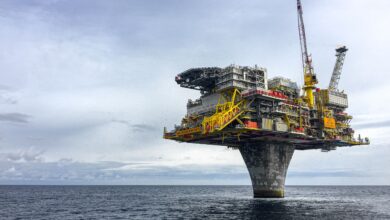
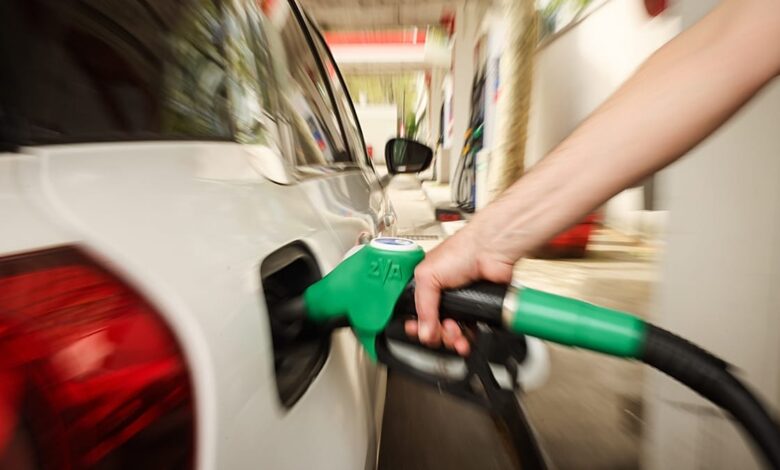
The social unrest against high energy costs occurs alongside significant fiscal tightening. The French government has outlined a plan for savings amounting to €54 billion. This substantial reduction in spending or increase in revenue is intended to address budgetary constraints, but it is unfolding in a climate of growing public discontent. The timing places the government in a difficult position, balancing the need for fiscal discipline with the immediate economic pressures facing consumers and businesses. As the election approaches, the interplay between these austerity measures and the visible strain on sectors dependent on fuel is expected to shape voter sentiment.
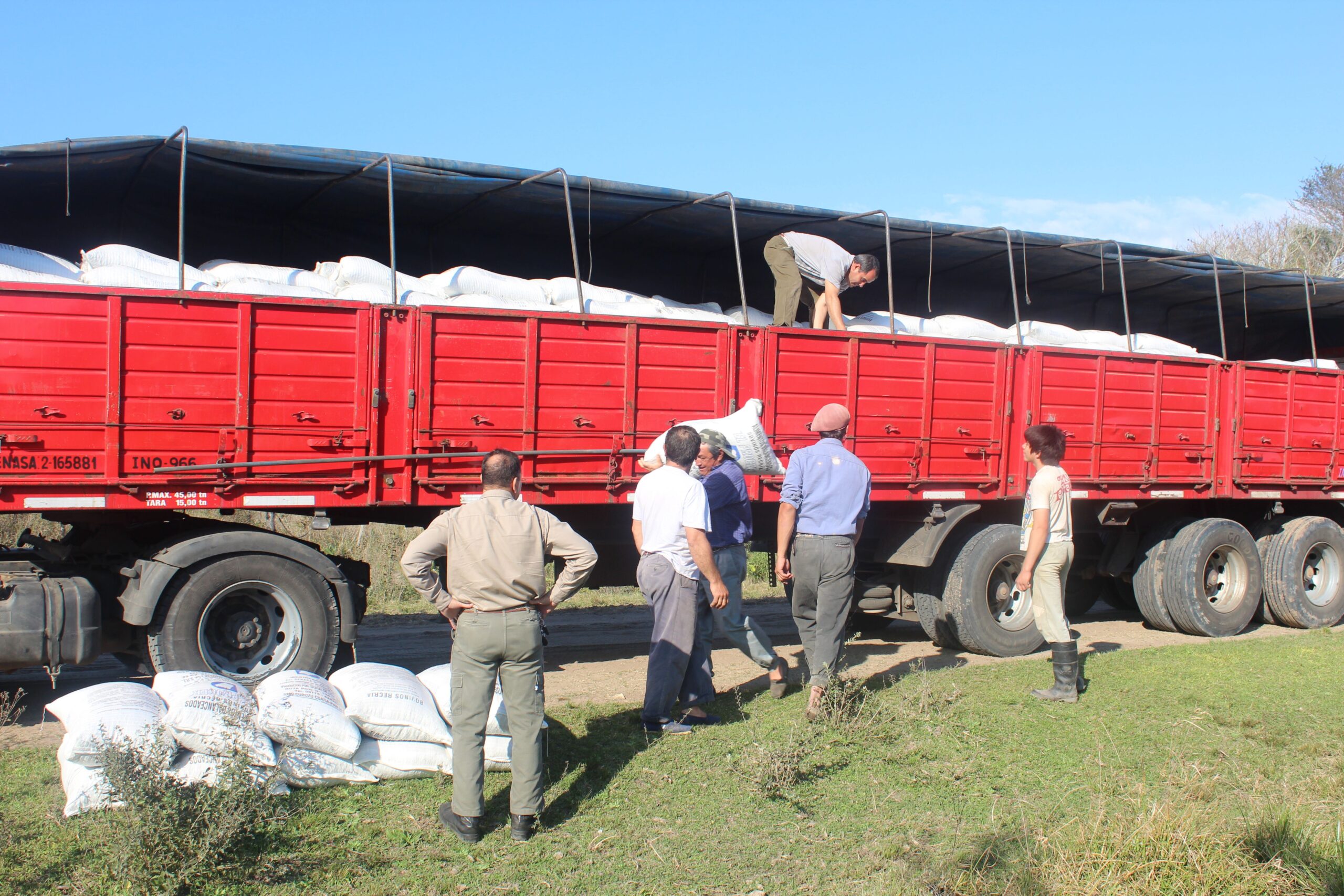
The protests represent a tangible response to what many perceive as an unmanageable rise in operational and living costs. For fishermen, the blockades of port entrances and oil depots directly disrupt supply chains and highlight the vulnerability of coastal industries to energy price volatility. Similarly, farmers’ demonstrations underscore the sector’s exposure to input costs, where fuel is a critical component of production and logistics. The convergence of these two distinct but economically linked groups in opposition to the current status quo suggests a broadening of the discontent beyond traditional urban political bases.
The €54 billion savings drive adds a layer of complexity to the political narrative. While the specific mechanisms of the savings plan—whether through spending cuts, tax adjustments, or other fiscal tools—are part of a broader policy response, the announcement has landed in a sensitive environment. The government faces the challenge of implementing necessary fiscal corrections while managing the social fallout. The proximity of the presidential elections means that any perception of inadequate support for struggling sectors or excessive fiscal burden could have significant electoral consequences. Policy decisions made in the coming months will be closely watched for their impact on both the budget deficit and social stability.
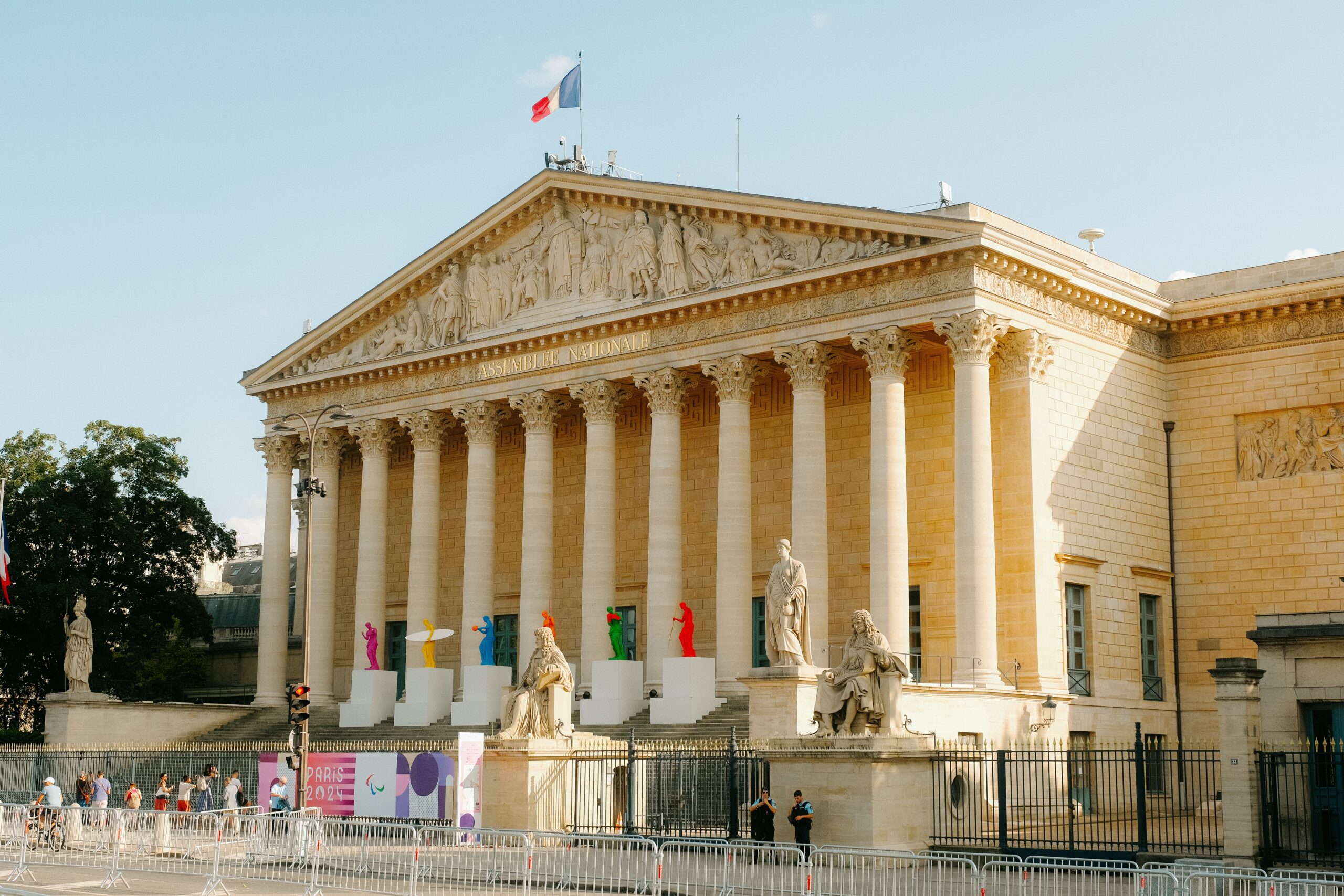
The situation reflects a wider European trend where energy prices and inflation have become primary drivers of political mobilization. In France, however, the crisis is compounded by the specific timing of the national elections. With seven months remaining, political parties are likely to intensify their debates on economic management, energy policy, and social support. The effectiveness of the government’s response to the protests and the clarity of its fiscal strategy will be critical in determining the trajectory of the campaign. The outcome of the upcoming elections could hinge on how voters assess the balance between necessary economic reforms and the protection of livelihoods in the face of high fuel prices.
No new major data releases or policy meetings were specified in the immediate term beyond the ongoing impact of the savings plan and the electoral calendar. The next significant milestone will be the continuation of the pre-electoral period, where economic indicators and government responses to the protests will remain central to public debate and media coverage. The stability of the fuel supply and the scale of the protests will be key indicators of the crisis’s evolution in the lead-up to the vote.