

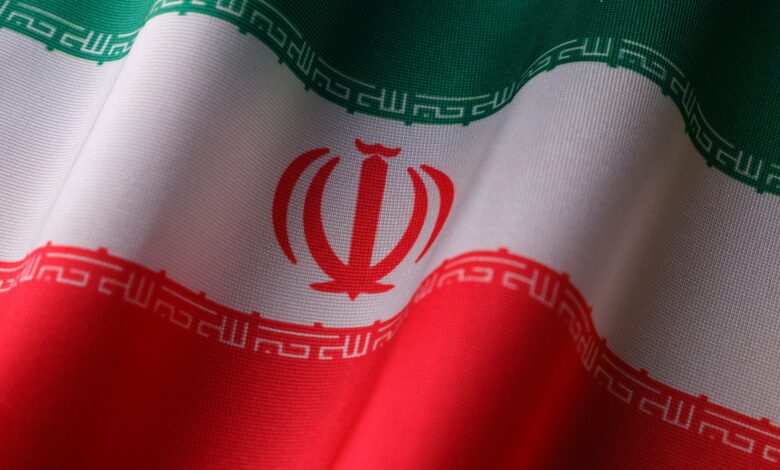
The president indicated that direct channels of communication between the two nations remain limited, with diplomatic messages now being relayed through third-party intermediaries. Pezeshkian specifically named Qatar and Pakistan as the countries currently facilitating the transmission of Iran’s messages to the US. This reliance on intermediaries suggests a continued, though indirect, attempt to maintain a diplomatic line of contact despite the expressed lack of trust in formal negotiation processes.
The statement from the Iranian president arrives at a time of heightened geopolitical tensions in the Middle East. By publicly declaring a lack of trust in talks with Washington, Tehran is signaling to both domestic and international audiences that the status quo of diplomatic engagement is insufficient. The use of regional powers like Qatar and Pakistan as conduits reflects a strategy to keep diplomatic options open while avoiding direct engagement that might be perceived as a concession or a vulnerability.

Qatar has historically played a mediating role in regional conflicts, often leveraging its relationships with both the US and Iran to facilitate dialogue. Pakistan’s involvement as a relayer of messages indicates a broader network of intermediaries that Tehran is utilizing. This multi-layered approach allows Iran to communicate its positions without committing to a formal negotiation framework that might be viewed as an admission of weakness or a need for US cooperation.
The distinction between trusting a process and maintaining communication is a key diplomatic nuance here. Pezeshkian’s comments do not necessarily imply a complete cessation of all diplomatic contact, but rather a rejection of the premise that direct talks with the US are a viable or trustworthy path to resolution. This stance complicates efforts by other international actors to broker agreements or de-escalate tensions, as it introduces a layer of skepticism that must be overcome before substantive negotiations can resume.
The international community continues to monitor these developments closely, as the state of US-Iran relations has direct implications for regional stability, energy markets, and broader security dynamics in the Middle East. The reliance on intermediaries may limit the speed and effectiveness of diplomatic responses to emerging crises, potentially leading to misunderstandings or missed opportunities for de-escalation.
As tensions persist, the next expected development will be whether the US acknowledges these mediated messages and how it responds to Iran’s stated lack of trust. The effectiveness of the Qatari and Pakistani intermediary roles will be tested in the coming weeks, as both nations attempt to navigate the delicate balance between their respective alliances and their desire to maintain regional stability. The outcome of these indirect communications will likely shape the trajectory of future diplomatic efforts in the region.