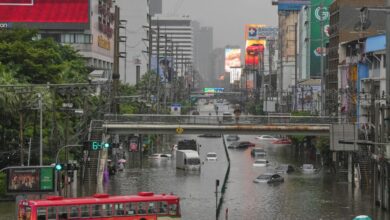

The immediate impact of the weather event has been significant disruption to connectivity and access. With major road networks and pedestrian infrastructure underwater, hundreds of villages were reported to be cut off from the outside world. This isolation complicates relief efforts, limiting the ability of emergency services to reach stranded populations and residents in need of medical attention or evacuation.
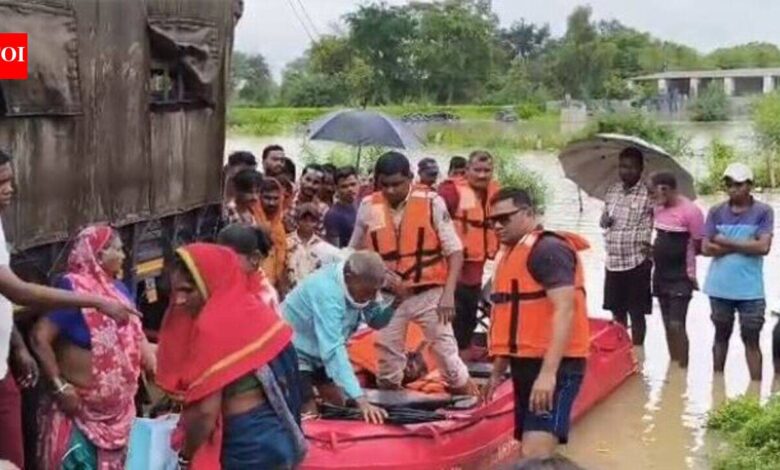
Despite the challenging conditions, rescue operations have been active. Dozens of people were successfully rescued from flooded areas during the incident. However, the search for the missing child continues, highlighting the personal toll of the flooding on local communities. The five confirmed fatalities were linked directly to rain-related incidents, underscoring the immediate danger posed by the sudden onset of waterlogging and rising water levels.
The scale of the infrastructure damage is substantial. Key transportation links, including bridges and highways, were submerged as river levels surged. In regions dependent on these routes for daily commerce, agriculture, and emergency access, the submersion of such infrastructure represents a critical failure point during extreme weather events. The flooding has effectively severed the physical connection between remote villages and urban centers, a vulnerability often exacerbated by the intensity of monsoon-season rains in the region.
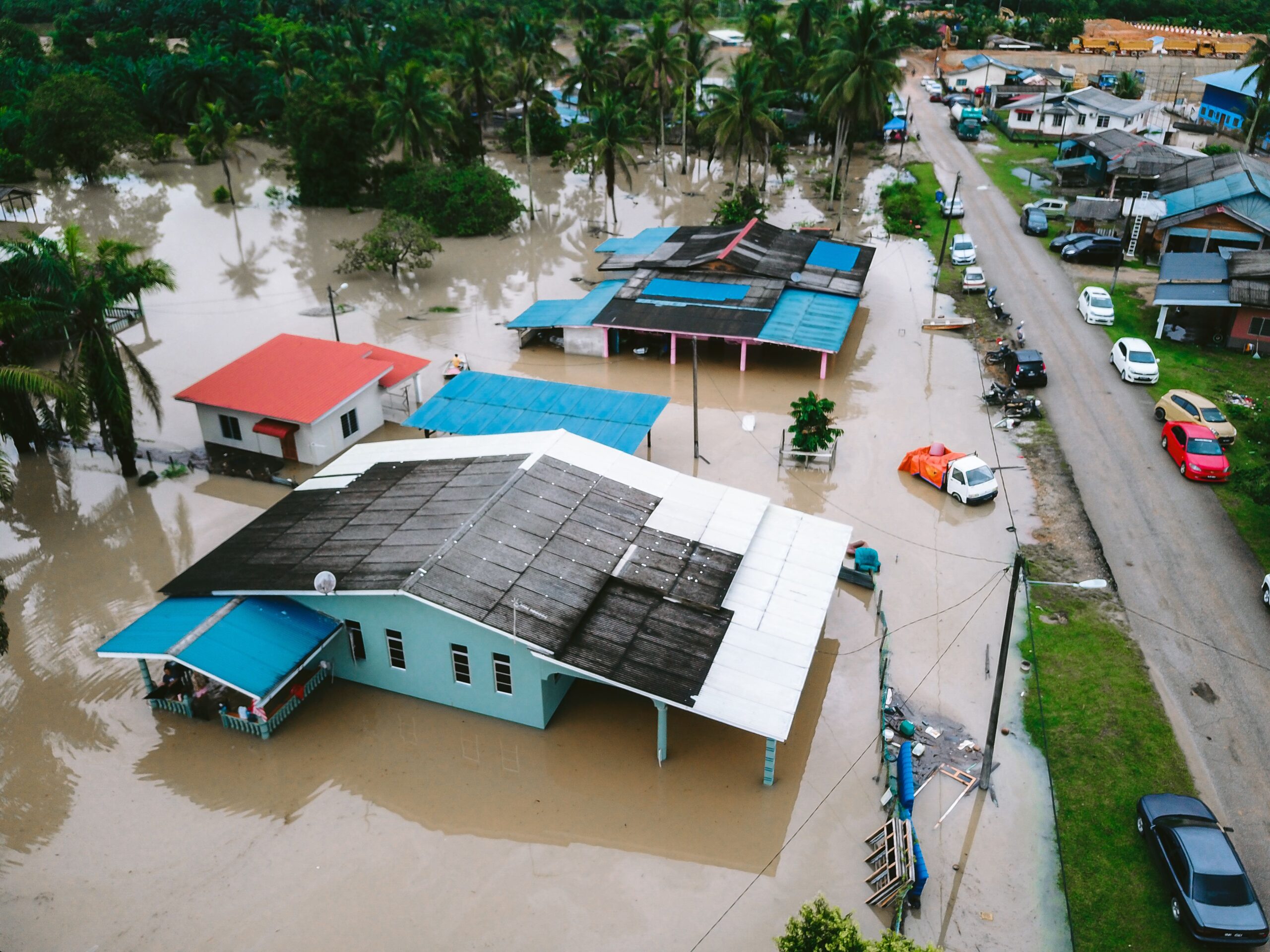
While this specific event is an acute weather incident, it reflects the broader challenges faced by regions in India during the monsoon season. The rapid swelling of rivers and the resulting inundation of low-lying areas and infrastructure demonstrate the destructive potential of heavy precipitation events. The incident serves as a stark reminder of the vulnerability of rural infrastructure to flood-like conditions, where the absence of robust drainage and flood mitigation measures can lead to rapid isolation of communities.
Impact on Connectivity and Safety
The submersion of bridges and highways has not only stranded residents but also hindered the movement of emergency vehicles and supply chains. When hundreds of villages are cut off, the delivery of food, water, and medical supplies becomes logistically complex and time-consuming. This delay can have serious consequences for vulnerable populations, including the elderly, children, and those with pre-existing health conditions who may require immediate care.
The rescue of dozens of individuals highlights the ongoing efforts by local authorities and emergency services to mitigate the human impact of the floods. However, the presence of a missing child and confirmed fatalities indicates that the danger was immediate and lethal. Rain-related incidents in such contexts often involve drowning, being swept away by fast-moving water, or electrocution from damaged power lines, though specific causes for each fatality were not detailed in the initial reports.
As the water levels recede, the focus will shift from immediate rescue to assessment of damage and restoration of infrastructure. The submersion of critical transport links will require significant engineering resources to repair and restore functionality. In the interim, alternative routes and temporary bridges may need to be established to reconnect the isolated villages.
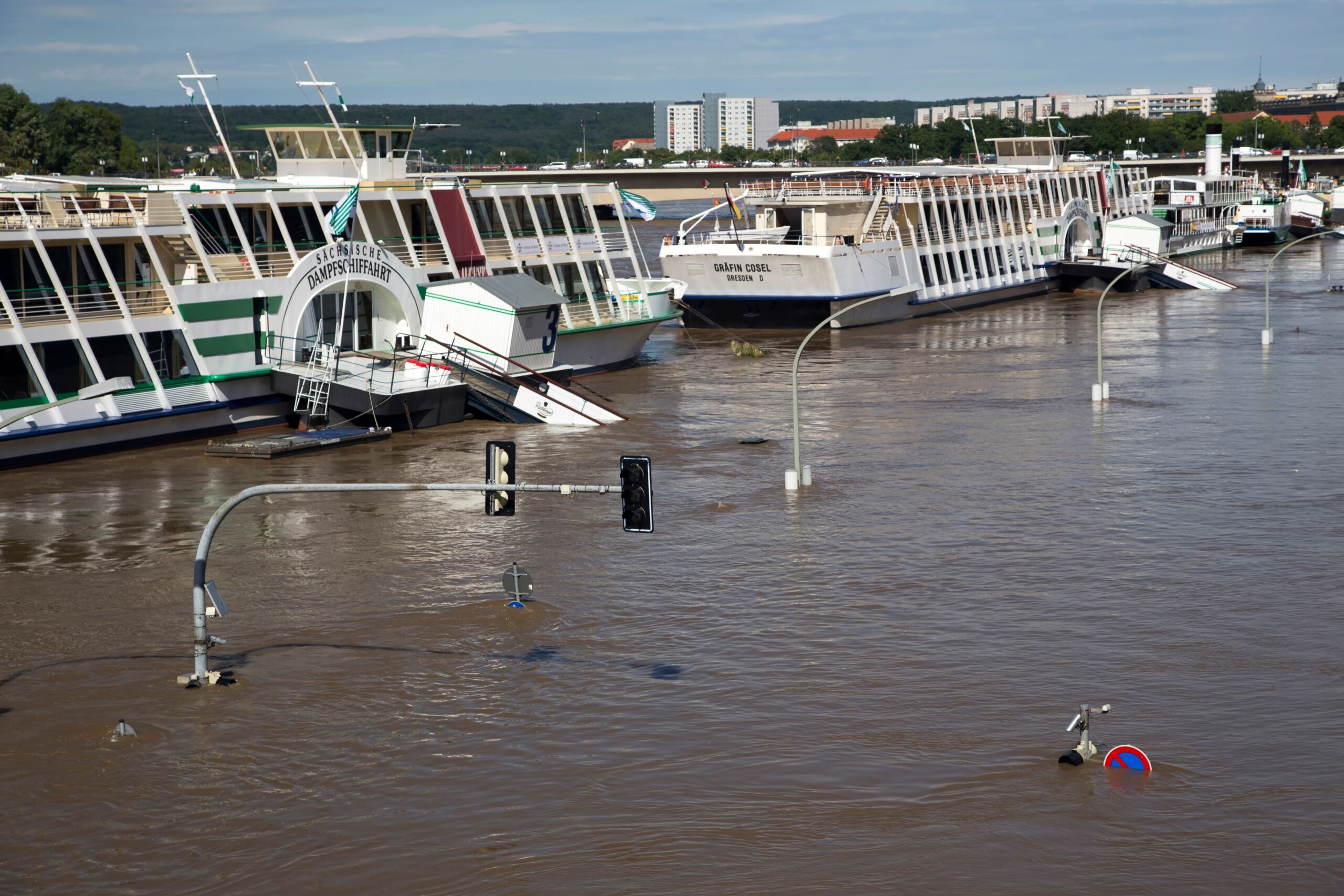
This event underscores the critical importance of resilient infrastructure in flood-prone areas. As climate patterns continue to influence the intensity and frequency of heavy rainfall events, the capacity of local infrastructure to withstand or adapt to such conditions becomes a matter of public safety and economic stability. The isolation of hundreds of villages is not just a temporary inconvenience but a serious disruption to livelihoods and social cohesion.
Authorities are likely to continue monitoring weather conditions and river levels in the coming days to prevent further incidents. The search for the missing boy remains a priority, and efforts to assist the stranded populations will continue until all villages are safely reconnected. The incident serves as a sobering reminder of the destructive power of natural weather events and the urgent need for preparedness and response mechanisms in vulnerable communities.
Further details on the specific locations of the fatalities and the extent of agricultural damage are expected to emerge as rescue and assessment operations progress. The incident highlights the ongoing struggle of communities in Chhattisgarh to manage the risks associated with extreme weather, where the intersection of heavy rainfall and inadequate infrastructure can lead to rapid and severe consequences.