
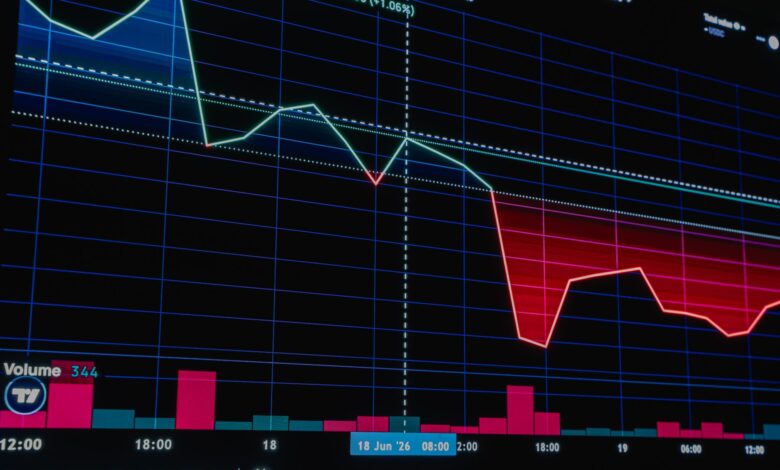
At the center of the recent volatility is Intel’s assessment of the PC market. While specific financial figures from Intel’s guidance were not detailed in the immediate reports, the core of the message—a weak outlook for PC demand—sent ripples through the broader technology sector. For investors, the PC market has traditionally served as a leading indicator for broader hardware consumption. When the largest central processing unit (CPU) manufacturer signals that demand for these devices is softening, the immediate inference is that the entire ecosystem of computer hardware, from memory to graphics processing units (GPUs), faces headwinds.
AMD’s stock decline in the face of Intel’s warning highlights the structural interdependence within the chip industry. Although AMD and Intel are fierce rivals competing for market share in both data centers and consumer devices, their stock prices often move in correlation because they serve as proxies for the same underlying economic trends. When one major player signals a downturn in a key market segment, analysts and traders often reassess the outlook for all companies exposed to that segment. In this case, the “weak PC outlook” acted as a contagion factor, eroding confidence in the near-term growth prospects for AMD as well.
Geopolitically and economically, this development is part of a larger narrative concerning the normalization of the tech cycle. Following years of extraordinary demand driven by remote work and learning, the industry has been grappling with the effects of inflation and high interest rates. These macroeconomic pressures have reduced consumer discretionary spending on electronics, leading manufacturers to adjust their production forecasts. The reaction of the market to Intel’s comments suggests that investors are no longer willing to assume that tech growth is immune to broader economic slowdowns. The sector is transitioning from a period of supply-constrained growth to one where demand-side constraints are the primary limiting factor.
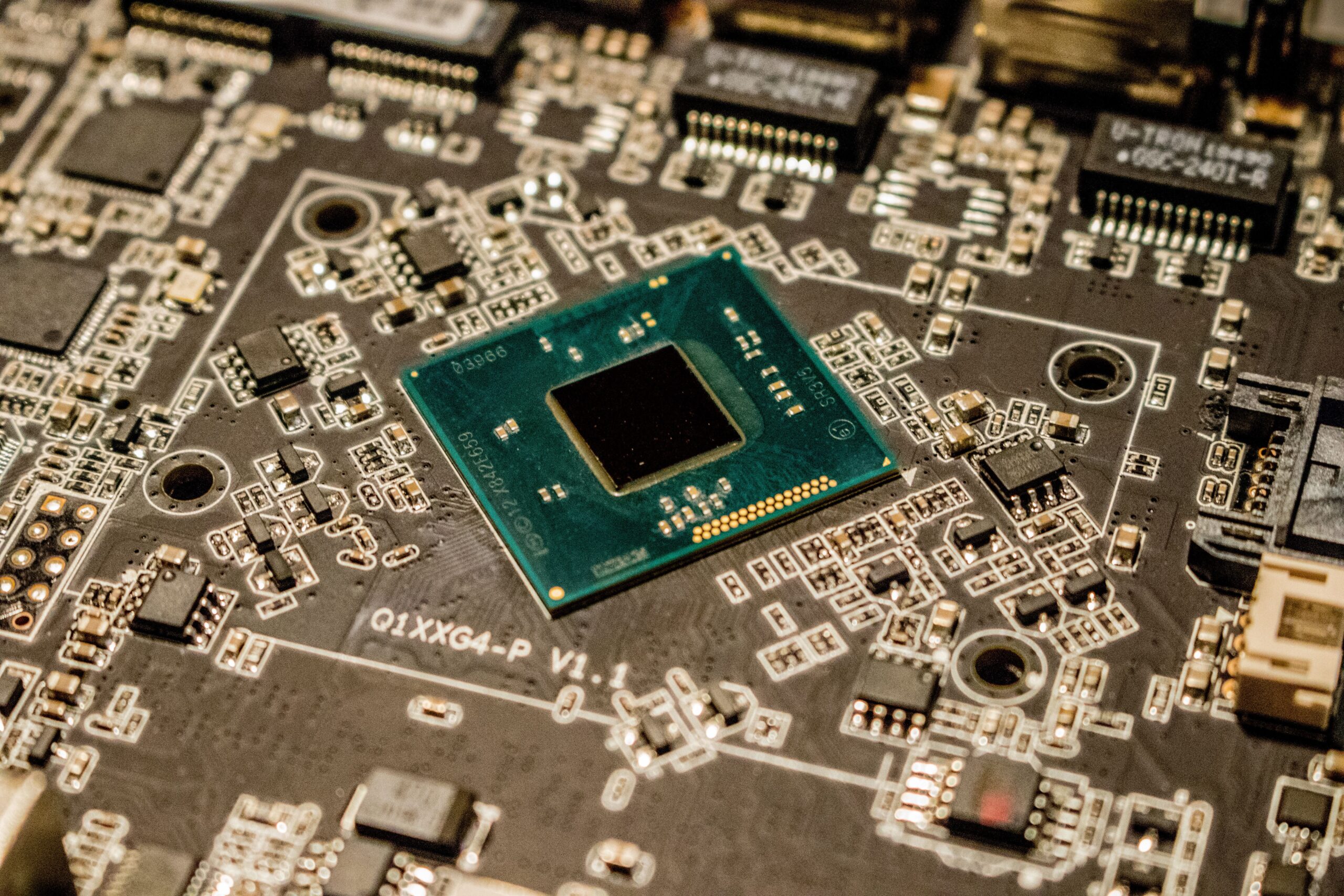
The immediate consequences of this shift are visible in the stock prices of key semiconductor players. The drop in AMD’s shares is not necessarily an indication of poor performance specific to the company, but rather a sector-wide de-rating. Investors are recalibrating their expectations for earnings growth across the board. This adjustment places pressure on companies to demonstrate not just strong product adoption, but also the ability to maintain margins and revenue growth in a slower-moving market. The strategic implications are significant: chipmakers may need to focus more on high-value segments, such as artificial intelligence and high-performance computing, where demand has remained robust, while navigating a softer environment in consumer PCs.
Historically, the PC market has cycled through periods of boom and bust. The current phase appears to be a correction from the overshoot of the pandemic era. The fact that Intel’s outlook had such a pronounced effect on AMD indicates a high degree of market sensitivity to any negative signals from industry leaders. This sensitivity reflects the high valuations that many tech stocks have traded at, leaving little room for disappointment. As a result, even a moderate warning about market conditions can trigger significant sell-offs as investors seek to mitigate potential downside risk.
Looking ahead, the significance of this event lies in its role as a bellwether for the broader tech economy. If the PC market remains weak, it could have cascading effects on related industries, including software, peripherals, and cloud computing services that rely on on-premise hardware. Conversely, if the market stabilizes, it may provide a foundation for recovery in consumer tech spending. For now, the market’s reaction to Intel’s guidance serves as a clear indicator of the prevailing mood: caution. Investors are prioritizing safety over growth in the semiconductor sector, a stance that may persist until clearer signs of demand recovery emerge.

The interplay between Intel’s corporate strategy and the market’s perception of AMD’s future illustrates the complex web of relationships in the global tech industry. While the companies compete for individual customers, they are bound together by shared exposure to the same macroeconomic risks. The recent drop in AMD’s stock is a reminder that in today’s interconnected markets, the fortunes of a single company are rarely isolated from the health of its industry. As the sector navigates this period of uncertainty, the focus will remain on how well these major players can adapt their strategies to a market that is growing more slowly than previously anticipated. The coming quarters will be critical in determining whether this is a temporary dip or the beginning of a longer period of consolidation for the chip industry.
In the end, the decision by Intel to communicate a weak PC outlook has set a tone for the sector that is difficult to ignore. The market’s response, particularly the decline in AMD’s shares, signifies a collective reassessment of the growth trajectory for personal computing. As investors continue to weigh the signals from corporate earnings calls and economic data, the semiconductor sector will likely remain volatile, reflecting the tension between the long-term promise of technology and the short-term realities of consumer spending power. The resolution of this tension will depend on whether demand can reaccelerate, a question that remains open as the industry enters a more cautious phase of its cycle.