The military exchange underscores the fragility of the current ceasefire and the difficulty of de-escalating a five-month conflict that has significantly impacted the global economy and generated widespread unpopularity among the American public. The flare-up on multiple fronts has heightened concerns regarding the sustainability of U.S. defense capabilities, particularly as sophisticated munitions stockpiles, already diminished, are further depleted in efforts to defend bases and allied nations in the region.
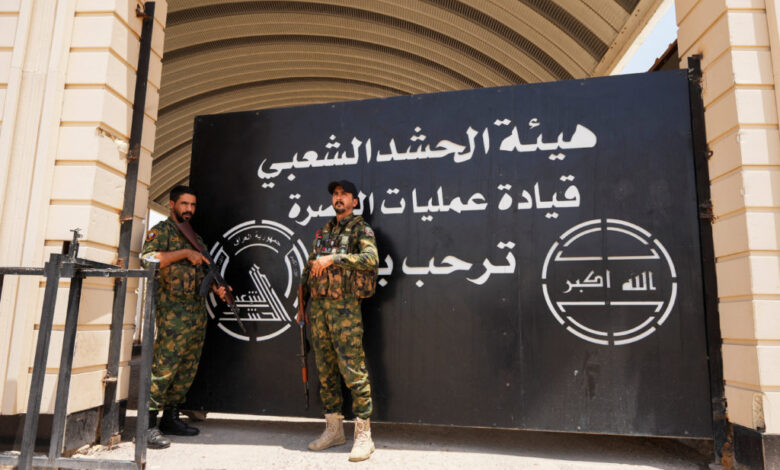
Two Iraqi militia officials, speaking on condition of anonymity because they were not authorized to comment publicly, indicated that six Iranian advisers were killed in the U.S.-Saudi strikes. It remains unclear whether these advisers were included in the total count of 20 fighters killed. The officials’ accounts highlight the blurred lines between local militia combatants and foreign state actors in the theater, a dynamic that complicates strategic assessments and rules of engagement.
Strategic Ambiguity and Diplomatic Maneuvering
While kinetic hostilities intensified, diplomatic channels remained active, revealing a dual-track approach by Tehran. In parallel with the missile launches, Iran urged leaders of Iraq’s Coordination Framework to contain a growing dispute over the weapons of armed factions. The aim was to avoid a direct confrontation with groups that may refuse to disarm following a September 30 deadline set by the Iraqi government.
Local reports cited informed sources stating that Tehran called for negotiations with the factions rather than immediate confrontation. The proposed talks would address which weapons could be surrendered, the logistics of handing them over, and what the factions might receive in return. Committees were also suggested to manage this process, potentially preventing a direct clash between the militias and either the Iraqi government or the United States.
This diplomatic push coincides with Prime Minister Ali al-Zaidi’s government advancing a plan to place all weapons under state control. Baghdad has linked the end of September to the conclusion of the U.S.-led international coalition’s military mission against ISIS and the commencement of a new phase in bilateral security relations. National Security Adviser Qassem al-Araji stated this week that the coalition’s mission would conclude on September 30, with dialogue on restricting weapons potentially beginning thereafter. This timeline appears designed to ease tensions surrounding the disarmament deadline.
A senior Iranian official, identified as Mohsen Qomi, a representative of Iran’s supreme leader, briefly attended a recent Coordination Framework meeting in Baghdad. According to informed sources, Qomi delivered messages on how to handle the coming security developments and formally introduced his role to Iraqi government and political leaders. The visit, which was delayed due to security conditions in Iran, allowed Qomi to meet with key figures including Iraqi Islamic Supreme Council President Humam Hamoudi and Prime Minister al-Zaidi. Qomi reportedly told Framework leaders that Hamoudi had been designated as the primary channel of communication between Iran and Iraq, a move intended to organize political contacts as pressure on Iran-aligned armed factions intensifies.
The juxtaposition of missile strikes and high-level diplomatic engagement illustrates the complex strategic calculus facing Tehran. While the missile barrage signals a willingness to project power and deter further U.S. aggression, the simultaneous effort to mediate the disarmament crisis in Iraq suggests an attempt to manage the fallout and preserve the influence of its allied militias without triggering an uncontrollable regional war. The next 48 hours will likely reveal whether these diplomatic efforts can mitigate the impact of the recent strikes or if the conflict will spiral into a broader confrontation.