
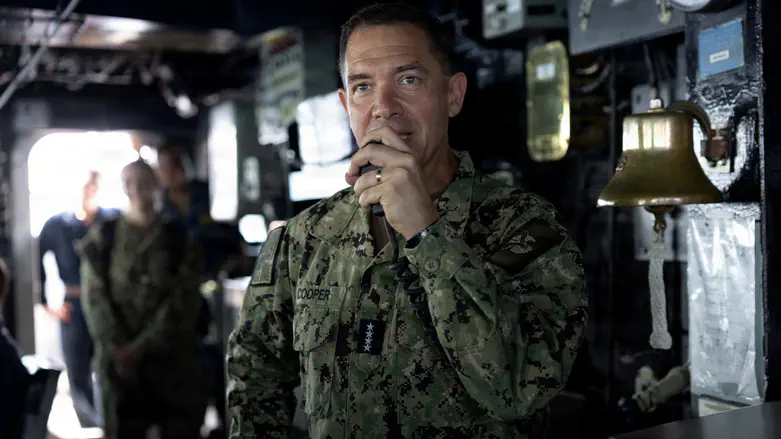
The immediate trigger for the troop drawdown was a public dispute between President Donald Trump and German Chancellor Friedrich Merz. Merz recently stated that Tehran was “humiliating” Washington during negotiations aimed at ending the war and suggested the United States lacked a clear exit strategy. Trump responded by indicating that US troop levels in Germany were under review, a threat that the Pentagon has now executed. Pentagon spokesman Sean Parnell stated that Defense Secretary Pete Hegseth ordered the withdrawal in recognition of “theater requirements and conditions on the ground,” though the timing closely mirrors the diplomatic spat over the Iran war.
This military recalibration occurs against a backdrop of heightened secrecy and coordination among US, Israeli, and Arab military leadership. Senior commanders from these nations recently met in Germany to discuss the war with Iran and broader regional security concerns. While the specific Arab participants were not identified, the meeting highlights a shifting center of gravity in Middle East security planning. The talks focused on the ongoing conflict and the growing regional threats faced by the US, Israel, and Arab states. Notably, there was no immediate official confirmation of the meeting from the involved governments, and details regarding specific agreements or military operations remain undisclosed.
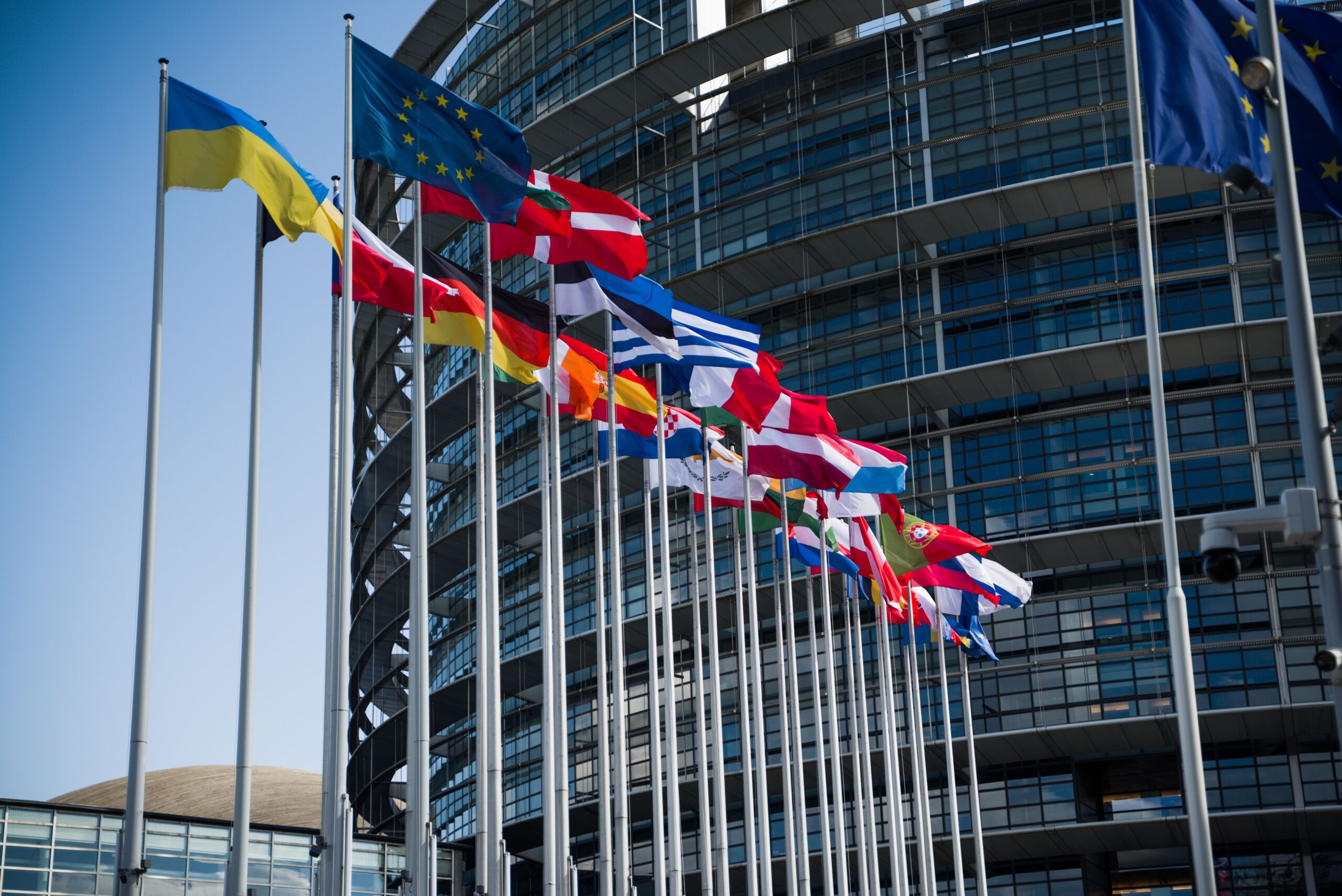
The withdrawal from Germany is part of a wider erosion of trust within the NATO alliance. President Trump’s decision to launch strikes on Iran without prior consultation with NATO allies, followed by his call for the alliance to assist in reopening the Strait of Hormuz, has inflamed tensions that had been simmering for months. These new disputes have joined earlier frictions over US threats regarding NATO-linked territories like Greenland and Canada, as well as repeated suggestions of a complete US withdrawal from the alliance. Ivo Daalder, a former US ambassador to NATO under President Barack Obama, described the situation as a fundamental break, noting that the current US position defies the foreign policy logic established after World War II. Daalder argues that the US no longer believes its security is inextricably linked to Europe’s, a shift that has European and Canadian leaders questioning whether the US would come to the aid of its allies in a future crisis.
Strategic Implications for European Defense
The anxiety surrounding US commitment is reshaping military planning, defense spending, and procurement decisions across Europe. In Germany, the debate is particularly acute regarding the future of US-made Tomahawk missiles. Plans formulated during the previous administration to deploy these missiles to Germany may now be shelved. German Defense Minister Boris Pistorius acknowledged the uncertainty, stating, “There are ideas, but no solution yet” on how to fill the potential capability gap left by the stalled deployment. The Pentagon has not responded to requests for updates on the status of the Tomahawk plans, leaving European defense ministries to navigate an uncertain strategic environment.
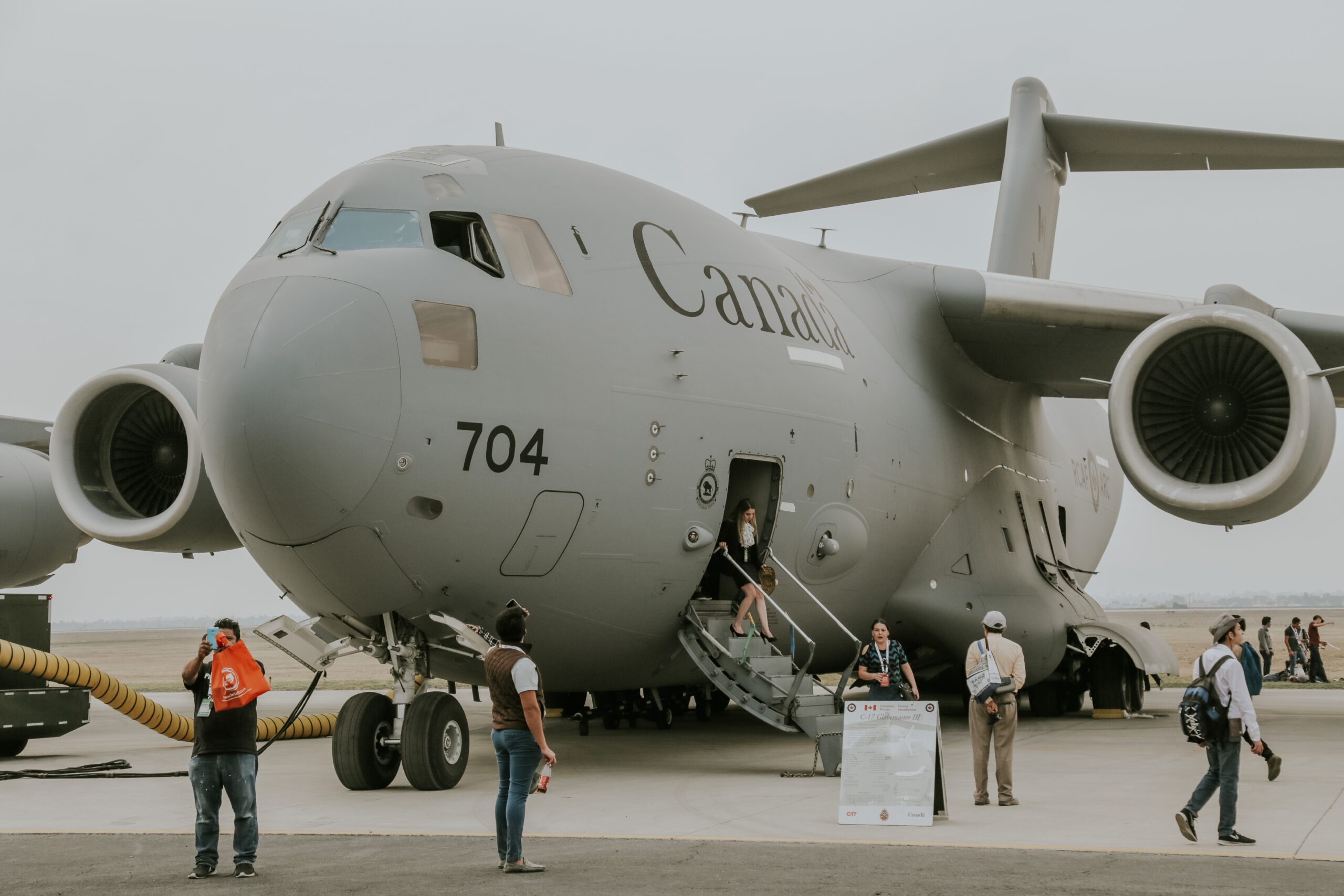
For European nations, the reduction of US forces in Germany forces a reevaluation of autonomous defense capabilities. The withdrawal, combined with the lack of a clear US exit strategy in Iran, suggests that European allies may need to prepare for a future where they cannot rely on immediate American military support for regional security challenges. The secret meeting in Germany involving Arab and Israeli commanders further illustrates a complex web of bilateral and multilateral security arrangements that may operate somewhat independently of traditional NATO frameworks.
As the US begins the process of withdrawing these 5,000 troops, the immediate impact will be felt in the daily operations of US bases across Germany. However, the longer-term signal is one of strategic divergence. The US is shifting its focus toward the Middle East conflict, while European allies grapple with the implications of a reduced American footprint on their own borders. The next critical data point will be whether European nations accelerate their own defense procurement to compensate for the reduced US presence, or if the alliance seeks a diplomatic resolution to the current standoff over Iran. Until then, the security landscape in Europe remains defined by uncertainty and a growing distance between Washington and Berlin.