
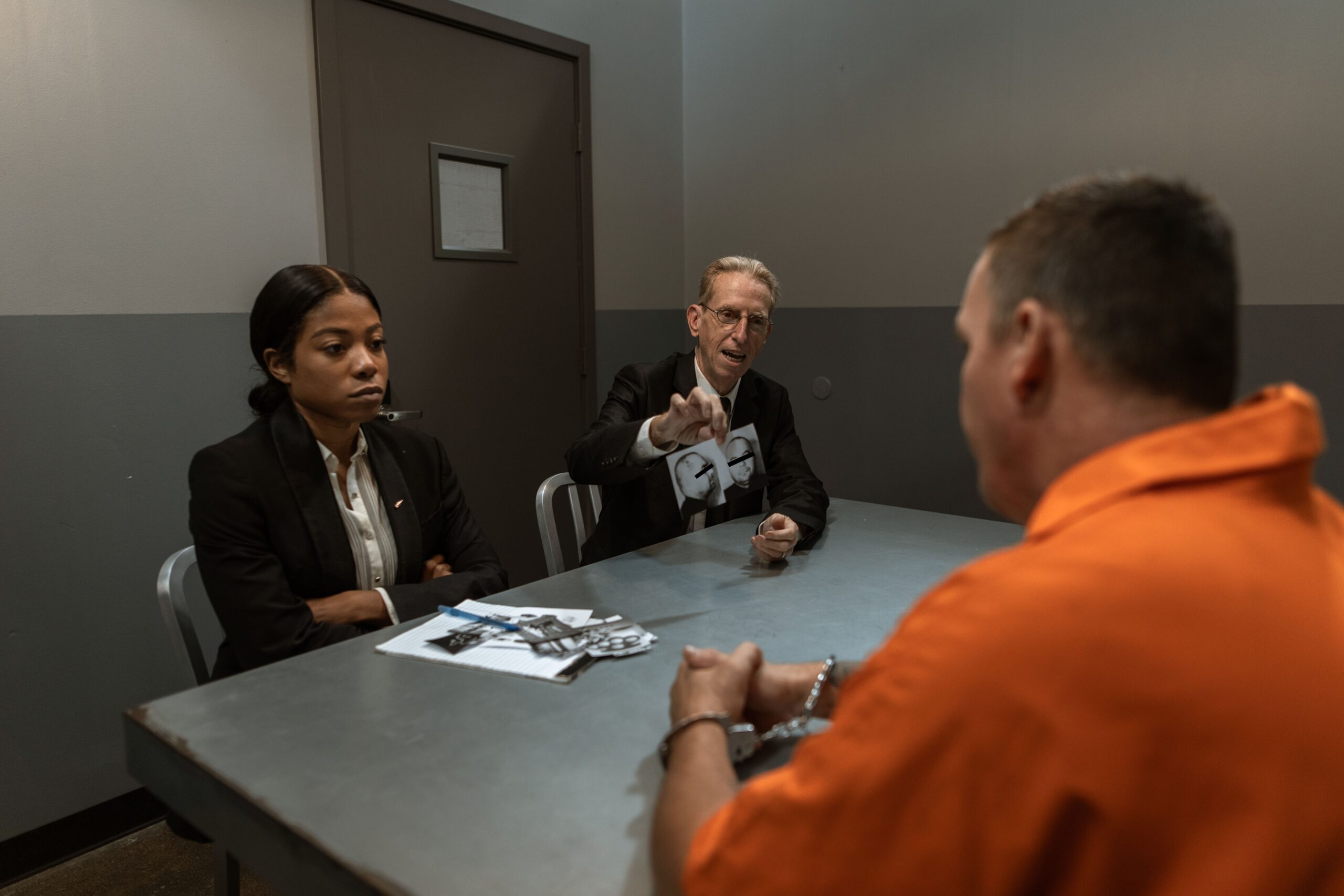
Mr. Doyle, whose identity and whereabouts are currently concealed due to serious safety concerns, provided testimony to the inquiry regarding his experiences within the construction industry. He described a scenario in which women working at the Players nightclub in the Gold Coast formed social connections with clients and union delegates. According to Mr. Doyle, these social interactions led to direct offers of employment on the Light Rail project. “The women … were entertaining union delegates at their nightclub and they hit it off so well with the clients and the union delegates that they were offered employment on the project for their services,” he stated. He further alleged that the women were told they would be “rewarded” for keeping clients “happy,” with the reward manifesting as night-shift positions paying thousands of dollars per week.
The testimony extends beyond the hiring mechanism to allege an environment of persistent sexual harassment on the worksite. Mr. Doyle claimed that the women were “touched by people on site, from fellow staff members to union delegates to foremen.” However, he noted that the financial terms of the employment were significant enough that the women remained in the positions despite the harassment. “The money was that great and they didn’t have to take their clothes off for it. They were happy to stay,” he told the inquiry. These allegations highlight a broader concern raised during the proceedings: the presence of individuals linked to outlaw motorcycle gangs on construction sites. When asked by inquiry counsel Mr. Gisonda whether the appearance of such individuals was rare, semi-regular, or regular, Mr. Doyle described it as a “semi-regular occurrence” in Queensland.
This testimony is part of a wider, high-profile inquiry into the CFMEU and the construction sector, which has undergone significant expansion in scope and funding. Initially launched as a 12-month, $20 million probe in mid-2025, the inquiry has seen its budget almost quadrupled to $95 million by the Queensland government, with the final reporting date extended to December 2027. The expansion follows initial investigations by barrister Geoffrey Watson SC and media reporting alleging corruption and criminal links between the union and the construction sector. Over 15 hearing weeks, the inquiry has heard serious allegations targeting CFMEU executives, the former Labor government, state police, workplace safety regulators, and major building firms.
Amidst these proceedings, Emma Walters, a former industrial lawyer and the estranged wife of former CFMEU secretary John Setka, made a rare public appearance. Ms. Walters, who was not subpoenaed or called to give evidence, attended the public gallery to observe the inquiry. She publicly questioned whether the state’s probe, and a similar inquiry gearing up in Victoria, would ultimately deliver on promised actions regarding criminal allegations. “There are serious allegations that have been raised about conduct of [CFMEU] executive members of each state,” Ms. Walters said. While acknowledging that some executive members had been removed from the union, she expressed concern that the “hard truth” of criminal conduct might not be fully addressed. She argued that the onus lies with the government and legislative arms to ensure the inquiry answers taxpayers and provides insight into whether the union has been an “inherently criminally corrupt organisation.”
Ms. Walters’ comments have spurred the peak Queensland union body to call for the appointment of a Victorian-style special prosecutor. This legal mechanism would allow inquiry investigators to lay potential charges directly, rather than waiting for the issuance of a final report. The current inquiry is headed by barrister Stuart Wood KC, whom Ms. Walters described as an “active commissioner.” The legal significance of the potential appointment of a special prosecutor lies in the procedural power to initiate criminal proceedings immediately upon finding evidence of serious misconduct, rather than merely documenting it.
The legal questions at the heart of the inquiry revolve around the integrity of labor markets and the potential criminalization of union practices. The allegations against Mr. Doyle’s testimony, if substantiated, raise issues of unlawful discrimination, sexual harassment, and potentially fraud or corruption in public works contracting. The presence of alleged gang affiliations adds a layer of criminal liability, potentially implicating the union in facilitating access to sites for individuals with violent backgrounds. The principal legal question is whether the informal networks described by the witness constitute a systemic failure of oversight by both the union and the contracting entities.

The decision of the inquiry will have profound effects on the parties involved and the wider public. For the workers, the testimony highlights risks associated with non-standard employment pathways in the construction sector. For the industry, it calls for a review of how subcontractors vet and hire personnel, particularly for roles like traffic control which require specific licensing and safety training. The Queensland government faces political pressure to ensure the $95 million expenditure yields actionable legal outcomes, not just a report. The dispute remains unresolved, with the defense of the union and its members not yet fully aired in public judgment. The presumption of innocence applies to all individuals and entities named in the allegations until a court of law has made a finding of guilt.
As the inquiry prepares to issue an interim report this month, which is expected to include a decision on a new state construction code and regulator, the focus shifts to the structural reforms that may be mandated. The next confirmed legal step is the release of this interim report, which will determine the trajectory of the remaining proceedings and whether the call for a special prosecutor gains legislative traction. The witness, still protected under the alias Ian Doyle, remains a central figure in the narrative of alleged corruption, his testimony serving as a catalyst for the scrutiny of the entire construction labor market in Queensland.