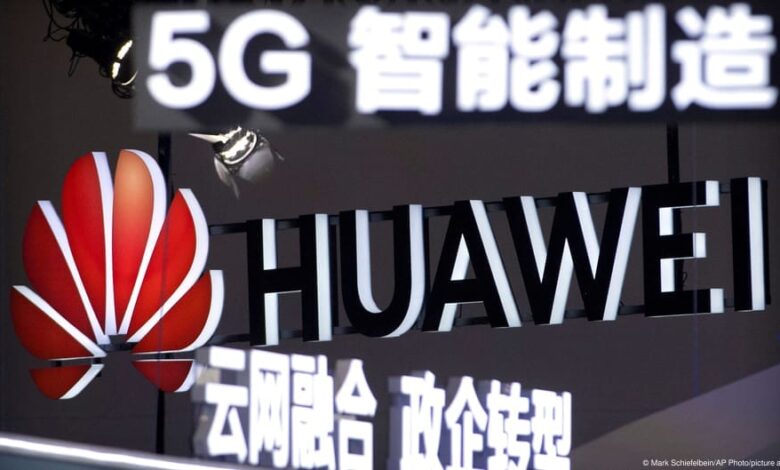
The decision marks a significant legal development in a case that has spanned years of international scrutiny. The principal legal question centered on whether Huawei and three of its subsidiaries engaged in a pattern of criminal activity to obtain competitive advantages in the US market and to conduct business in sanctioned countries. The jury’s split verdict indicates that while the government successfully proved the specific acts of theft and fraud, it did not establish the broader structure of a racketeering enterprise or the specific intent to obstruct justice required for those additional counts.
US Attorney General Todd Blanche characterized the findings as the result of decades of deceptive business practices. “For decades, Huawei and three of its subsidiaries conducted their business in the United States on the basis of lies and theft,” Blanche stated following the verdict. US Attorney Joseph Nocella emphasized the national security implications, describing Huawei’s actions as a “decades-long pattern of endangering US national security, violating the sanctity of US commerce, and impeding the enforcement of US laws.”
Prosecutors argued that Huawei misappropriated intellectual property to undercut competitors. According to court records cited by the Department of Justice, the misappropriated materials included trade secret information and copyrighted works, such as source code and user manuals for internet routers, antenna technology, and robot testing technology. The victim companies identified in the proceedings included Cisco Systems, Motorola Solutions, T-Mobile, Quintel USA, and Fujitsu. Prosecutors detailed specific instances of this conduct, alleging that a Huawei employee entered a competitor’s booth at a Chicago trade fair to photograph circuit boards inside a networking device. Another allegation involved a Huawei employee removing a robotic arm from a competitor’s laboratory to photograph and measure it. Additionally, the company was found to have sold routers containing source code from a rival firm.
Beyond trade secret theft, the jury found Huawei guilty of violating US sanctions. Prosecutors alleged that the company conducted business in countries subject to US sanctions, including Iran and North Korea, and made false statements to US government officials and banks to conceal this activity. This element of the case connects to the broader context of Huawei’s legal troubles, which began in 2018 when the US Department of Justice launched the “China Initiative” to combat economic espionage and intellectual property theft. That same year, Huawei’s Chief Financial Officer, Meng Wanzhou, was detained in Canada on charges that she misled banks, including HSBC, about Huawei’s business relationships in Iran and its ties to a Hong Kong-based company called Skycom. Meng was eventually released in 2021 under a deferred prosecution agreement, a development that concluded her individual criminal proceedings but did not resolve the corporate charges against Huawei itself.
Huawei has consistently denied the allegations. In a statement released after the verdict, the company expressed satisfaction with the jury’s acquittal on the RICO charges, stating that this confirmed the government’s claims regarding organized crime were devoid of factual basis. The company argued that its position over the past eight years has been vindicated. Regarding the trade secret charges, Huawei contended that the five disputes cited by the government were civil matters resolved over the past two decades. “No court ever found Huawei liable for willful misappropriation of intellectual property, and the company has never been ordered to pay damages for the misuse of trade secrets,” the statement read. Huawei further asserted that the remaining charges, including those for fraud and sanctions violations, are “equally without legal or factual merit.”
The legal distinction between civil disputes and criminal liability is central to Huawei’s defense strategy. The company maintains that any prior conflicts with competitors were handled through civil litigation, which does not carry the same burden of proof or punitive implications as criminal convictions. By securing an acquittal on the RICO count, Huawei avoided the designation of a racketeering enterprise, a label that could have carried severe additional penalties and regulatory consequences. However, the guilty verdicts on the 10 other counts stand as judicial findings of criminal conduct.

The impact of the decision extends beyond the immediate parties. Huawei has been under pressure in Western markets since 2019, when it was added to the US Commerce Department’s Entity List, restricting its access to American technology and components. While its consumer electronics business has continued to grow in various global markets, its networking business has faced significant bans in the US and other Western countries. The criminal conviction reinforces the legal grounds for these restrictions and may influence future regulatory actions against the company.
The immediate next step in the legal process is the sentencing phase, though Huawei has announced its intention to appeal the verdict. The company stated it will comprehensively review the relevant court decisions and take all necessary legal steps to protect its rights and interests. The appeal will likely focus on the sufficiency of the evidence for the fraud and sanctions counts, as well as potential procedural errors during the trial. The case underscores the increasing use of criminal law tools by the US government to address what it perceives as state-sponsored economic espionage and sanctions evasion, setting a precedent for how multinationals operating in sanctioned jurisdictions may be treated under US jurisdiction.