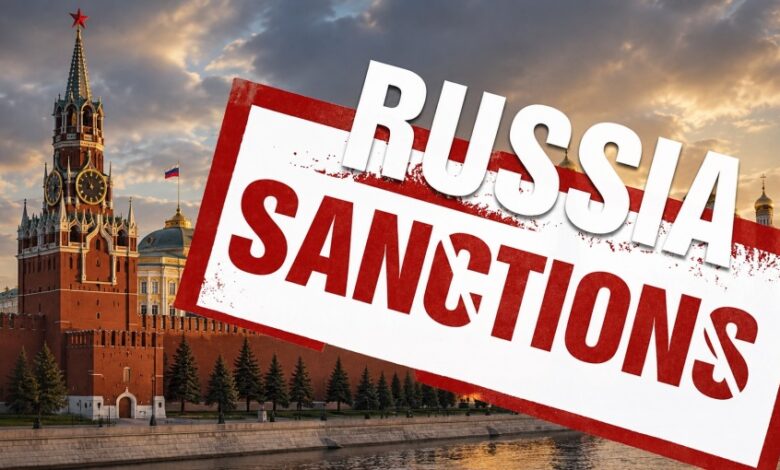
The sanctions extend beyond traditional banking channels to address evolving financial structures. Von der Leyen highlighted the need to combat cryptocurrency and payment networks that Russia and third countries use to circumvent existing restrictions. To coordinate this effort, the Commission has proposed the creation of a Crypto Sanctions Task Force. The mandate includes strengthening oversight of these digital financial flows, targeting not only Russian entities but also third-country actors facilitating sanctions evasion. This reflects a broader strategic shift toward closing loopholes in the global financial system that have allowed continued economic activity despite previous measures.
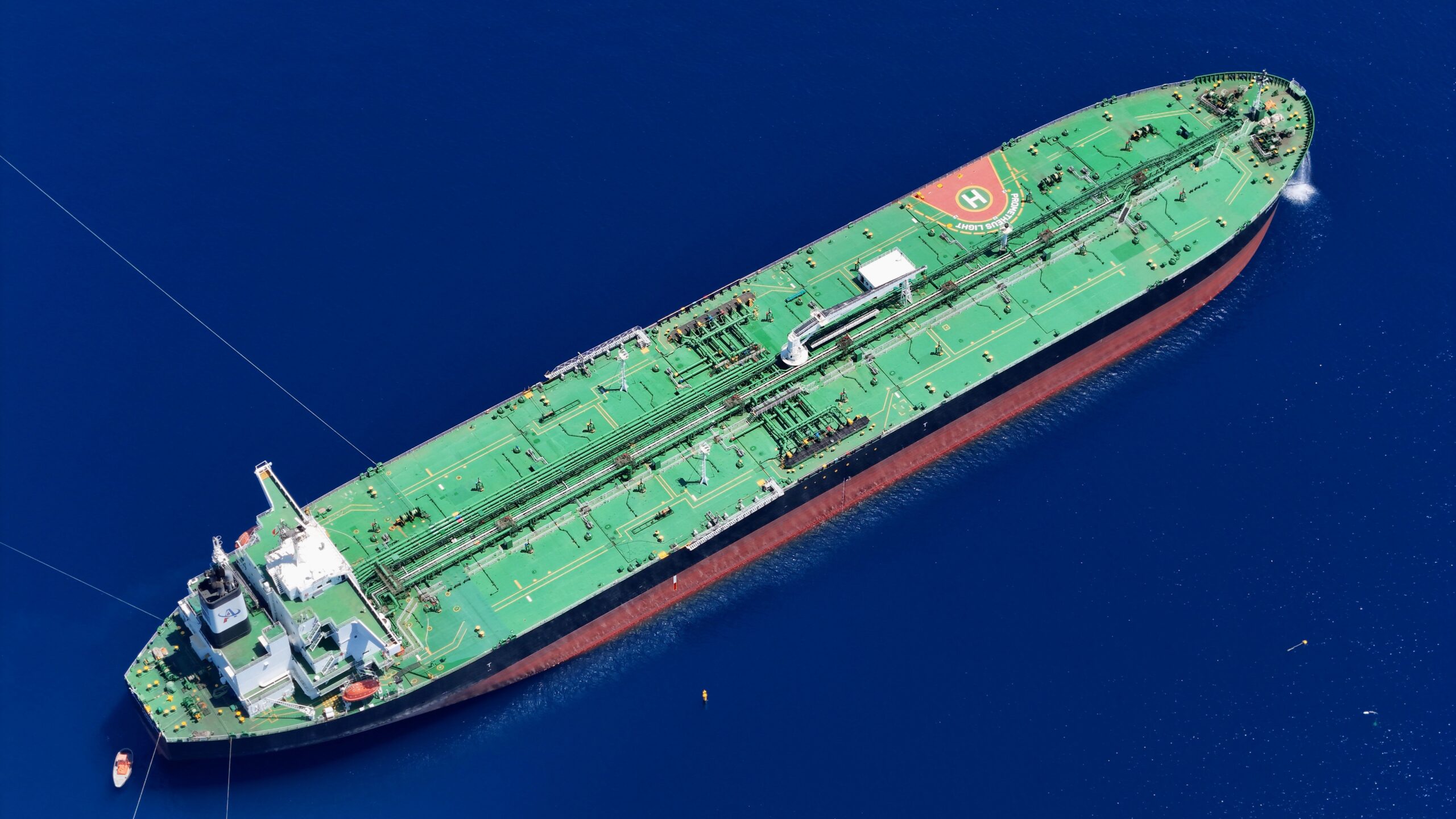
A significant portion of the package targets Russia’s energy sector, a critical source of revenue for the state. Under the new proposals, European companies would be prohibited from building, operating, or repairing Russian energy infrastructure. This ban explicitly includes oil refineries and, for the first time, extends to services in the electric power sector. By cutting off technical support and maintenance, the EU aims to degrade the operational capacity of Russia’s energy assets. Additionally, the package proposes a ban on all tankers insured in Russia and seeks to add more than 70 vessels from Russia’s “shadow fleet” to the sanctions list. These vessels, often used to transport oil while evading price caps and insurance requirements, are central to Russia’s ability to maintain oil exports.
The rationale behind these energy restrictions is to limit the financial resources available for the war against Ukraine. Von der Leyen stated that the goal is to increase economic pressure and limit Russia’s ability to finance its military campaign. The measures represent a tightening of existing rules, moving from indirect restrictions to direct prohibitions on specific industrial services. For European firms with historical ties to Russian energy projects, this signals a definitive end to operational collaborations in sensitive infrastructure sectors.
Alongside economic measures, the package introduces strict personal and institutional restrictions. A key component is the proposal to ban the issuance of visas to former Russian combatants. Von der Leyen cited recent escalations in non-conventional kinetic activities by Russian operatives in Europe, arguing that ex-combatants pose a security risk and “cannot be allowed to wander freely” across EU countries. This visa ban is part of a broader response to security concerns within member states.
The restrictions also extend to corporate governance and civil society. Citizens of EU countries would be prohibited from holding positions in the governing bodies of Russian companies. This measure aims to sever institutional links between European professionals and Russian corporate structures. In the realm of sports and culture, the Commission proposes banning Russian teams and athletes from competing under the Russian flag at sporting events within the EU. The ban would also prohibit the display of official Russian symbols and restrict financial flows from Russian sponsors to European-based sports and cultural associations. Additionally, restrictions would be introduced on Russians holding posts in the governing bodies of European sports federations.
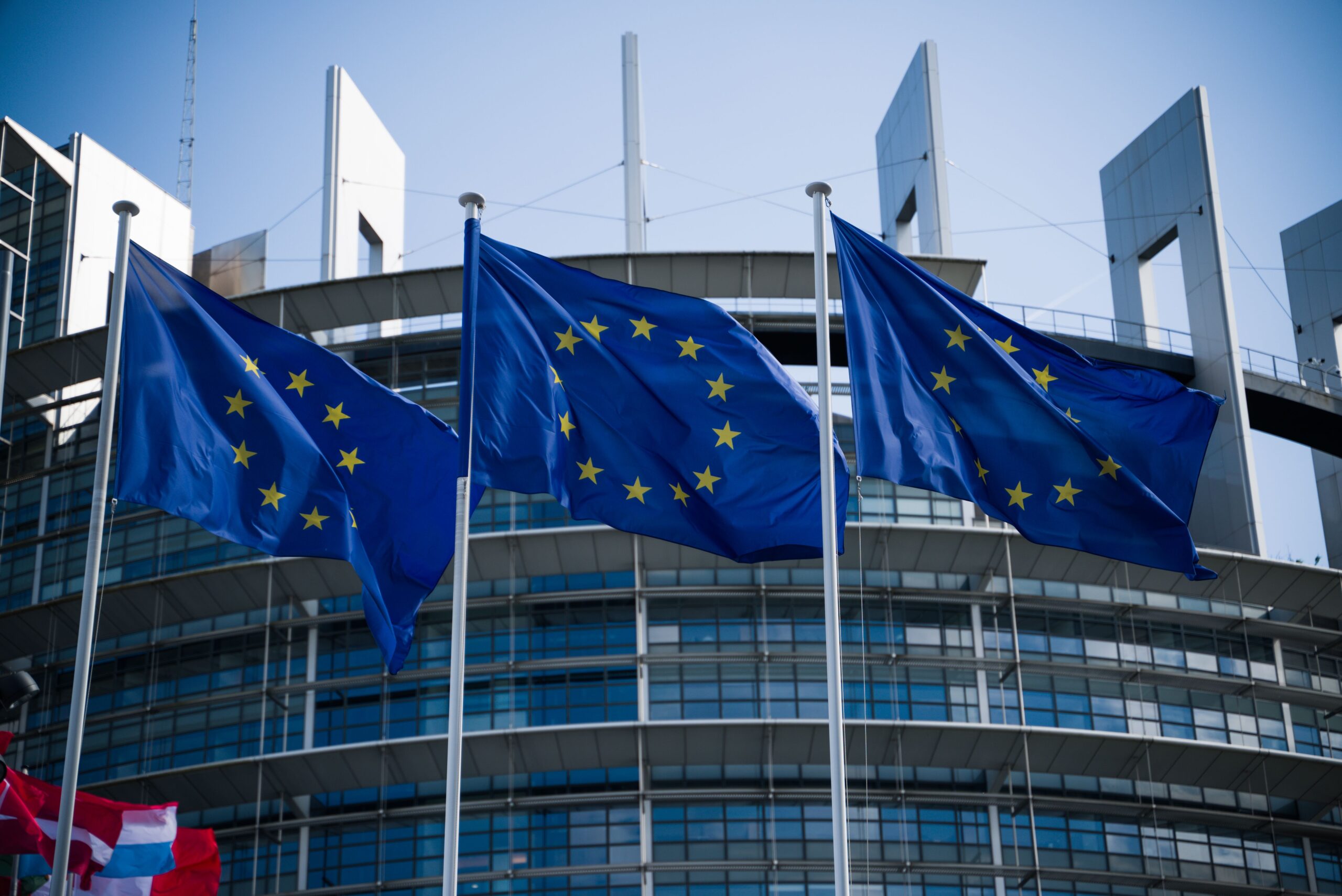
Despite the detailed outline of these measures, the 22nd package is currently only a proposal. To take effect, it must be unanimously approved by all 27 EU member states. This requirement introduces a layer of political complexity, as any single member state can block the implementation. The need for consensus highlights the internal dynamics of the EU, where divergent national interests and security assessments can influence the pace and scope of sanctions enforcement.
The timing of this announcement coincides with other geopolitical developments in the region. Just days prior, a Russian jet drone circled over Poland for eight minutes, an incident that underscored the proximity of the conflict to European borders. While the military held fire, the event reinforced the security concerns cited by von der Leyen regarding the presence of Russian operatives and combatants. The sanctions package can be viewed as part of a integrated strategy that combines economic pressure with security measures to deter further escalation.
For businesses, particularly in the energy and financial sectors, the proposed rules create immediate uncertainty. The ban on repairing and operating energy infrastructure affects long-term contracts and maintenance agreements. The exclusion of 60 banks from SWIFT will require companies to reassess their banking partners and payment routes. The focus on cryptocurrency and third-country evasion means that compliance departments must expand their monitoring of digital assets and cross-border transactions.
The impact on Russia’s economy is expected to be cumulative. Each successive package tightens the noose, reducing the volume of trade, investment, and financial integration. The targeting of the shadow fleet and refineries strikes at the core of Russia’s oil export machinery, which remains a primary source of state revenue. By combining SWIFT exclusions with operational bans on energy services, the EU is attempting to create a multi-layered barrier that is difficult for Russia to bypass through alternative financial networks or third-party intermediaries.
Uncertainties remain regarding the speed of implementation and the potential for workarounds. The effectiveness of the crypto task force will depend on international cooperation and the technical ability to trace illicit flows. The visa restrictions may face logistical challenges in enforcement, particularly at external borders. However, the clear intent is to raise the cost of sanctions evasion for both Russian entities and any third parties assisting them.
As the proposal moves to the Council of the European Union for debate, the focus will turn to the diplomatic negotiations required to secure unanimous support. The next critical step is the vote among the 27 member states, where political will will be tested against economic interdependencies. For now, the 22nd package stands as a signal of continued resolve, aiming to compress Russia’s economic space while addressing the security implications of the ongoing conflict in Ukraine.