

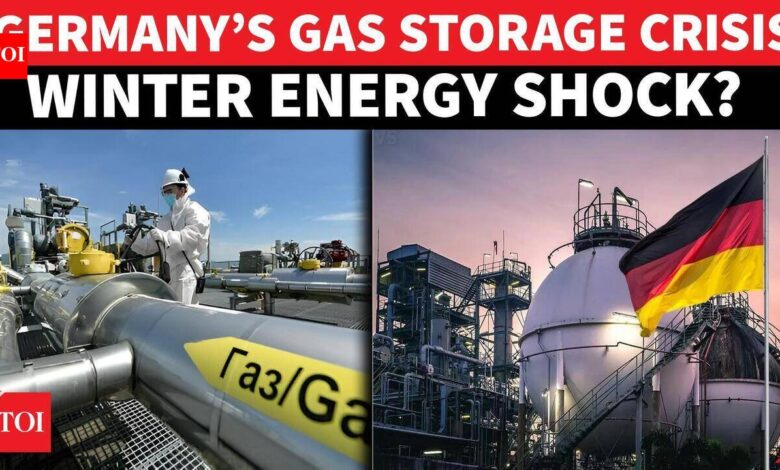
The immediate effect of these low storage levels is heightened vulnerability to supply shocks. Experts caution that an unusually cold winter, potential supply disruptions from Norway, or a sudden rise in industrial and residential demand could place further strain on Germany’s energy infrastructure. While the current deficit does not indicate an immediate shortage of gas for heating, it reduces the buffer available to manage unexpected interruptions in supply. The government has responded by stating that storage levels are projected to rise to between 60 and 70 percent before the peak of the winter season. This anticipated increase relies heavily on continued pipeline imports and the operational capacity of liquefied natural gas (LNG) terminals to meet demand, which currently serves as the primary mechanism for balancing the energy market.
Commercial and household consumers may face higher gas prices if supplies tighten further, as the reduced storage buffer limits the ability to dampen price spikes. The distinction between generation capacity and actual output is critical here; while the physical infrastructure for import and distribution remains intact, the commercial decision to withhold gas from storage has created a tighter market environment. This situation highlights the fragility of energy security when geopolitical instability directly influences commodity pricing, forcing market participants to prioritize short-term financial gains over long-term strategic storage obligations.
Background on the regional context reveals that the price surge is tied to the Iran war, which has disrupted normal trading patterns and increased risk premiums for energy commodities. In parallel, a separate but related escalation in the Middle East has raised broader concerns about critical infrastructure. Satellite imagery from Planet Labs indicates possible damage at the King Khalid Air Base in Khamis Mushait, Saudi Arabia, following a major missile and drone attack claimed by Yemen’s Iran-backed Houthis. Saudi authorities confirmed that Houthi attacks across Abha, Khamis Mushait, Jizan, and Najran wounded at least 73 people and sparked fires that temporarily halted operations at certain sites. The Houthis stated these attacks were retaliation for more than 120 Saudi airstrikes conducted in Yemen in recent days.
While the Saudi incident focuses on military and civilian infrastructure, it underscores the broader regional instability affecting energy logistics and sentiment. The exchange marks a significant escalation in the Yemen conflict, renewing focus on the protection of critical energy infrastructure in the region. For Germany, the direct impact is mediated through global gas markets, where such geopolitical tensions contribute to the price volatility that discourages storage fill rates. The next critical milestone will be the monitoring of storage levels over the coming weeks to verify if they reach the government’s projected 60-70 percent range, alongside continued assessment of pipeline import volumes and LNG terminal throughput as winter demand ramps up.