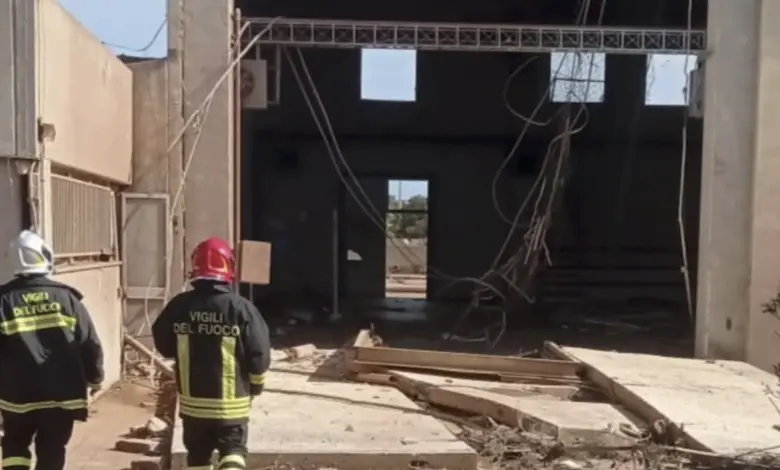
The tornado’s path of destruction included Via Nazionale and the SS115 highway, where strong winds tore out window and door frames, shattered glass, and overturned parked vehicles. At the school complex, located near kilometer 38 of the SS115, the roof was partially damaged and teaching materials were scattered across the premises. Initial reports from the regional civil protection service indicated that approximately 300 students were evacuated from the building. Subsequent updates from the ASP Trapani health authority confirmed that nine individuals, comprising four children and five adults, were treated at Paolo Borsellino Hospital for minor cuts and abrasions. The school principal stated that 273 children were inside the complex at the time of the event, with six sustaining minor injuries.
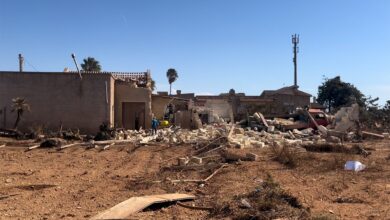
Damage extended beyond Marsala into Petrosino, where the tornado struck a municipal waste-collection center and several residential structures. Local authorities reported four minor injuries in Petrosino, though it remained unclear whether these cases were included in the total hospital admission figures. In one instance, a vehicle was thrown into a ravine, resulting in two occupants being seriously injured and hospitalized in critical condition. These cases may overlap with previously reported injury counts. The National Fire Brigade deployed five teams from Trapani province, with additional reinforcements arriving from Palermo and Agrigento to assist with rescue and cleanup operations.
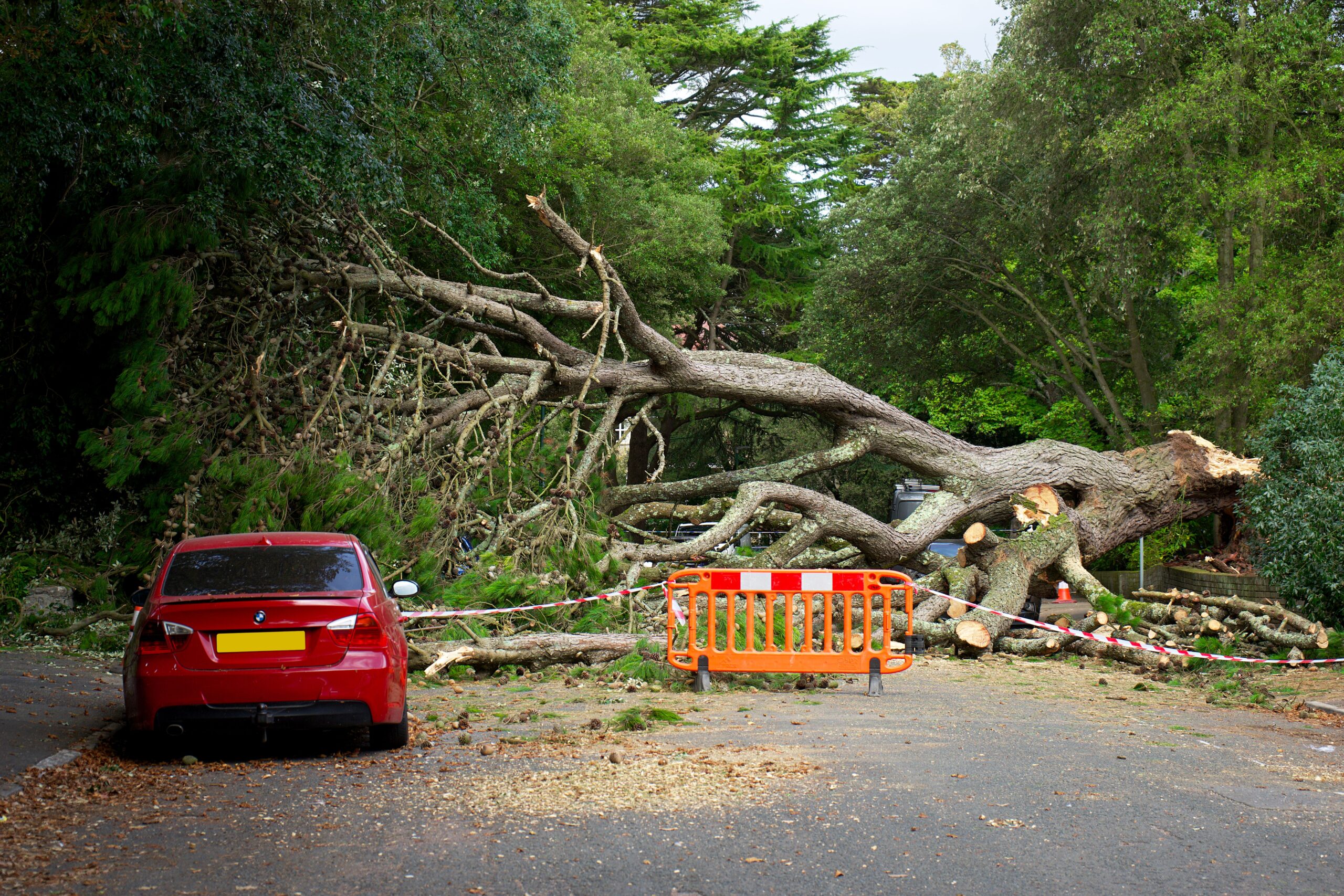
The storm also disrupted regional transport networks. Rail traffic between Trapani and Castelvetrano was suspended at 09:20 local time due to weather-related damage to the line. As of 13:30 local time, the suspension remained in effect while technicians worked to assess and repair the infrastructure, leading to train cancellations and route limitations. Road traffic was also interrupted by the closure of several level crossings and the presence of downed trees and electricity poles. The municipality of Petrosino activated its Municipal Operations Center to coordinate emergency work and began arranging temporary accommodation for residents whose homes were rendered uninhabitable.
Salvatore Cocina, head of Sicily’s Civil Protection Service, described the event as nearly unprecedented for the region, highlighting the increasing risks associated with extreme weather events in the context of the climate crisis. Regional President Renato Schifani pledged to allocate funds to address the aftermath of the storm and support affected communities. A warning for possible heavy rain and storms remained in effect for the region on Saturday, with meteorologists forecasting continued unstable conditions across parts of the central Mediterranean. Emergency services continued to monitor the situation as they worked to restore essential services and ensure the safety of residents in the affected areas.