“This is not coronavirus. I want to be unequivocal here; this is not SARS-CoV-2 and not the start of a COVID pandemic,” said Maria Van Kerkhove, the WHO’s director of epidemic and pandemic preparedness and prevention. “This is not COVID. This is not influenza. It spreads very, very differently.”
The outbreak, which began in early April, has sickened eight individuals, three of whom have died. Of the eight cases, five have been laboratory-confirmed as hantavirus infections, while the remaining three are suspected. Genetic sequencing of patient samples confirmed the presence of the Andes strain of the virus, a variant primarily found in South America. While hantaviruses are typically transmitted through contact with infected rodents or their excretions, the Andes virus is unique in that it is the only known hantavirus capable of human-to-human transmission.
“This is an outbreak on a ship and we do not anticipate a large epidemic.” — Maria Van Kerkhove, WHO Director of Epidemic and Pandemic Preparedness
Authorities believe the initial exposure occurred prior to the cruise. The first identified case, a passenger who traveled with his wife, had participated in a bird-watching trip through Argentina, Chile, and Uruguay. It is suspected that exposure occurred at a landfill site near Ushuaia, Argentina, where rodents known to carry the Andes virus are prevalent. Although this theory has not been definitively confirmed, it aligns with epidemiological patterns from previous outbreaks, most notably a 2018 incident in Argentina where 34 cases were reported.
The distinction between this outbreak and the 2020 COVID-19 pandemic lies in the mode of transmission. While SARS-CoV-2 spread rapidly through the global population via respiratory droplets and aerosols, the Andes virus requires close and prolonged contact. WHO Director-General Tedros Adhanom Ghebreyesus noted that in previous outbreaks, transmission was associated with household members, intimate partners, and healthcare providers. “That appears to be the case in the current situation,” Ghebreyesus said. Transmission is most likely during the early phase of illness when the virus is more transmissible, but it does not spread with the same ease or speed as SARS-CoV-2.

The disease itself is severe, with a case-fatality rate estimated between 30% and 40%, though some experts suggest this figure may be an overestimate. Symptoms typically begin as flu-like, including fatigue, fever, and muscle aches, before potentially progressing to severe respiratory or kidney failure. There is currently no vaccine or specific antiviral treatment for hantavirus. However, early medical intervention, such as ventilator support, can be life-saving. WHO officials urge anyone who believes they may have been exposed to seek care from a trained professional immediately.
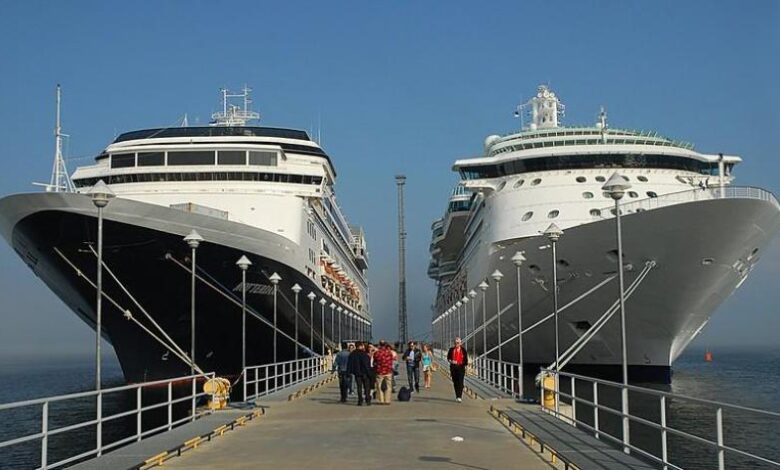
Containment efforts are underway globally. Thirty passengers from 12 countries disembarked from the MV Hondius following the first fatality on April 24. An expert from the WHO, an official from the European Centre for Disease Control, and two Dutch public health experts are currently onboard the vessel. The United States and Argentina, both of which left the WHO earlier this year, are collaborating closely with the organization to track the outbreak. All countries involved have been responsive to contact tracing protocols.
Public health guidelines indicate that individuals who were aboard the ship should monitor themselves for symptoms for six weeks, which is the outer limit of the hantavirus incubation period. Self-isolation is not required unless symptoms develop. Abdirahman Mahamud, head of health emergency alert and response operations at the WHO, stated that the current situation “feels quite familiar to the 2018 outbreak in Argentina.” Given the experience of member states and the actions taken, officials believe it should not lead to subsequent chains of transmission in the general population.
Despite the severity of the illness, the WHO assesses the overall public health risk as low. More cases may be reported in the coming weeks as the incubation period concludes, but the limited transmission potential of the Andes virus suggests the outbreak will remain contained rather than evolving into a widespread epidemic.