In response to the disaster, the U.S. Department of State activated the Los Angeles County Fire Department’s international urban search and rescue team, designated as USA-02. The 10-member unit has been deployed to Panama to assist in rescue operations, marking the third international deployment for the team this year. Additionally, the department’s larger 79-member international USAR Heavy Rescue Team has received notice that it may also be deployed to support the ongoing response efforts.
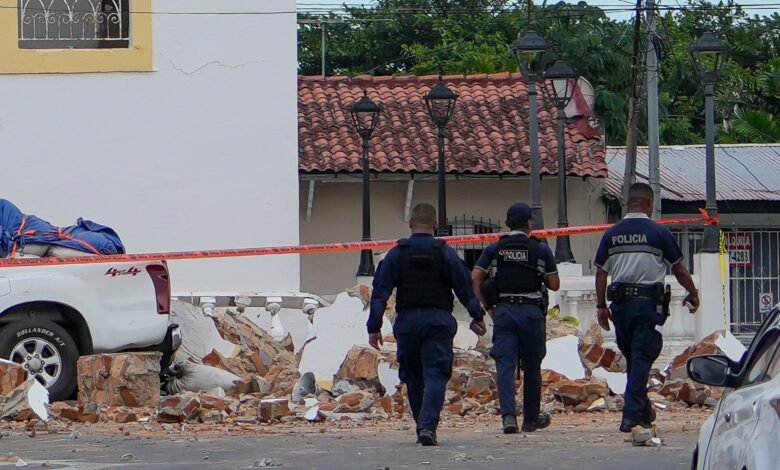
As of Friday evening, Panamanian President José Raúl Mulino stated that no deaths or injuries had been reported. However, he cautioned that these figures could change rapidly as assessments of the damage continue in remote areas. The relatively light human toll, despite the significant magnitude of the quakes, has been attributed by seismologists to the country’s strict building codes, particularly those governing the construction of skyscrapers and other high-rise structures in urban centers.
Seismic Context and Unexpected Location
Panama is situated on the “Ring of Fire,” a 25,000-mile loop around the Pacific Basin known for hosting the world’s most intense earthquake and volcanic activity. Despite this geographic reality, Allan Husk, a seismologist at the California Institute of Technology, noted that the specific location of the 7.7 magnitude quake was unexpected. “The rupture itself was about 50 miles long, so it’s a very long rupture,” Husk explained. “It was across one of the peninsulas of Panama. It was away from Panama City, so Panama City is the major population center.”
The positioning of the epicenter in a less densely populated region likely contributed to the absence of immediate mass casualties. This outcome stands in stark contrast to recent seismic disasters in neighboring countries. In June, Venezuela was struck by two back-to-back earthquakes measuring 7.2 and 7.5 in magnitude, which resulted in more than 6,500 deaths and left 17,000 people homeless. Similarly, in August, a 7.4 magnitude earthquake in Colombia killed at least 289 people. The USA-02 team responded to both of those crises earlier this year.
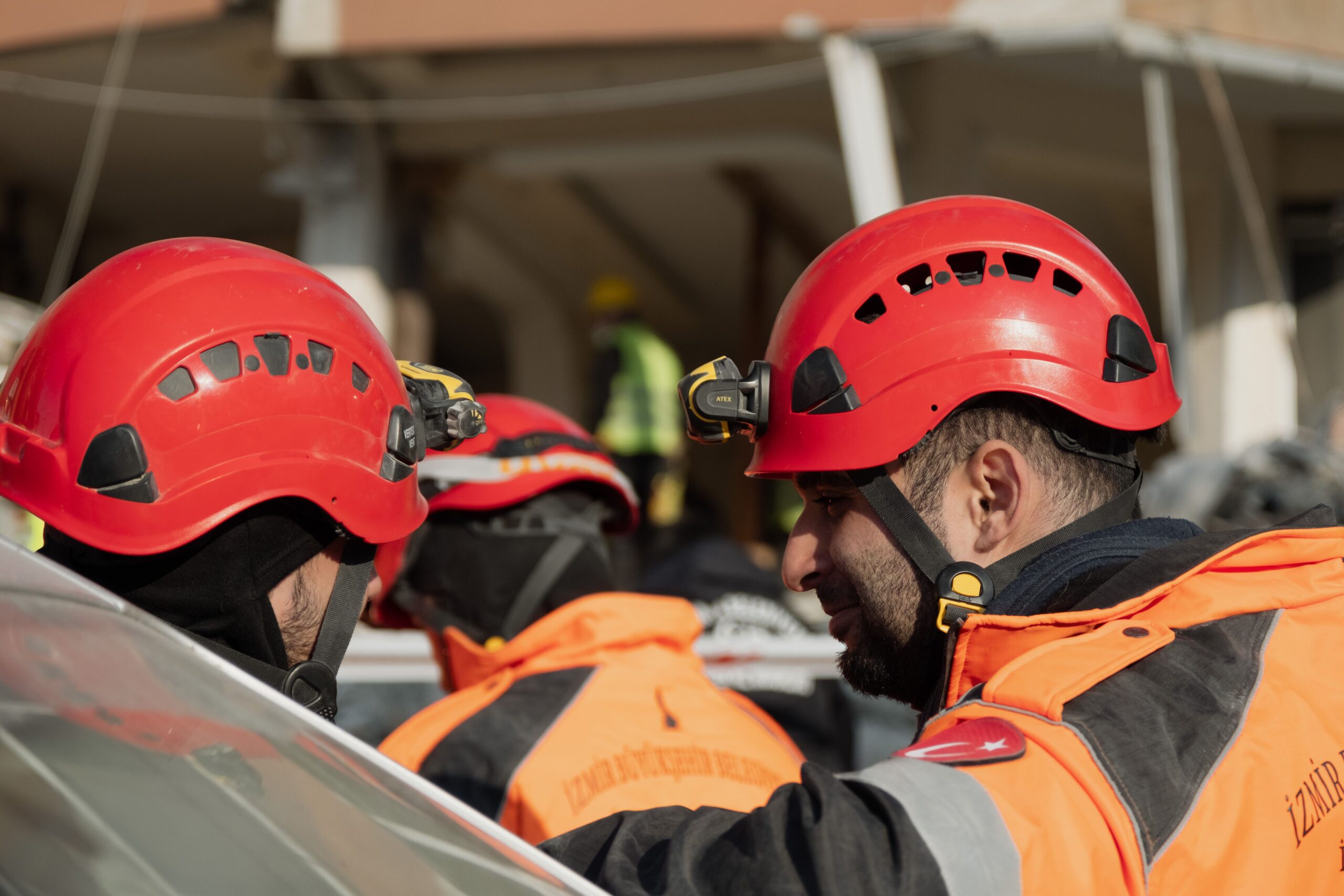
“Our thoughts are with all those impacted by this devastating earthquake, and we wish all the first responders responding safe travels as they assist during this time of great need,” the Los Angeles County Fire Department said in a statement.
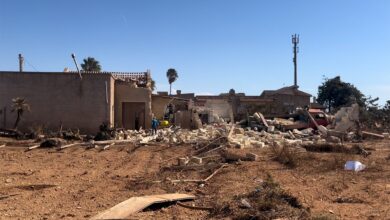
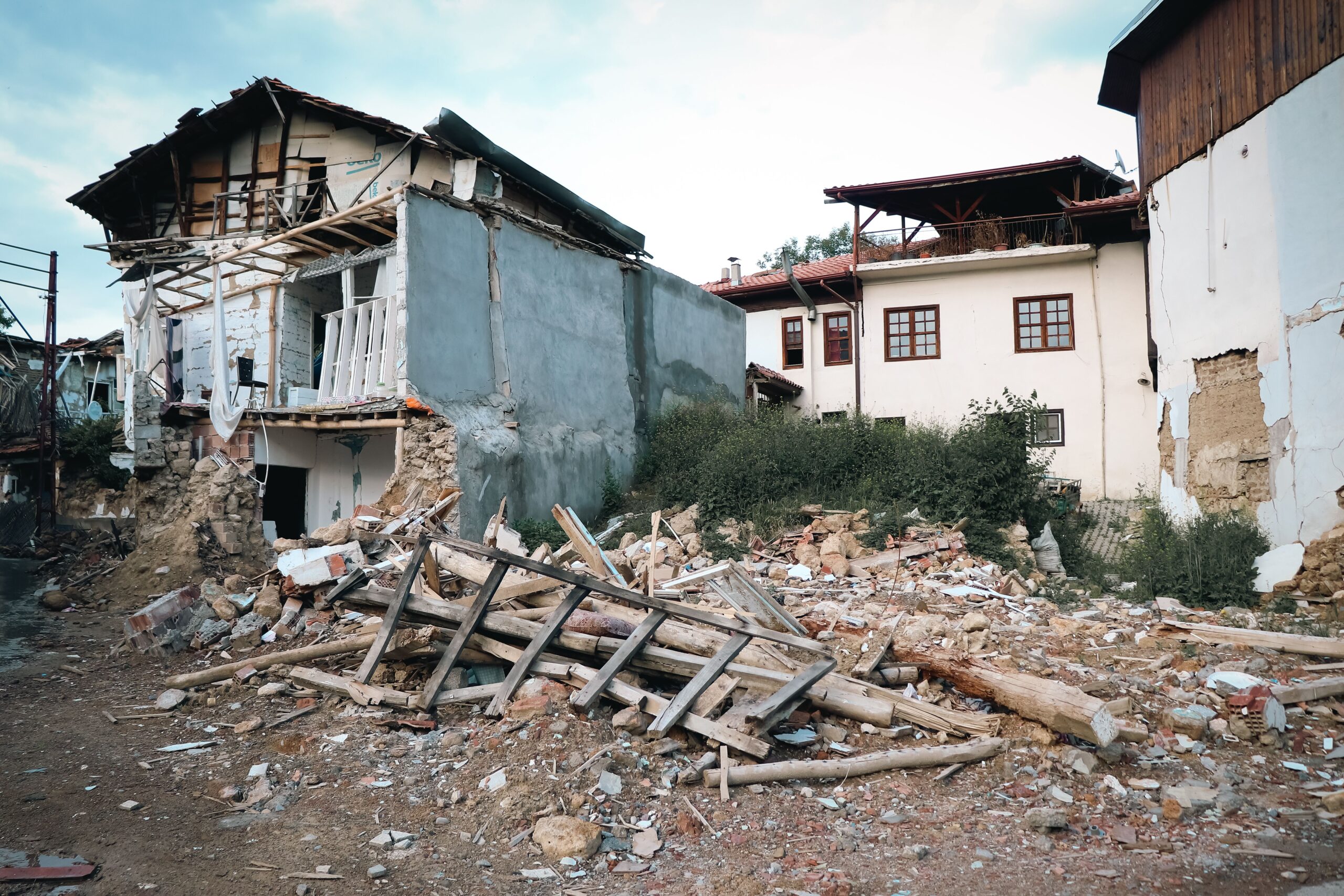
The current deployment underscores the ongoing vulnerability of Central American nations to tectonic activity. While the immediate human cost appears lower than in previous regional disasters, the structural damage to buildings in the Pitaloza Arriba area necessitates heavy rescue operations. The activation of USA-02 and the potential deployment of the heavier rescue team indicate that the situation is being treated as a significant international emergency.
As rescue teams arrive in Panama, the focus remains on assessing the extent of the damage in the remote peninsula where the rupture occurred. The long 50-mile rupture line suggests substantial energy release, and continued monitoring of aftershocks is essential to ensure the safety of both responders and local residents. The coming days will determine whether the initial report of zero casualties holds as search operations extend into more difficult-to-reach terrain.