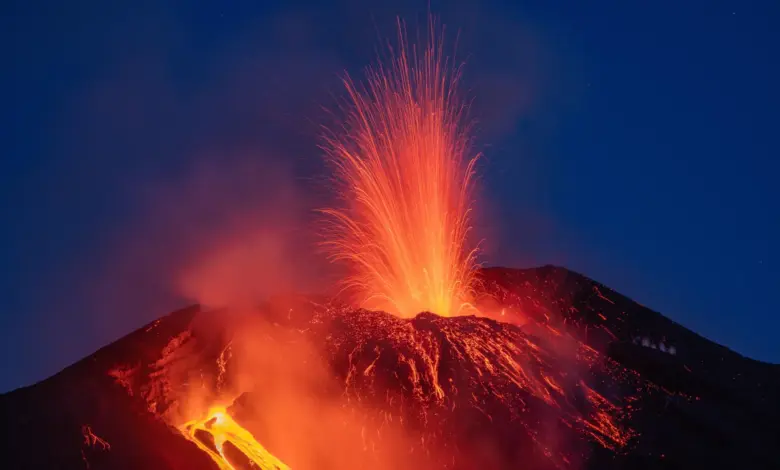
A Cornell-led research team, led by Esteban Gazel, the Charles N. Mellowes Professor in the Department of Earth and Atmospheric Sciences, reconstructed the mechanisms behind two major historic eruptions of Mount Etna. The study, with first author Maxim Gavrilenko, demonstrates that magma does not always behave consistently, even in the same volcano. In one reconstructed scenario, magma lingered near the surface for weeks; in the other, it raced upward from nearly 30 kilometers deep in a matter of hours. This divergence in speed and pathway is attributed to the specific roles played by volcanic gases, specifically carbon dioxide and water.
Understanding the explosivity of a volcano depends on factors such as the viscosity of the magma and the amount of volatile material trapped within it. Volatiles are gases that separate from magma as pressure changes during ascent. Gazel uses the analogy of a soda bottle to explain the process: if the bottle is opened without agitation, the liquid flows gently; if shaken, the bubbles separate rapidly, causing an explosive release. “Volcanoes work in a similar way, and my lab is trying to quantify these processes,” Gazel said. For decades, the geological community considered water to be the primary volatile driver of eruptions. However, recent work by Gazel’s group, including a 2023 finding, established that carbon dioxide can also trigger explosive volcanic activity.
To distinguish between these drivers, the researchers employed a technique they pioneered using Raman spectroscopy. This method allows scientists to examine crystals formed inside magma and measure microscopic gas bubbles trapped within them. These bubbles are extremely small, roughly 1 to 10% the thickness of a human hair. By measuring the density of the carbon dioxide within these bubbles, the team could calculate the pressure at which the crystals formed, and subsequently determine the depth of the volcanic plumbing system. Gavrilenko noted that this approach allows for the reconstruction of the volcanic system with “unprecedented precision.”
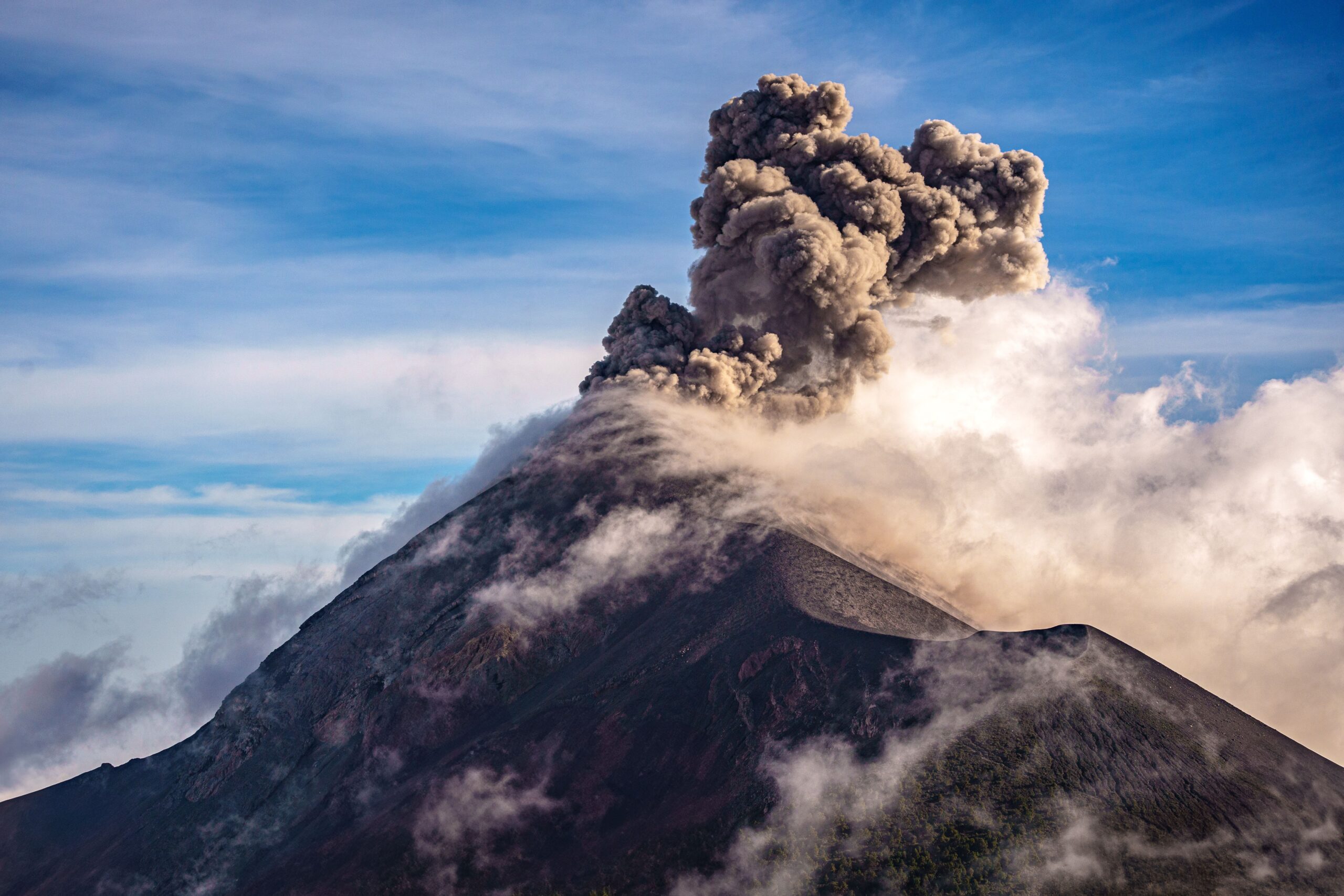
The team selected Mount Etna for this study because it represents a relatively “gentle giant” in volcanic terms, yet it has a history of aggressive explosions. One of the largest eruptions on record occurred in 122 B.C. This event was classified as both “mafic,” characterized by low-viscosity magma rich in magnesium and iron, and “Plinian,” the most explosive category of eruption named after Pliny the Elder, who described the eruption of Mount Vesuvius in 79 A.D. The study focuses on how different volatile compositions led to different outcomes in such historic events.
The findings suggest that the specific combination and behavior of water and carbon dioxide determine whether magma moves slowly or rapidly toward the surface. In one case, the gas dynamics allowed the magma to accumulate and move slowly, while in the other, the rapid separation of gases drove a fast ascent. This distinction is critical for risk assessment. By identifying which volatiles are dominant in a given system, geologists can better estimate the likelihood and intensity of future eruptions. The research moves beyond general models of volcanism to provide a more nuanced understanding of the “plumbing” that feeds these systems.
While the study focuses on historic eruptions to simplify the analysis of volatile-driven processes, its implications for modern monitoring are significant. Etna’s recent activity, including the August eruption and the tragic death of a hiker, serves as a reminder that the volcano’s behavior is dynamic and can shift rapidly. Authorities have restricted access to large areas of the volcano in response to recent activity, reflecting the ongoing need to balance public safety with the complex nature of volcanic hazards.
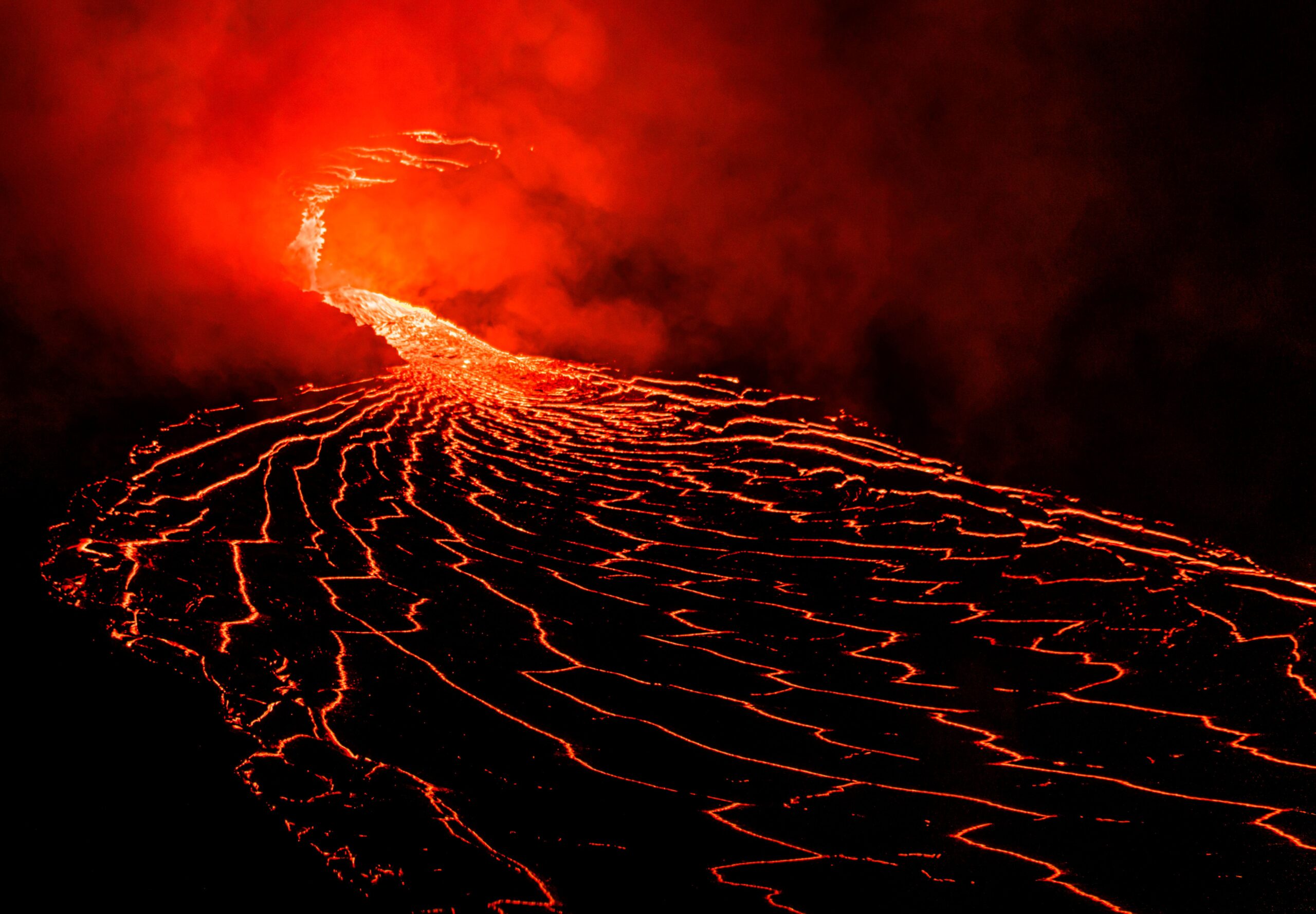
The research contributes to a growing body of evidence that carbon dioxide is a key player in volcanic explosivity, challenging previous assumptions that focused primarily on water. By refining the techniques used to measure these volatiles in minute crystal bubbles, the team provides a tool that can be applied to other volcanoes. As climate and environmental monitoring capabilities advance, the integration of such precise geochemical data into risk models allows for more accurate predictions. The study does not attribute the recent 2024 activity to the same specific mechanisms as the historic 122 B.C. eruption, but it provides the analytical framework to distinguish between slow-building and rapid-onset volcanic events in the future.
For now, the focus remains on the immediate safety of the regions surrounding Etna, where airport closures and restricted access zones remain in place. The scientific work continues to unravel the complexities of the volcano’s interior, aiming to transform the unpredictable nature of eruptions into manageable risk assessments. The next step in this line of research will involve applying these spectroscopic techniques to more recent eruptions to validate the models against current data, further bridging the gap between historical reconstruction and real-time hazard prediction.