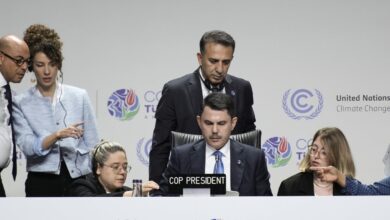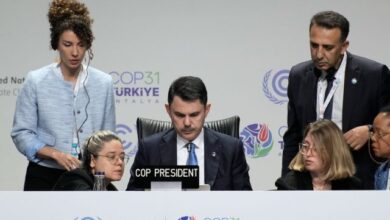
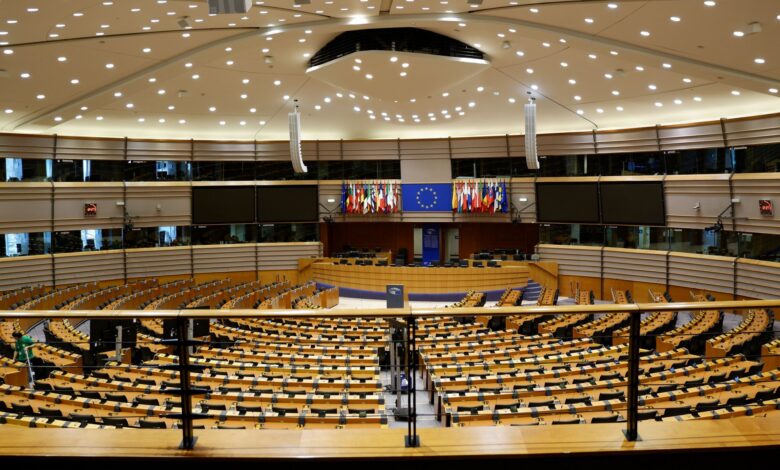
The core of the breakdown lies in the content of the proposed agreement. The UK and the European Union formally rejected the draft pact, characterizing it as a document that “failed to meet the moment.” A primary point of contention, as highlighted by the Guardian, is that the text did not explicitly mention fossil fuels. This omission has been a critical flashpoint in recent climate diplomacy, where the phase-down of fossil fuel combustion is seen by many nations as essential to limiting global warming. By excluding this language, the deal failed to satisfy the requirements of major industrialized blocs, leading to its rejection.
Political commentary surrounding the collapse suggests that geopolitical interests have undermined scientific imperatives. The Metro reports that oil-rich countries have been “accused of hijacking a deal to unite the world and fight climate change.” This narrative points to a divergence between nations with significant hydrocarbon exports and those seeking rapid decarbonization. The Independent describes the closing session as “fraught,” noting that several nations labeled the proposed deal “unacceptable.” The characterization of the event as the “most chaotic yet” underscores the growing difficulty in achieving consensus among the diverse group of 195+ parties involved in the UN Framework Convention on Climate Change.
It is crucial to distinguish between the diplomatic failure of the summit and the physical reality of climate change. The collapse of the talks in Antalya does not alter the observed trends in global temperature, sea-level rise, or extreme weather events. However, it represents a significant policy failure. Without a unified agreement, the mechanisms for financing adaptation in vulnerable regions, setting binding emission reduction targets, and coordinating international environmental standards remain fragmented. The “chaos” reported in the negotiations reflects the widening gap between the scientific urgency—often cited in IPCC assessments—and the political will required to implement costly structural economic changes.
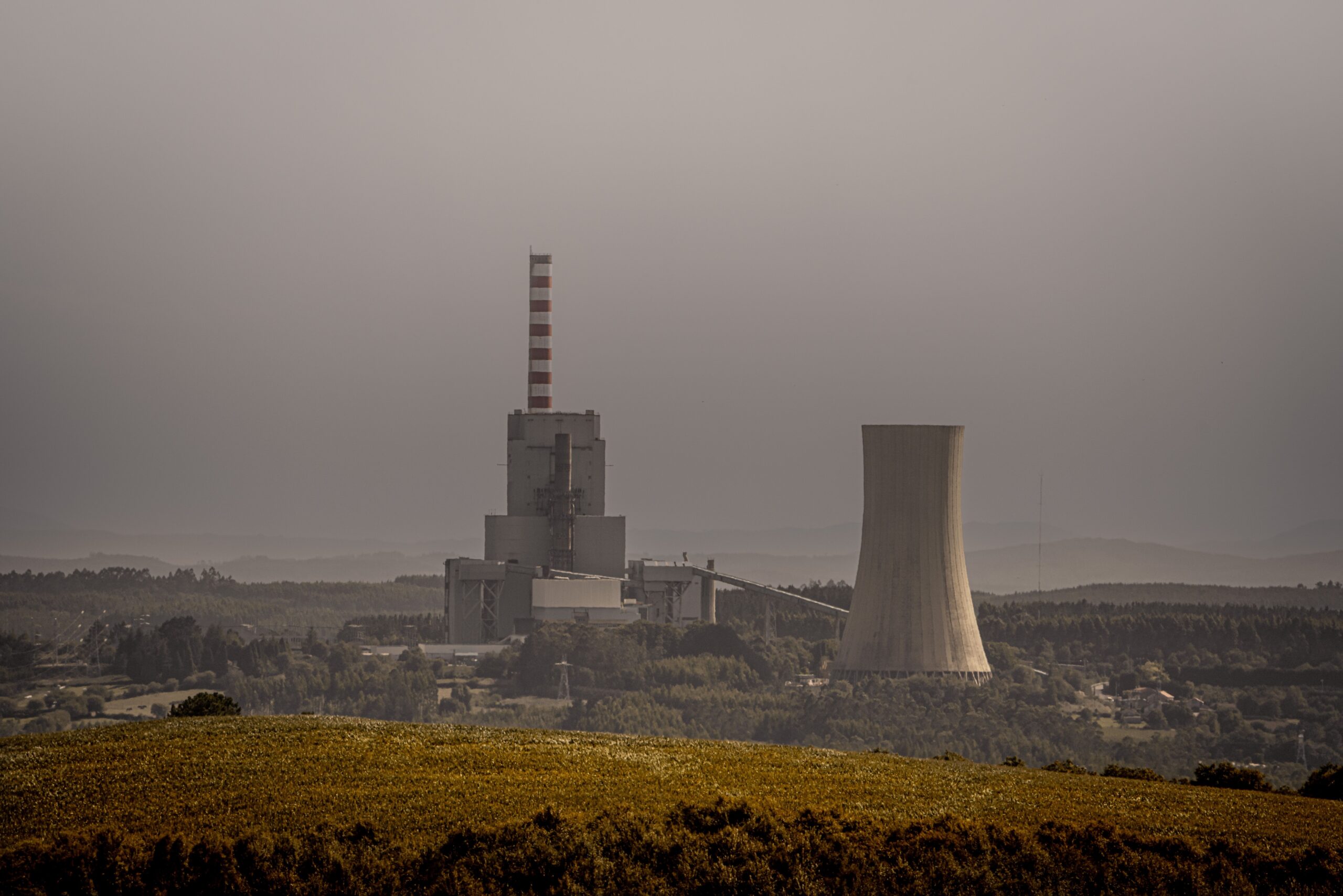
The rejection by the UK and EU is particularly noteworthy given their historical roles in climate leadership. By walking away from the text, these blocs have signaled that vague commitments are no longer sufficient. The absence of specific language on fossil fuels means the deal lacks the measurable pathways necessary to ensure that global emissions peak and subsequently decline in line with the Paris Agreement goals. While the summit has ended, the lack of a signed accord leaves the operational details of future climate cooperation unresolved.
Other major news from the UK press includes significant developments in domestic policy and public health. The i Paper and The Times report on a major review of the UK’s disability benefits system. Led by UK disability minister Sir Stephen Timms, the review has concluded that the current system is “no longer fit for purpose.” New plans are being drawn up to reform how universal credit works, with the aim of helping people into work. The reforms are expected to target individuals claiming health-related benefits who are not currently on employment support services, with payments potentially linked to “real-life needs and costs.” This represents a substantial shift in social welfare policy, affecting millions of citizens and raising questions about the adequacy of support for those with long-term health conditions.
In the realm of public interest and culture, boxer Tyson Fury has made significant personal revelations in a documentary released ahead of his upcoming bout with Anthony Joshua. Fury’s wife, Paris, revealed that he has been diagnosed with schizophrenia. Fury spoke about the “torment” and “darkness” he experienced following a series of family traumas, including the imprisonment of his father and the loss of a baby. The Daily Star also highlighted the birth of a stillborn son to the Fury family. These disclosures bring significant attention to mental health challenges in high-profile individuals.

Economic shifts were also reported, with the Financial Times noting that FTSE 100 catering giant Compass is planning to move its stock market listing to New York. With three-quarters of the firm’s profits generated in North America last year, this move is described as a “blow to London,” reflecting broader trends of UK companies seeking capital in US markets.
Finally, political tensions remain high regarding the UK’s relationship with the European Union. The Daily Mail reported that five former UK Prime Ministers have warned current Prime Minister Andy Burnham against rejoining the EU. Following a deal reached at a recent UK-EU summit, former Tory leaders accused Burnham of making an “‘utterly shameful’ attempt to reopen Brexit wounds.” Additionally, a whistleblower has criticized Burnham for “empty promises” to victims of sexual abuse, alleging a “failure to act” on an inquiry into institutions that failed children.
The conclusion of COP31 without a deal leaves the international community without a new framework for immediate climate action. The next steps will likely involve bilateral negotiations and pressure on host nations to reconvene discussions, but the immediate impact is a vacuum in coordinated global policy. For affected communities, particularly in the Global South, the lack of a unified deal complicates access to adaptation finance and technology transfer, leaving them to navigate the physical impacts of climate change with fewer international safeguards.