
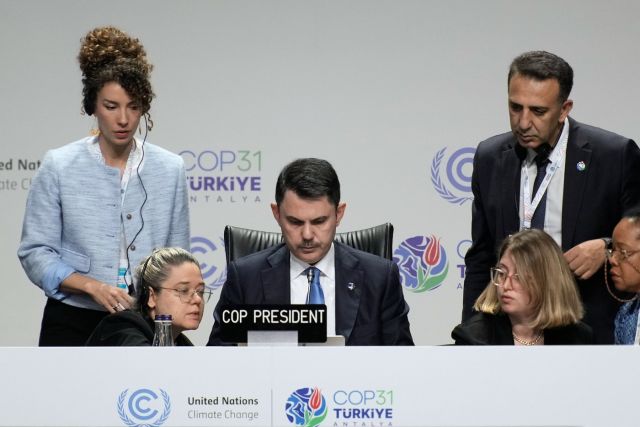
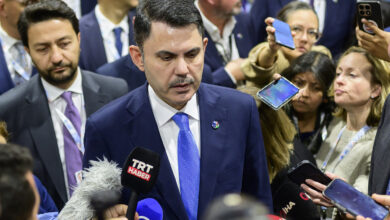
The collapse came after more than two weeks of negotiations that extended two days past the scheduled deadline. Murat Kurum, the COP31 President from Turkey, announced at the closing plenary that no new text would be advanced. “There is nothing to do; we did all that we could. Since there are 196 countries, they will make the decision, and we will respect their decision,” Kurum stated before leaving the stage. He confirmed there would be no new text moving forward, effectively ending the session without a consensus document.
The central point of contention was the inclusion of explicit language regarding fossil fuels. The European Union, along with other nations, rejected the final draft proposed by the co-presidents of Turkey and Australia, deeming it too weak to address the severity of the climate crisis. Darragh O’Brien, Ireland’s environment minister, stated that the EU could not support a climate act that made no reference to fossil fuels or the transition away from them. “It is unconscionable that we would have a climate act that makes no reference to fossil fuel,” O’Brien said. Panama also voiced opposition, citing the text’s failure to address the scale and urgency of the crisis.
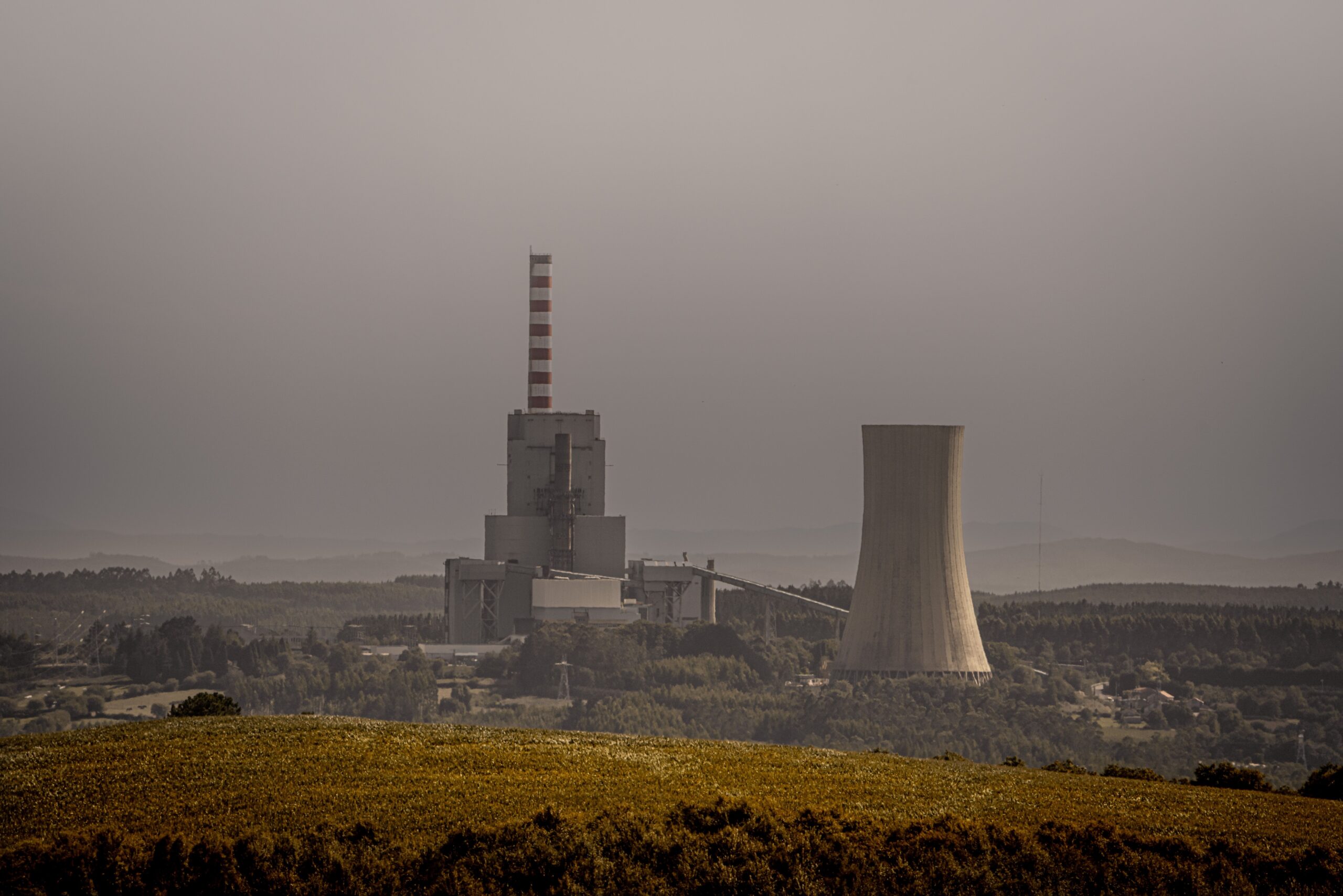
Observers at the venue reported that Saudi Arabia and other major oil-producing nations lobbied heavily for a text that omitted explicit mentions of fossil fuels while emphasizing the development of carbon-removal technologies. This stance created a sharp divide between the Arab group and an EU-led coalition. While scientists note that carbon removal, when combined with steep emissions cuts, is vital for limiting warming, critics argued that the proposed deal prioritized technological solutions over the necessary reduction of emissions sources.
The failure occurs against a backdrop of heightened scientific urgency. This year’s conference was the first held after the UN’s environmental body confirmed in October that global temperature rise is set to exceed 1.5 degrees Celsius, a threshold agreed upon at the 2015 Paris Agreement to be avoided due to intensifying extreme weather impacts. The proposed draft acknowledged this overshoot but called for faster development of carbon-removal technologies to eventually reverse it, a strategy that failed to satisfy those demanding immediate structural changes to energy systems.
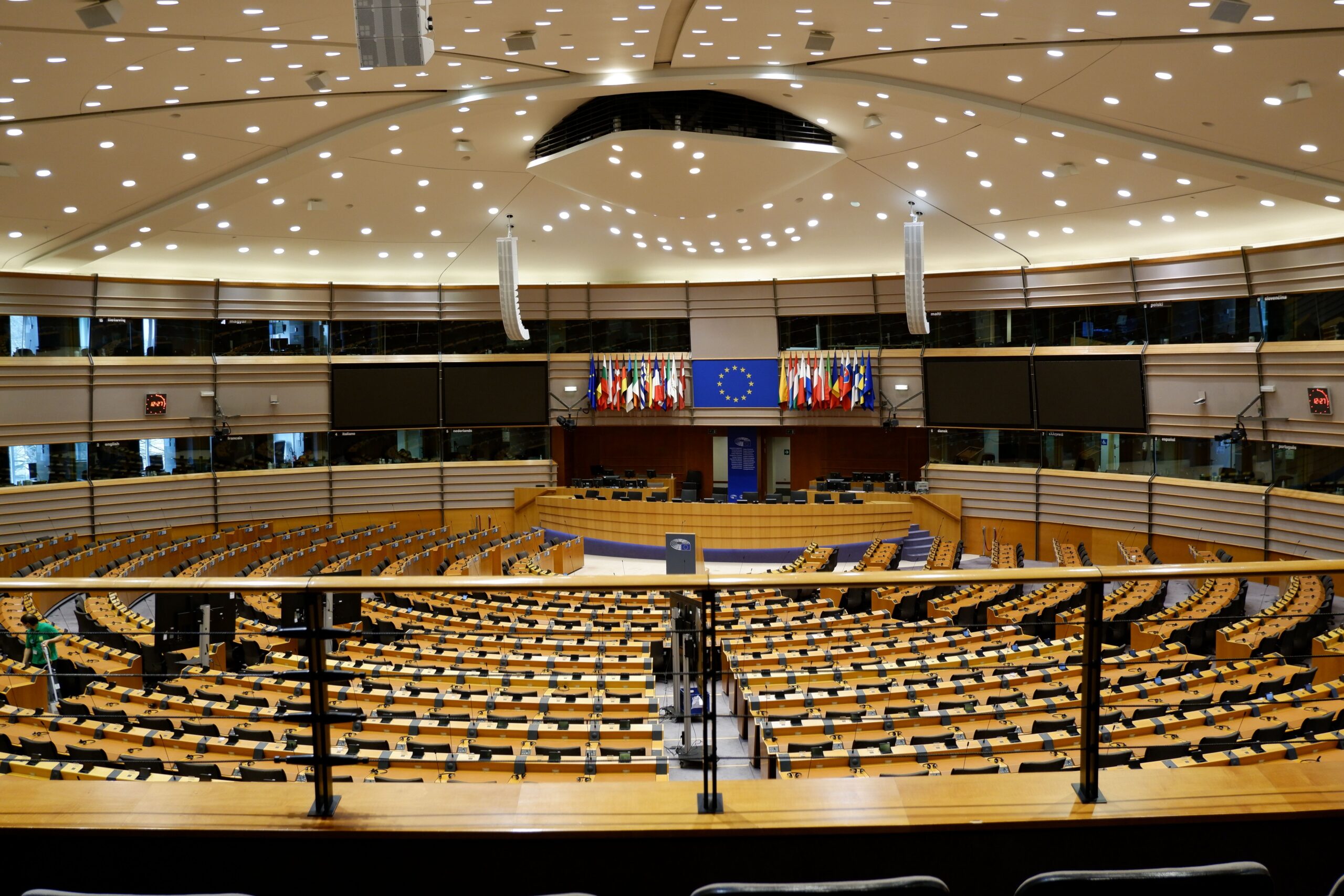
The breakdown in talks highlights how competing global crises, including ongoing wars and public outcry over the cost of living, have diverted political attention from climate action. With no agreement reached, the focus now shifts to how individual nations and blocs will proceed with their own domestic and regional climate policies in the absence of a unified international framework. The next opportunity for a comprehensive global deal remains uncertain, leaving a significant gap in the collective response to the escalating climate emergency.

One Comment