

IMGW spokesperson Agnieszka Prasek confirmed that the latest figures are based on hourly telemetry and operational data rather than standard designated observation times. The institute is currently verifying the data before issuing an official confirmation. The record-breaking readings occurred as IMGW issued its highest, third-level heat warnings for large parts of the country, forecasting temperatures of up to 42 degrees Celsius in some regions during the ongoing severe heatwave sweeping across Central Europe.
In response to the intensifying heat, Polish authorities instructed government ministries to implement immediate measures within their areas of responsibility. Firefighters and police were placed on heightened alert to address increased risks of wildfires and water-related accidents. The Health Ministry stepped up monitoring for heatstroke and dehydration cases, with particular attention to vulnerable populations including the elderly and children. Additionally, the Foreign Ministry was tasked with assisting Polish citizens abroad, specifically those in France and the United States, who are also facing extreme weather conditions.

This event marks the latest extreme weather episode in Poland, following a previous heatwave that shattered national temperature records just weeks earlier. The current heatwave is part of a broader pattern of warming observed in the region. Long-term data from IMGW-PIB indicates that the average annual temperature in Poland rose by more than 2.3 degrees Celsius between 1951 and 2024. The strongest warming was recorded in the Lake District, the Subcarpathian region, and the Carpathians, where increases exceeded 2.4 degrees, while the Sudetes saw the weakest increase at approximately 2.1 degrees.
Scientific interpretation of these trends suggests significant atmospheric changes. Bogdan Chojnicki, a Ph.D. from the Department of Bioclimatology at the University of Life Sciences in Poznań, described a 2-degree temperature increase as a radical change that introduces more energy into the system. He noted that this shift, combined with warm air masses flowing from the south, contributes to the frequency of extreme weather events. These include droughts, heatwaves, and heavy precipitation leading to localized flooding. Chojnicki also highlighted that dry air from Africa reaching Poland is associated with new temperature records.
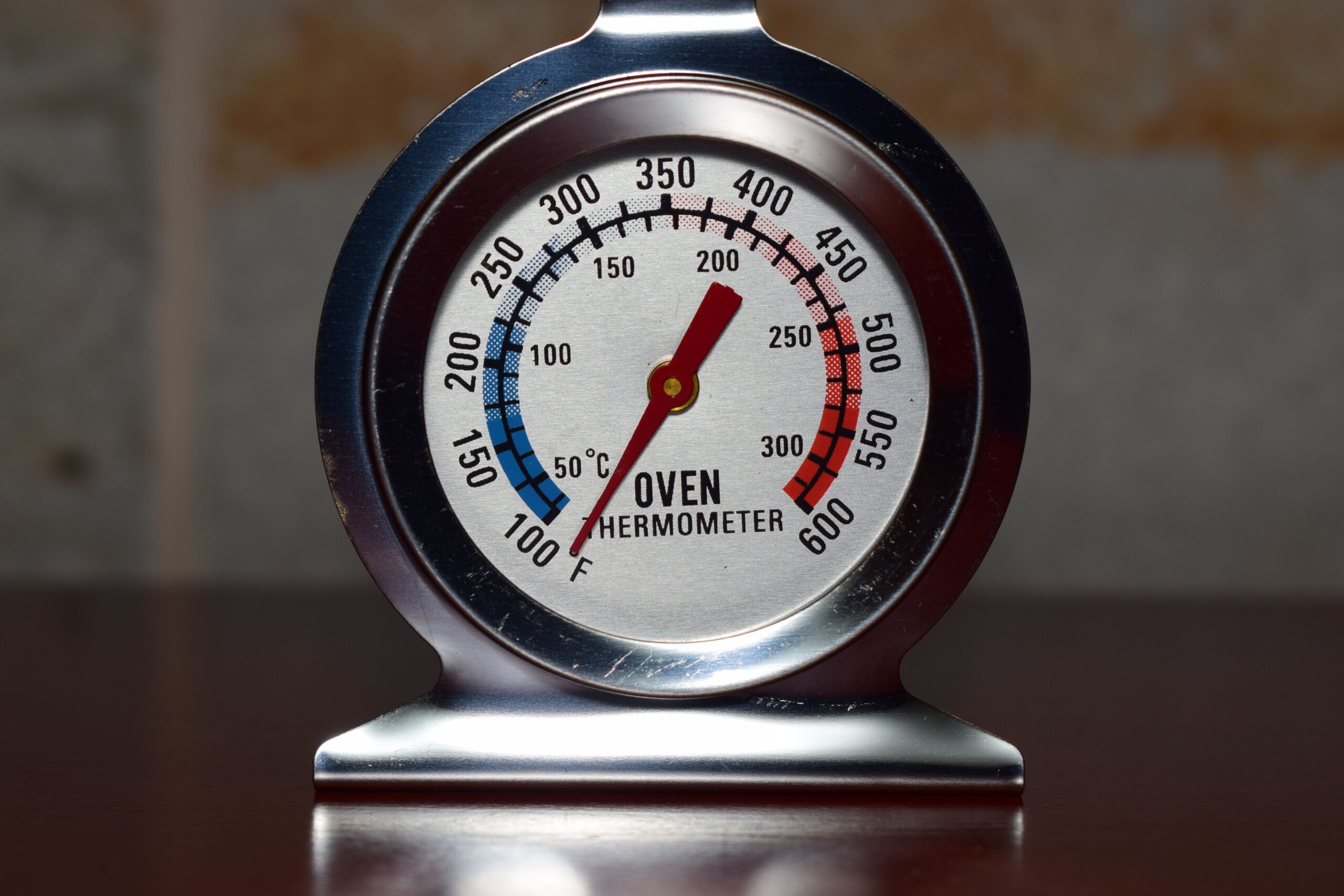
While the immediate threat is the current heatwave, meteorologists have also noted unusual warm spells in other seasons. For instance, forecasts for mid-November indicated temperatures 8 degrees above normal, reaching up to 17 degrees Celsius in many regions. However, such warm periods are typically short-lived, with pre-winter conditions returning by the end of the month. The primary focus remains on the immediate safety measures implemented during the current June heatwave and the verification of the newly broken national temperature record.