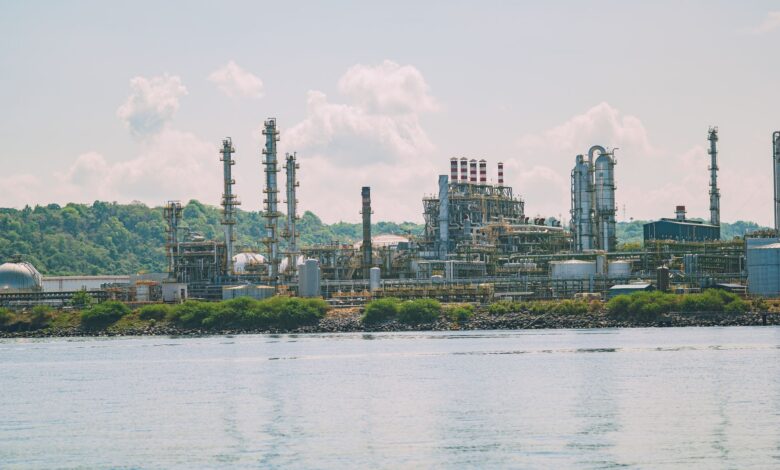
Reports indicated that Saudi Arabia faced fresh security challenges, with specific attention on the safety of its major oil infrastructure. Concurrently, intelligence suggests Iran has adopted new methods to threaten shipping through the Strait of Hormuz, a critical chokepoint for global energy trade. These developments have heightened uncertainty regarding the stability of supply routes from the Middle East.
At the World Petroleum Congress in Riyadh, the second day of proceedings was dominated by discussions on these geopolitical risks. Industry leaders and policymakers addressed the implications of the Aramco attack reports on global oil investment strategies. The congress also focused on the outlook for rising global demand, highlighting the tension between the need for increased production capacity and the current environment of security threats.
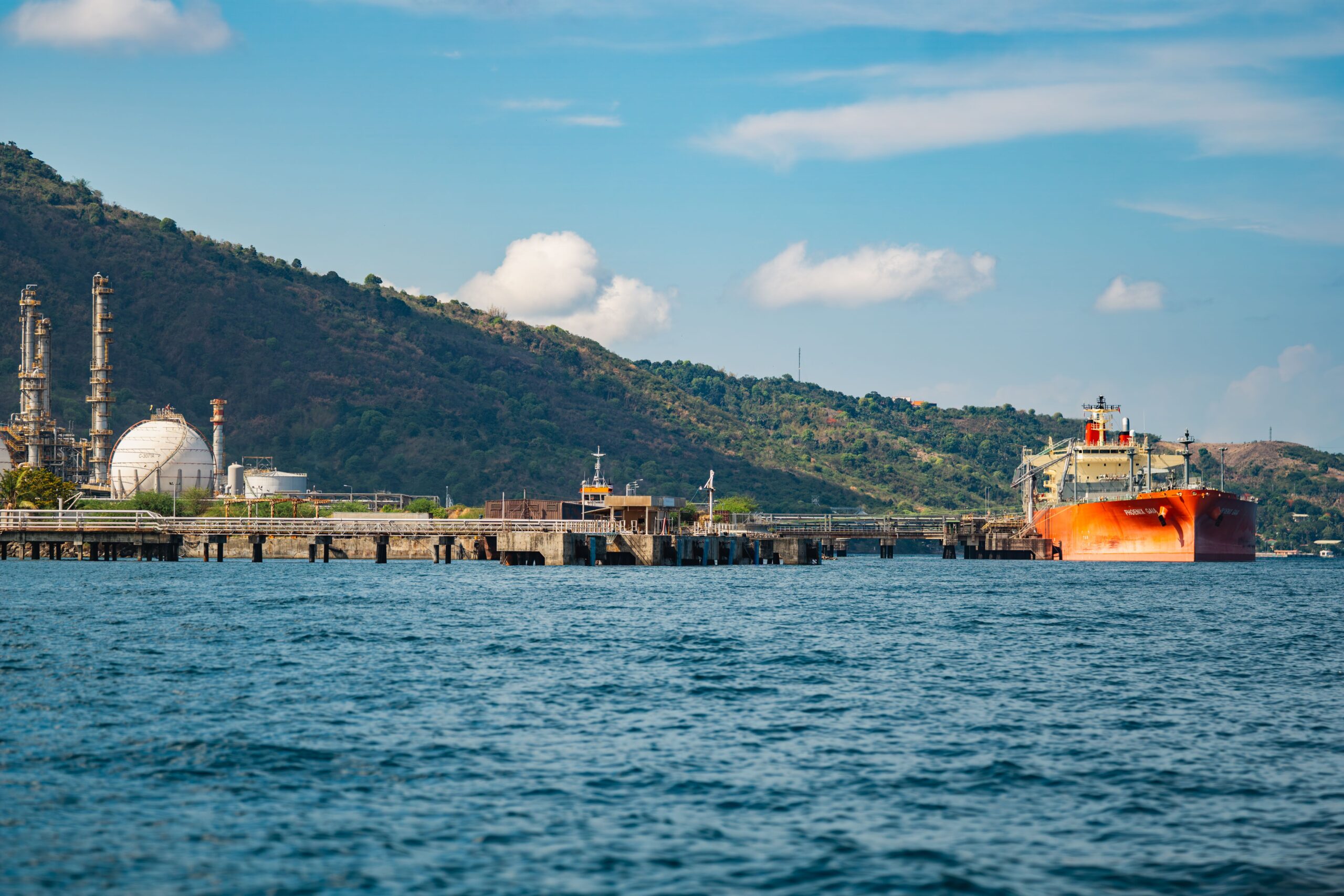
The simultaneous focus on investment and security underscores the dual challenges facing the energy sector. While long-term demand growth remains a key driver for capital expenditure, short-term volatility is being driven by geopolitical instability. Participants at the congress noted that the current tactics targeting tankers and infrastructure require a reassessment of risk management protocols for global energy supply chains.
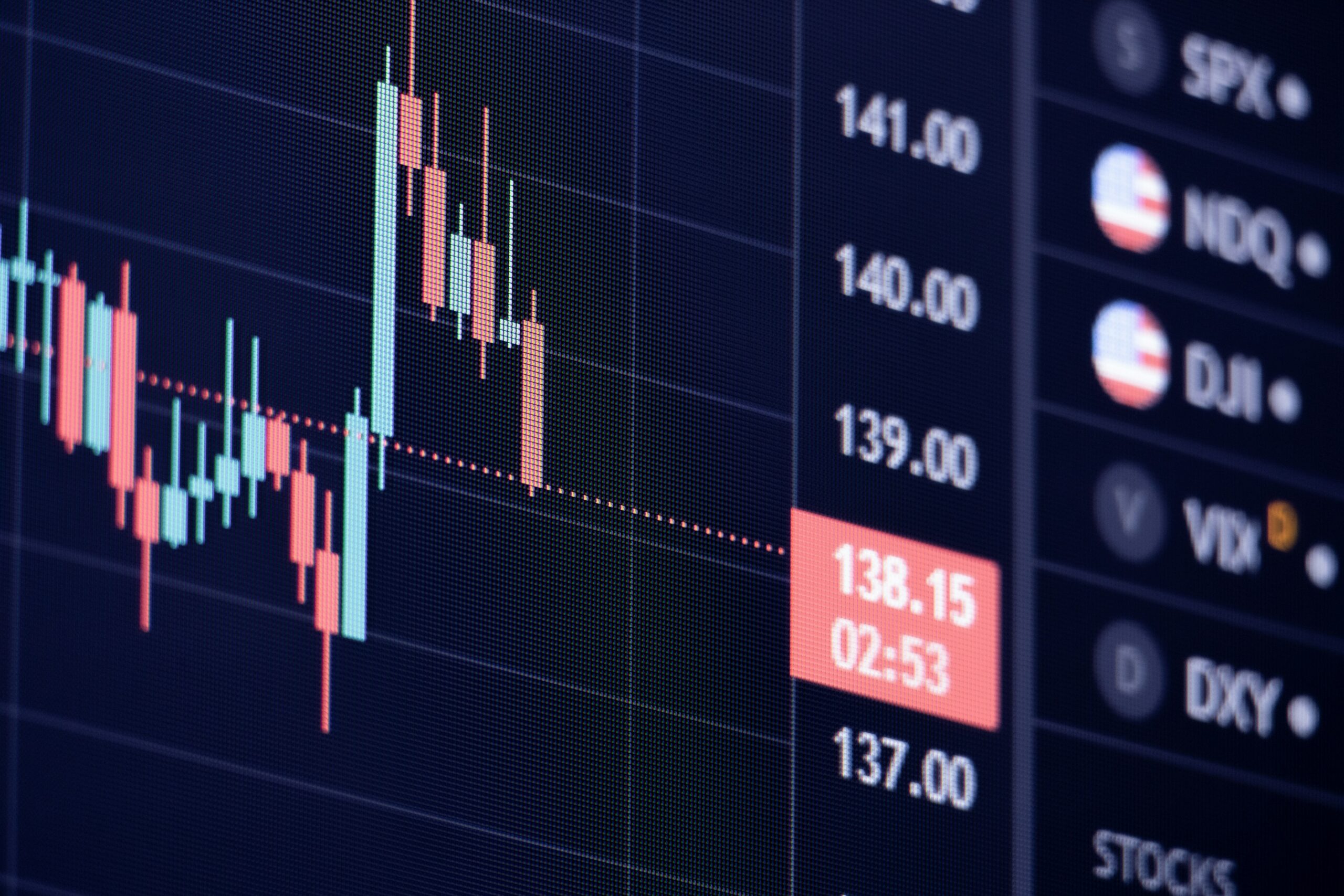
No specific production cuts or official government decisions were announced in the provided reports. The market reaction is described as a gain in prices, driven by the assessment of these security risks rather than a confirmed long-term change in supply fundamentals. The situation remains fluid, with the potential for further escalation in the Strait of Hormuz or additional incidents in Saudi Arabia influencing near-term trading.
The next key developments will depend on official investigations into the reported attacks and any subsequent response from regional actors. Market participants continue to monitor shipping data and official statements for confirmation of the severity of the threats to global oil logistics.