A Strategic Pivot to Renewables
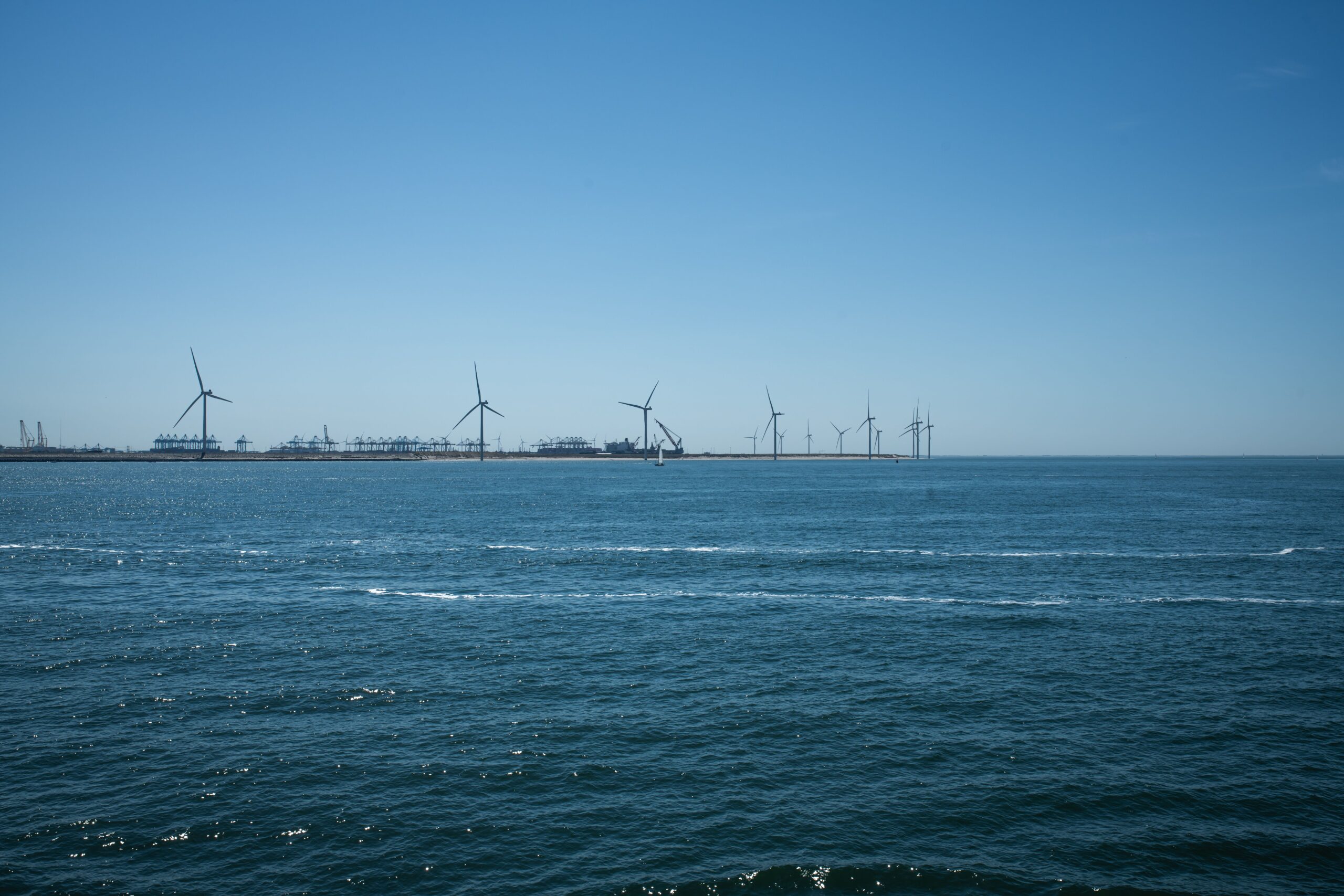
The rise in Orlen’s valuation is underpinned by its aggressive expansion into renewable energy, specifically offshore wind. A key step in this strategy was the recent submission of environmental impact assessment (EIA) reports for the Baltic West project. Located in the waters of the Baltic Sea off the Polish coast, the project envisions a combined installed capacity of approximately 4 gigawatts. Once operational, the facility is expected to supply electricity to over five million Polish households, significantly increasing the share of renewable sources in the country’s energy mix.
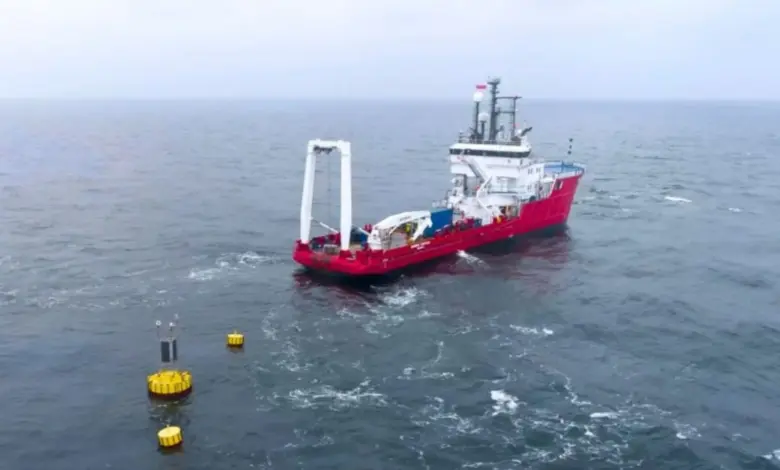
The submission of these documents opens a new administrative stage for the project. Orlen Neptun, the subsidiary responsible for offshore wind development, collaborated with the Polish company MEWO to prepare the reports. The process involved comprehensive observation campaigns using survey vessels and aircraft equipped for aerial imaging. Specialists analyzed various components of the Baltic Sea ecosystem, with particular focus on marine mammals, birds, and benthic organisms inhabiting the seabed. This data collection allowed the technical team to identify potential effects of future wind installations on the natural environment and prepare the documentation necessary for establishing environmental conditions for construction and operation.

However, the submission of the EIA reports does not constitute final environmental approval. Authorities must now evaluate the findings and determine applicable conditions before the project can proceed to subsequent phases. Marcin Sowiński, director of the Baltic West project, noted that while this step allows for progress toward new administrative procedures and necessary authorizations, the execution of the installations remains dependent on the outcome of these evaluations. The company expects first power deliveries to begin in 2034 or later, contingent upon the completion of development and construction phases.
Market Dynamics and Geopolitical Context
The divergence in market value between Orlen and Gazprom reflects broader structural changes in the European energy market. Since 2022, Gazprom has lost significant market share in Europe due to restrictions on Russian gas imports and its own decision to halt gas pipeline deliveries, including to Poland in April 2022. Furthermore, Gazprom has faced increased domestic competition from rival Novatek, whose liquefied natural gas (LNG) exports have captured a larger share of Europe’s remaining imports of Russian gas. The European Union has moved to fully phase out Russian gas imports, with a ban on LNG taking effect from the start of 2027 and a ban on pipeline gas following in autumn of that year.
Orlen’s strategic positioning aligns with these geopolitical shifts. As one of the leading multi-energy and oil refining corporations in Central and Eastern Europe, the group has designated five sites for offshore wind energy with a combined potential exceeding 6 gigawatts. In May 2023, the company obtained the highest ratings from the Polish Ministry of Infrastructure for five concession applications totaling 5.2 gigawatts. Orlen’s broader energy strategy sets a target of reaching 12.8 gigawatts of installed renewable capacity by 2035. The Baltic West project is a central component of this second phase of offshore wind development.
The company’s valuation growth also mirrors Poland’s broader economic trajectory, with the country surpassing Russia in terms of export value for the first time on record. As Orlen transitions from a traditional oil refiner to a diversified energy provider, the successful navigation of administrative hurdles for projects like Baltic West will be critical. The reliability of the grid and the affordability of energy for consumers depend on the successful integration of these new renewable assets. While the environmental reports have been submitted, the path to construction permits remains a procedural challenge that will determine the timeline for adding substantial clean power to the Polish grid.
For the millions of households expected to benefit from the Baltic West project, the delay until 2034 underscores the long lead times inherent in large-scale offshore infrastructure. The current administrative review phase is a pivotal moment; failure to secure the necessary environmental resolutions could stall the project, delaying the contribution of 4 GW of renewable capacity to the national supply. As Orlen’s market confidence grows, the focus now shifts from financial performance to operational execution in the face of complex regulatory and environmental safeguards.