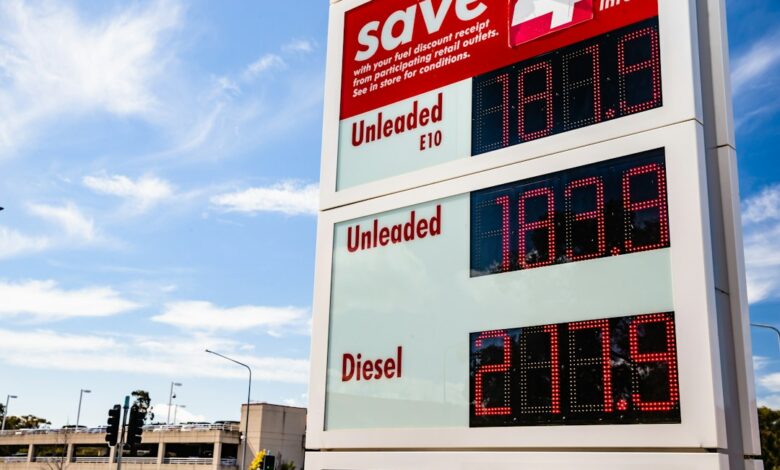
The anticipated price movement follows a previous adjustment that took effect on October 1, during which 93-octane gasoline prices climbed by 39.4 pesos per liter and diesel increased by 95 pesos per liter. Analysts attribute the continued upward pressure to two primary factors: rising international crude oil quotations and the depreciation of the Chilean peso against the US dollar. Chile imports a significant portion of its fuel supply, rendering domestic prices highly sensitive to global market fluctuations and exchange rate movements.
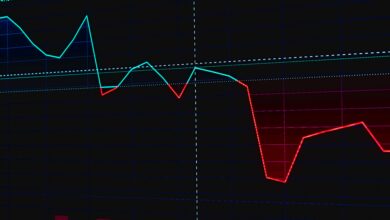
Global oil benchmarks have shown marked volatility recently. According to the Economic Observatory of Diego Portales University, the price of Brent crude rose from $102 to $105.8 per barrel earlier in the week. By Friday, October 16, Brent crude closed at $109.86 per barrel. Concurrently, the Chilean peso weakened, with the average exchange rate hitting 982 pesos per dollar, compared with 978.3 pesos a week prior. This weakening of the national currency directly increases the cost of purchasing imported petroleum products, compounding the impact of higher global crude prices.
Chile’s fuel pricing system operates through the Mepco mechanism, which governs how market-based price differences are passed to consumers. Under this framework, the difference between the market base price and ENAP’s wholesale price is gradually absorbed or released to consumers. Adjustments under the Mepco mechanism occur once every three weeks. ENAP has emphasized that it does not set or regulate retail prices at service stations; rather, final costs for drivers are determined by distributors, leading to potential variations between different filling stations.
The sectoral impact of these increases is expected to be uneven. The projected rise in diesel prices is likely to have the most significant effect on freight transportation and bus services, where fuel constitutes a major operational cost. These increases contribute to broader inflationary pressures, as higher transport costs are often passed on to the price of goods and services. The consistent monthly hikes since July indicate a sustained period of cost-of-living adjustments for Chilean consumers and businesses alike.

The next definitive step in this process is the publication of ENAP’s final calculations on October 21, which will confirm the exact magnitude of the price changes. The new rates are set to take effect on October 22. Market participants and consumers will monitor these official figures to gauge the immediate impact on household budgets and industrial logistics in the coming weeks.