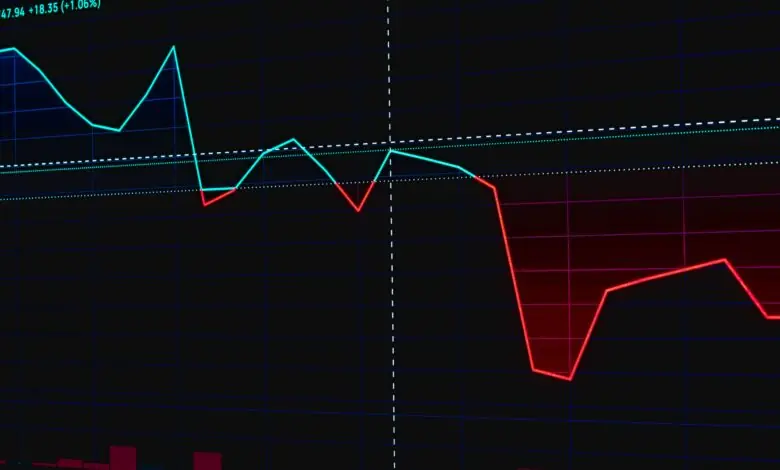
This volatility illustrates the delicate balance between physical supply constraints and geopolitical risk premiums. For the first time since July, Middle East oil markets had indicated that near-term supply was beginning to outpace demand. This shift occurred after a temporary ceasefire between the U.S. and Iran allowed tankers to exit the Persian Gulf through the Strait of Hormuz, a critical chokepoint for global energy flows. The initial price drop this week suggested that traders were pricing in a diplomatic resolution, ignoring Iran’s stated position that all seven of its conditions must be met for a peace deal to be agreed upon. The focus was instead on the mere fact that talks were being held.
However, the WSJ report countered earlier media coverage that suggested President Donald Trump was not determined to resume strikes. In a statement quoted by the Journal, Trump remarked, “We had a war with Iran. We won… I don’t know if you even call it a war because we haven’t been doing any fighting for months.” Despite this public minimization of the conflict, the intelligence of ongoing secret strikes reintroduced a degree of risk premium into the oil price. Tim Waterer, an analyst at KCM Trade, noted via Reuters that the report “flipped the tone” just as markets were starting to assume a more diplomatic path. The immediate financial impact was visible in equity markets; Australian and Chinese airline stocks jumped in response to the earlier 7% plunge in oil prices, reflecting the sensitivity of these industries to fuel costs.
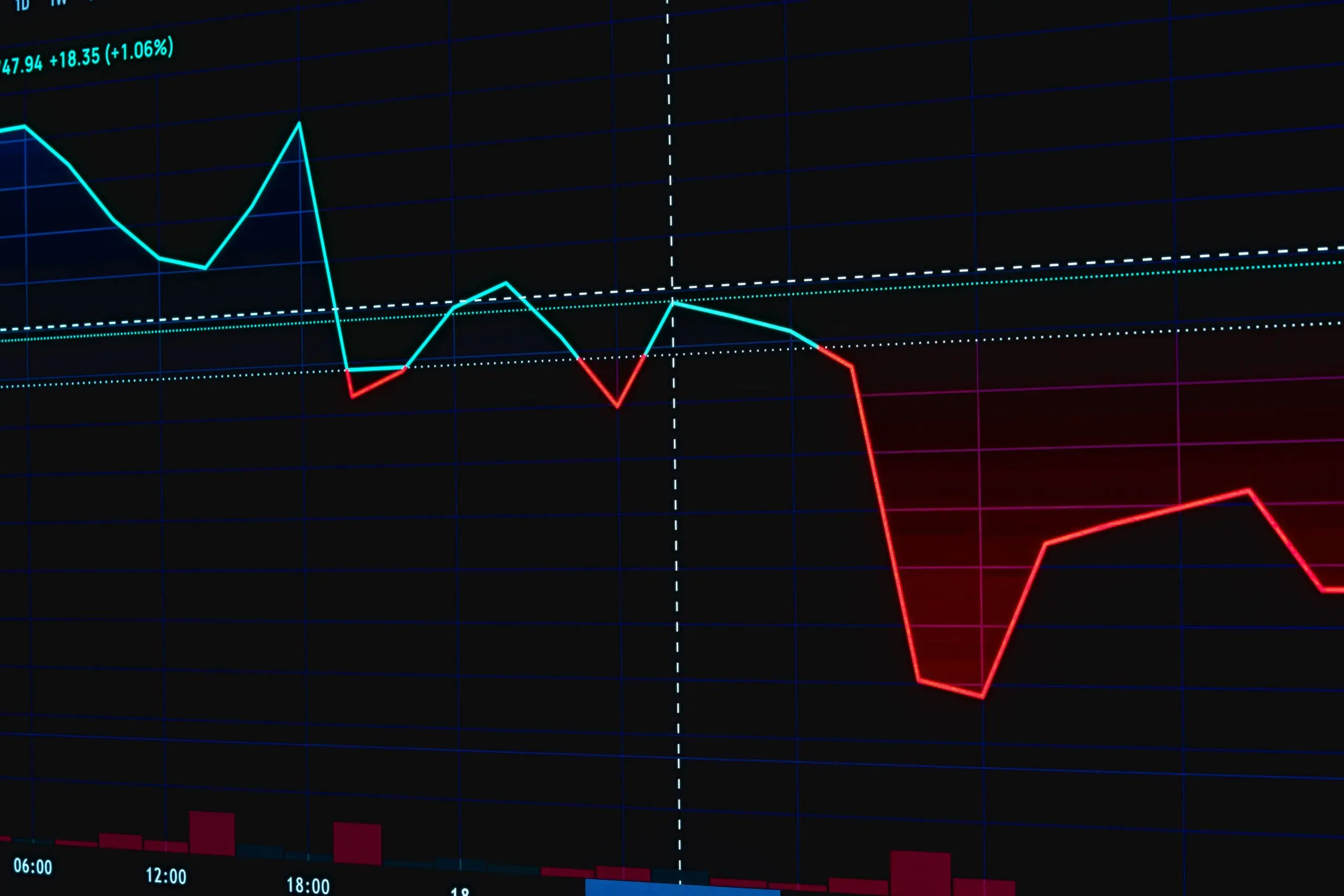
The underlying dynamics of the market remain complex. While the headline strikes on Qeshm Island caused a short-term bounce, analysts suggest that the “war premium” may already be largely factored into current price levels. Priyanka Sachdeva of Phillip Nova observed that unless there is concrete evidence of further disruption to physical supplies or critical energy infrastructure, fresh headlines alone may struggle to sustain another rally. This view contrasts with the immediate market reaction, which treated the reported strikes as a significant negative signal for supply security. The divergence highlights the uncertainty facing investors: is the conflict winding down through diplomatic channels, or are the secret strikes a precursor to a renewed escalation that could halt the flow of oil from the Strait of Hormuz again?
The infrastructure implications of this uncertainty are profound. The Strait of Hormuz remains the focal point of energy security concerns. The prior indication that supply was outpacing demand was a fragile achievement, dependent on the continued safe passage of tankers. Any resumption of broad military activity threatens to undo this balance, potentially leading to a scarcity environment where physical supply, rather than price, becomes the binding constraint. For consumers and industries, this translates into continued volatility in fuel prices, despite the temporary relief seen in the airline sector earlier in the week.
As the market digests the conflicting signals of diplomatic talks and military action, the focus returns to the physical reality of the Gulf. The $105.26 price for Brent crude reflects a market that is hedged against both scenarios: a rapid de-escalation that would see prices fall below current levels, and a renewed conflict that could push them higher. The next verified development will likely hinge on whether the diplomatic talks yield any tangible agreements on Iran’s seven conditions, or if further “limited strikes” are confirmed, providing the concrete evidence of disruption that analysts say is needed to drive a sustained rally. Until then, the energy market remains in a state of high-frequency adjustment, reacting to each new headline with equal measure of hope and caution.