
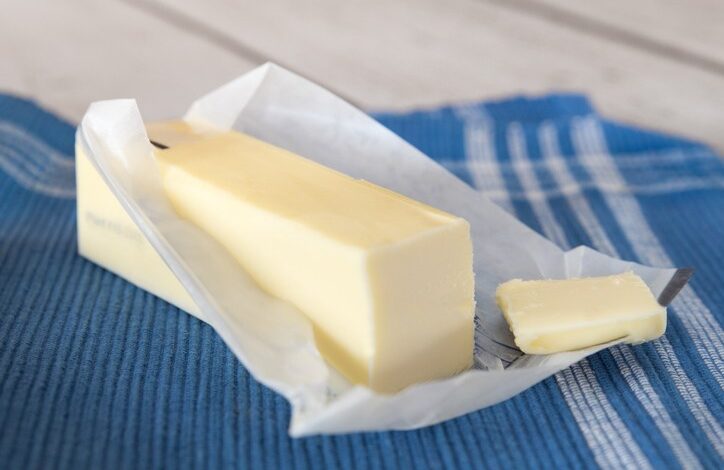
The recalled product can be identified by the UPC 857554005773 and lot code 07871. These packages bear a best-by date of November 5, 2026. The company voluntarily initiated the recall on September 11, and the action remains ongoing. The FDA warns that the contamination involves both biological agents (yeast and mold) and a bacterial pathogen (E. coli), which necessitates the precautionary removal of the product from the market to prevent potential gastrointestinal issues or other health effects associated with such contaminants.
The affected butter was distributed across ten U.S. states: Connecticut, Florida, Georgia, Iowa, Illinois, Indiana, Maryland, New Jersey, New Hampshire, and Wisconsin. This geographic spread indicates a significant portion of the product’s commercial distribution network. Both source materials confirm the scope of the recall and the specific nature of the contaminants, with no discrepancies noted regarding the number of units or the regulatory classification. The consistency between the initial report and the FDA’s risk assignment underscores the verified nature of the contamination findings.
Consumers who purchased the product are advised to check their packages for the specific lot code and UPC listed above. While the FDA has not reported confirmed cases of illness linked to this specific recall in the provided materials, the presence of E. coli and mold warrants immediate discontinuation of use. The recall status remains active, and no further regulatory milestones or trial results are applicable to this food safety event. The primary next step for affected individuals is to dispose of the product or return it to the point of purchase for a refund, as is standard procedure for voluntary Class II recalls.