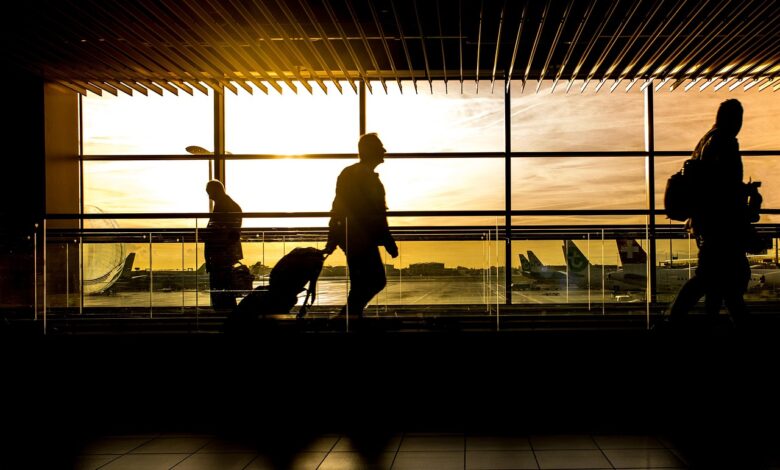
The root cause of the chaos was a communications outage affecting air traffic control centers across the United States. Transportation officials cited “extraordinary circumstances” for the stoppage, which grounded departing flights for more than four hours. Transportation Secretary Sean Duffy, speaking after the stop was lifted on Friday evening, noted that authorities prioritized larger movements and general aviation, leaving smaller movements with lower priority. The FAA’s intervention forced a cascade of schedule changes across multiple conferences, including the SEC, Big 12, Big Ten, and the American Athletic Conference, as teams and officials scrambled to reach their destinations.
For Ole Miss, the travel delay compounded an already difficult week. The Rebels had originally planned to depart Oxford on Friday for their Saturday matchup in Norman. With their charter flight grounded, the team was unable to proceed as scheduled. Unlike some peers who opted for long bus rides, Ole Miss was forced to work through an alternative plan that resulted in the Sunday kickoff. The timing is critical for the Rebels, who enter the weekend at 6-3 following a 42-7 loss to Georgia last Saturday. To keep their playoff hopes alive, Ole Miss must win their remaining regular-season games. The extra day of preparation, while a potential benefit, also means the team must manage the fatigue and logistical strain of a delayed deployment.
The rescheduling did not pass without friction. Roger Denny, the athletic director at Oklahoma, publicly criticized the decision on social media, arguing that the Southeastern Conference had threatened Oklahoma with a forfeit if it did not agree to the change. “Put simply, this decision isn’t fair to our athletes, our institution or to Sooner nation,” Denny stated. The SEC responded that it was aware of the FAA’s actions and that the safety and well-being of student-athletes, coaches, and team personnel remained its highest priority.
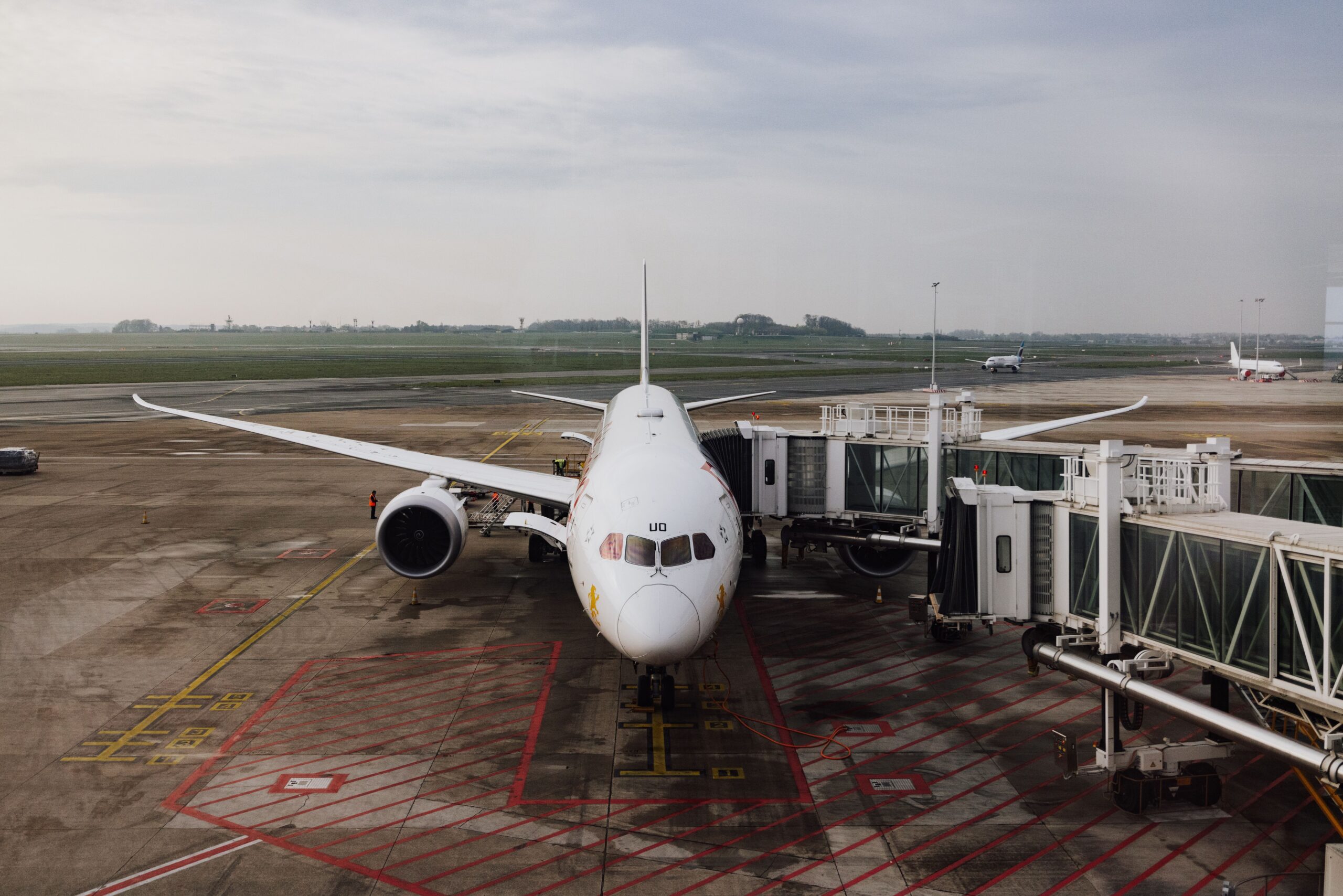
Ole Miss was not the only program affected by the ground stop. The disruption sent ripples through the entire collegiate football calendar. In the Big Ten, the University of Washington’s game against Michigan State was delayed. The Huskies’ chartered flight from Boeing Field was grounded for over six hours, forcing the team to return to campus by bus. Once air travel was restored at 5:15 p.m. PT, the team departed late Friday, arriving in Lansing at 2:20 a.m. To accommodate this, the kickoff against the Spartans was pushed back 75 minutes to 2:30 p.m. PT. Washington, currently 5-4 overall and 2-4 in the Big Ten, faced the prospect of playing a last-place Michigan State team (3-6, 1-5) while dealing with jet lag and sleep deprivation. Washington spokesman Kurt Svoboda confirmed that officials remained in contact with airline partners and that the flight crew stayed in place during the delay.
Other conferences adjusted their slates to mitigate the impact of the delay. In the Big 12, Arizona State’s game against UCF was moved back two hours to 5:30 p.m. ET to allow the Sun Devils time to travel from Arizona to Florida. The conference also switched kickoff windows for the Kansas-West Virginia game, moving it from 5:30 p.m. to 3:30 p.m. ET because Kansas had arrived in time. In the SEC, Auburn’s matchup against Mississippi State was shifted from an 11 a.m. CT kickoff to 3:15 p.m. CT after the Tigers chose to travel by bus to Starkville. The American Athletic Conference also adjusted start times for the Tulane-Rice and Florida Atlantic-Tulsa matchups.
The ripple effects extended beyond football. The University of Washington’s basketball team had its Saturday game at Utah rescheduled to Sunday morning at 11 a.m. due to similar travel complications. In the professional leagues, the NBA and NHL also faced disruptions, with teams searching for hotel rooms and rescheduling flights. The NBA’s Miami Heat, for instance, faced a tight turnaround after a travel delay, though specific details on their game adjustments were less pronounced than the college football shifts.
Despite the widespread disruption, some teams managed to avoid the worst of the chaos. Several programs, including those in the Atlantic Coast Conference, had already departed before the stoppage began. Missouri, flying to face top-ranked Georgia, and Duke, visiting fifth-ranked Miami, were among the teams that left on time. Additionally, the Big Ten confirmed that all of its officials had arrived for their scheduled assignments on Saturday, alleviating fears that referees might be unable to reach their destinations.
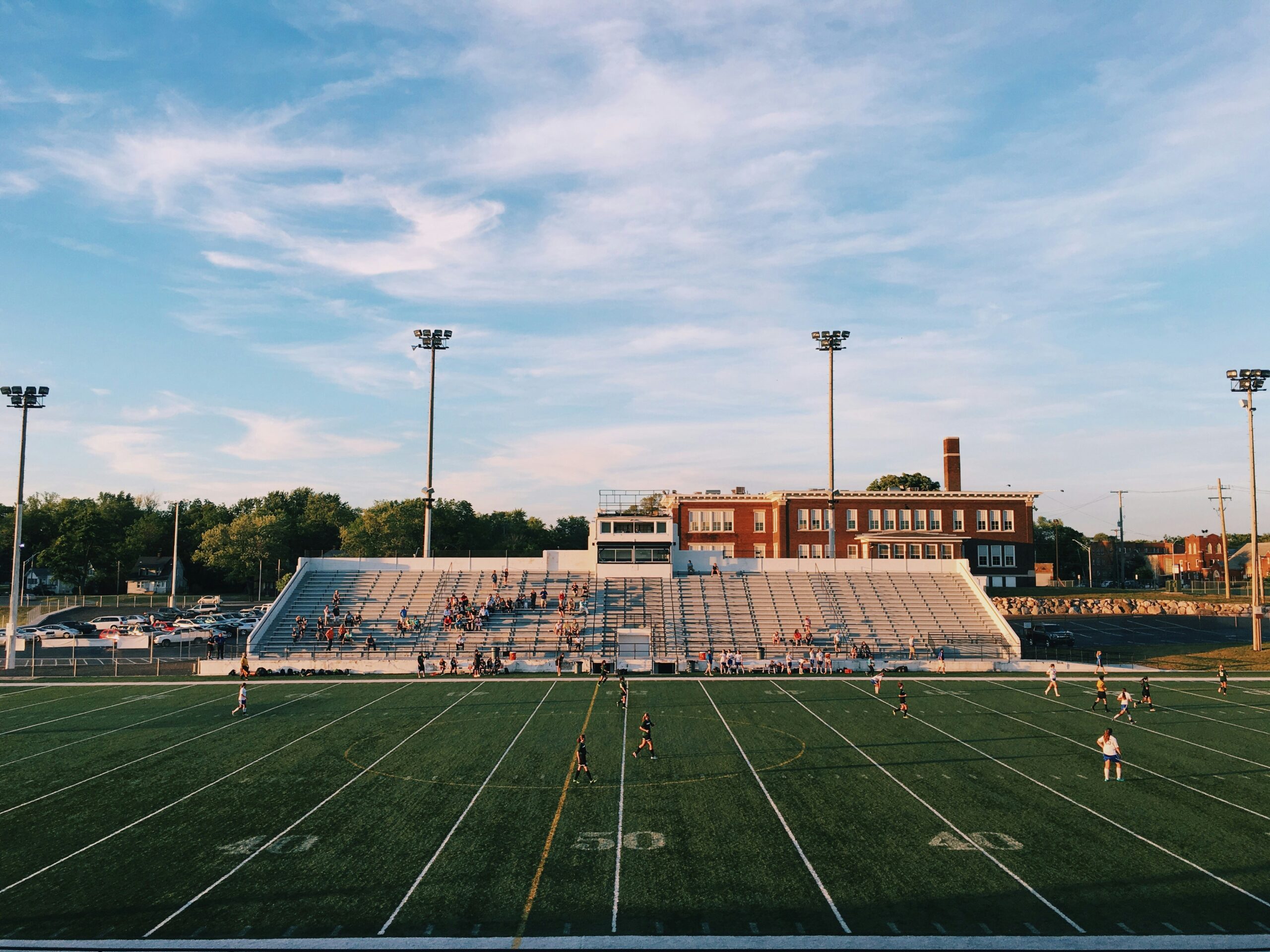
For Ole Miss, the focus now turns to the field in Norman. The team must navigate the physical and mental challenges of a delayed travel schedule while playing in a high-stakes environment. The Sunday showdown represents a make-or-break moment for the Rebels, who need a victory to remain in the conversation for the College Football Playoff. The additional day of preparation may provide a strategic advantage, but it also underscores the fragility of college football’s schedule in the face of national infrastructure failures. As the Rebels prepare to take the field at Gaylord Family-Oklahoma Memorial Stadium, the question remains whether the logistical hurdles of the past 48 hours will translate into on-field performance, or whether the extra time will suffice to reset a program looking to salvage its season.