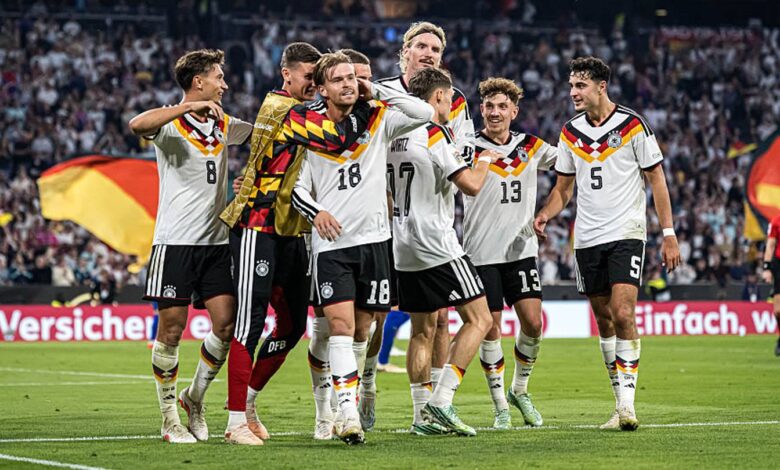
The contest was pivotal for both teams, though the stakes were asymmetric. Germany, sitting third in Group 2 of League A and trailing group leaders the Netherlands and Greece by three points, needed a result to keep its quarterfinal hopes alive. A loss, coupled with the Netherlands avoiding defeat in their Matchday 5 fixture, would have eliminated Germany from the competition and left them in danger of dropping to the second tier. Conversely, Serbia, managed by Veljko Paunović, entered the match as the bottom of the group following four consecutive defeats in their first four group games. Having already lost to the Netherlands twice and to Germany in September, the Serbian side knew that a failure to win against Germany would effectively seal their fate, ensuring demotion to League B regardless of the outcome of their final match against Greece.
Germany’s path to victory in Belgrade built upon the momentum from their previous meeting in Munich, where they had won comfortably 2-0. That earlier triumph, scored by Tom Bischof and Florian Wirtz, was Germany’s sole win in the September-October international break. Entering this fixture, Klopp’s squad was focused on converting that early success into consistent form. The head coach named a 24-man squad for the double-header against Serbia and the Netherlands, emphasizing attacking intent. Key personnel included Niclas Füllkrug, who leads the Bundesliga goalscoring charts and returned to the national team after more than a year away, and Marc-André ter Stegen in goal, who has regained his former level following a serious injury at FC Ajax. In midfield, the Bayern Munich trio of Joshua Kimmich, Aleksandar Pavlović, and Tom Bischof were expected to drive the build-up play, providing the structural stability that had been missing in earlier campaigns.
For Serbia, the competitive context was grim. The team had lost its five most recent competitive matches, marking the poorest form in the group. Their recent results included a 2-1 defeat to the Netherlands on October 4, 2026, a 2-0 loss to Germany, and a 5-1 defeat to Mexico. This run of form left Paunović’s side under considerable pressure, with the necessity of a win not just for pride, but to delay the inevitable administrative consequence of relegation. Despite the disparity in form, the match served as a final opportunity for Serbia to claim a positive result in the group stage, although they could no longer reach the quarterfinals regardless of the scoreline.
The 3-1 scoreline confirmed Germany’s tactical adjustments and improved performance under Klopp. While the previous 2-0 win in Munich demonstrated capability, this victory in Belgrade carried the weight of qualification. The result moves Germany into a strong position for the remainder of the group stage. They will now look to close the gap on the Netherlands, who sit atop the table, and prepare for their final group fixture, a rematch of the Netherlands in Germany. That upcoming match, scheduled for Monday, will be a focal point for Germany as it seeks to solidify its standing in League A.
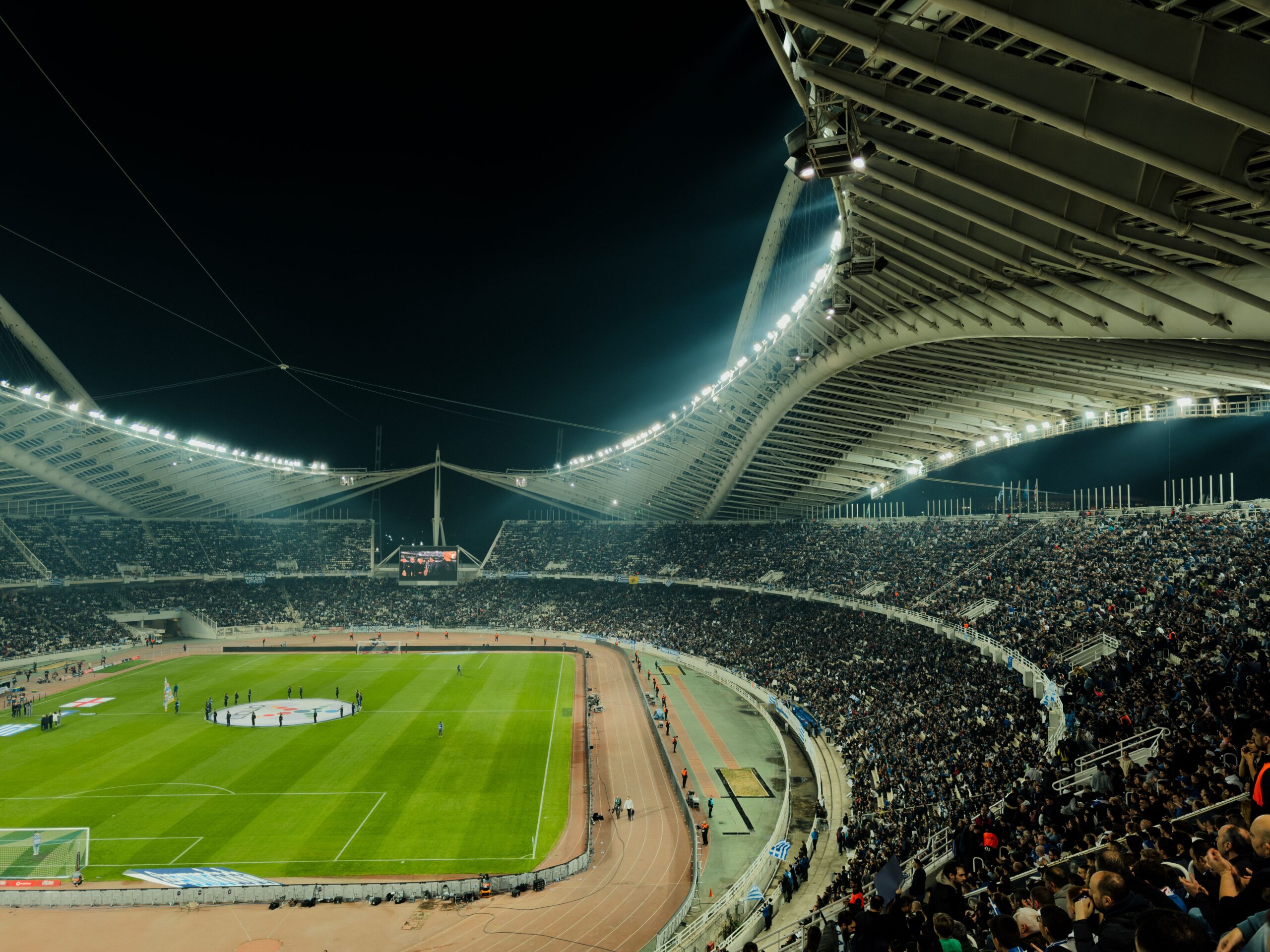
The consequence of this result extends to the broader group dynamics. Serbia’s defeat effectively ends its campaign in League A, with relegation to League B now a certainty. Meanwhile, the outcome also influences the trajectory of Greece, which can clinch a quarterfinal spot with four points from its last two group games. For Germany, the immediate focus shifts to maintaining momentum. The 3-1 win over Serbia provides a necessary boost to confidence after a mixed start to Klopp’s tenure, setting the stage for a decisive final group match against the Netherlands. The quarterfinals remain the primary objective, and with that spot now secured, the squad can approach the final league game with the pressure of survival removed.
The match was broadcast across various international platforms, including fuboTV, ViX, and Tubi in the United States, DAZN and fuboTV in Canada, and Amazon Prime Video in the United Kingdom. The coverage highlights the continued high profile of the UEFA Nations League as a competitive platform for top-tier European national teams. For Germany, the journey from a one-win start to a secured quarterfinal place illustrates the early stages of Klopp’s revolution, which is still in its infancy but showing signs of the attacking and organized football the manager is known for. The 3-1 result stands as a testament to the team’s ability to perform under pressure, marking a crucial turning point in their Nations League campaign.