The central development here is not merely a corporate earnings report, but a signal of fundamental changes in the market dynamics of memory chips. Samsung’s ability to generate such extraordinary revenue underscores the pivotal position memory components hold in modern computing and data infrastructure. The company’s recent statements regarding the memory-chip outlook suggest a sustained period of high demand, driven by the expanding needs of artificial intelligence, cloud computing, and high-performance computing systems. This is not a temporary anomaly but a reflection of structural changes in how technology is consumed and produced.
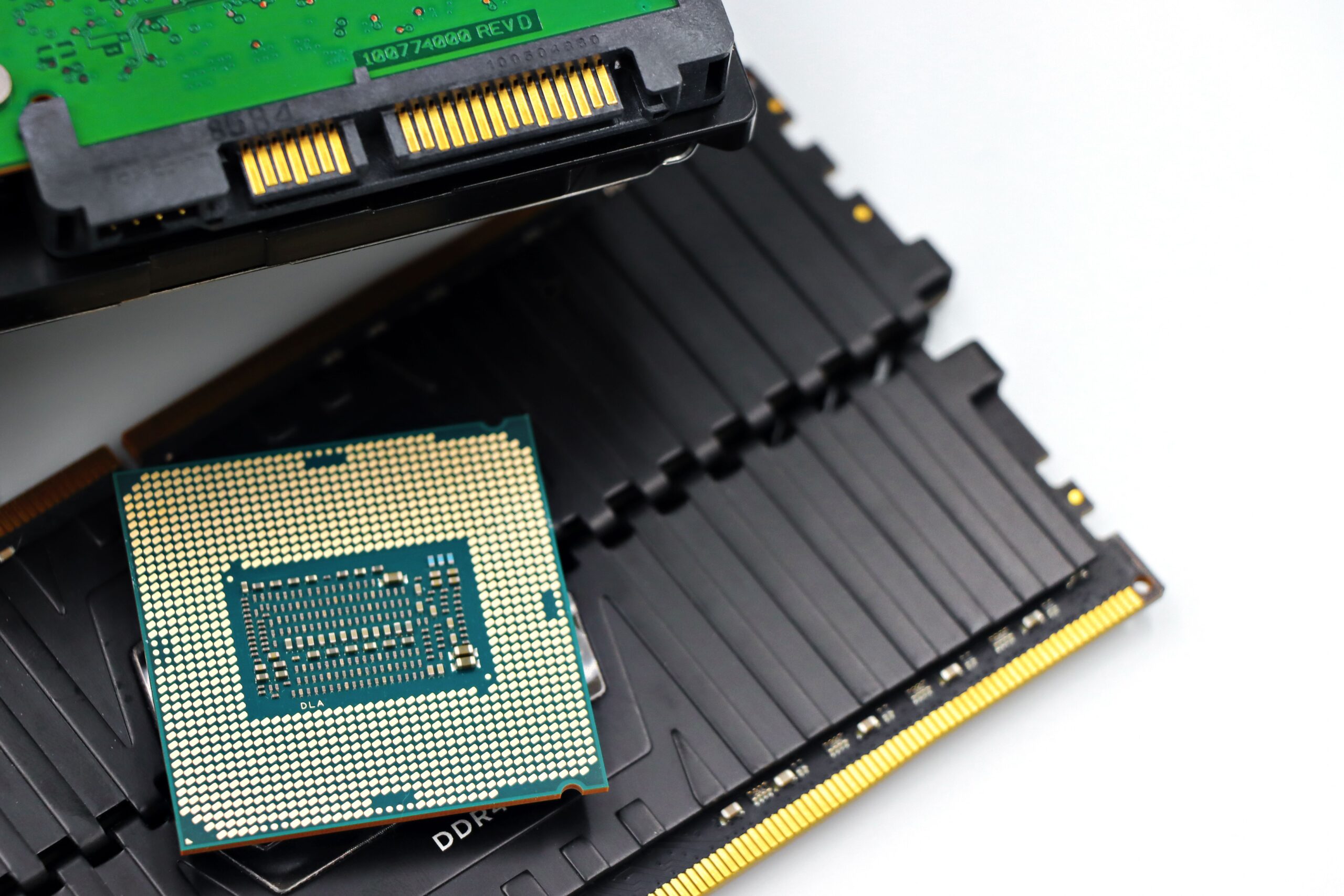
At a technical level, memory chips—specifically DRAM and NAND flash—are the components that store data temporarily or permanently in computers and servers. The complexity and scalability of these chips have reached a point where few manufacturers can meet the global demand. Samsung, as a leader in this field, has capitalized on this scarcity and demand. The technological significance lies in the fact that memory is no longer just a commodity but a strategic asset. The performance of these chips directly impacts the speed and efficiency of data processing, which is critical for AI models and large-scale data centers.
The evidence supporting this claimed performance is the sheer scale of the earnings themselves. While specific technical benchmarks were not detailed in the immediate report, the financial outcome is a direct proxy for market acceptance and necessity. The fact that Samsung’s earnings rival those of two of the world’s largest software and cloud companies combined suggests that the value chain has shifted significantly toward hardware components. This indicates that businesses and institutions are investing heavily in hardware capabilities to support their software and data needs.

However, this dominance is not without limitations. The memory chip market is characterized by high capital expenditure and technological barriers to entry. Not all companies can access the advanced manufacturing facilities required to produce the latest generation of memory chips. This creates a competitive landscape where a few major players, including Samsung, hold significant leverage. For users, developers, and businesses, this means that the availability and cost of memory components can directly impact product development and operational costs. Institutions relying on high-performance computing may face pressure to secure long-term supply contracts with major manufacturers to avoid price volatility.
From a regulatory and competitive standpoint, the concentration of power in the hands of a few semiconductor giants raises questions about market competition and supply chain resilience. The reliance on a small number of manufacturers for critical components like memory chips creates potential vulnerabilities. If production is disrupted, the ripple effects could be felt across the entire technology sector, from consumer electronics to industrial applications. This interdependence highlights the need for diverse supply chains and strategic stockpiling of critical components.
The social impact of this trend is indirect but profound. As memory chips become more expensive or scarce, the cost of technology products may rise, affecting accessibility for consumers and smaller businesses. Conversely, the high demand for memory is driving innovation in chip design and manufacturing, potentially leading to more efficient and powerful technologies in the long term. The privacy and security implications are also noteworthy, as the data stored on these chips is increasingly valuable and sensitive. Ensuring the security of data centers and end-user devices becomes more complex as the volume of data processed grows.
It is important to distinguish between the observed financial performance and the broader market outlook. While the quarter in question was exceptional, the sustainability of such earnings depends on continued high demand and successful navigation of technological challenges. Company claims about the future of the memory market must be weighed against historical cycles of boom and bust in the semiconductor industry. Expert interpretation suggests that while the current period is characterized by strong demand, the market remains subject to fluctuations driven by economic conditions and technological advancements.
For developers and businesses, the practical implication is a need to optimize software for efficient memory usage and to plan for potential cost increases in hardware. The shift in value toward memory components means that hardware specifications are becoming a more significant factor in product competitiveness. Institutions must reassess their procurement strategies to ensure they can secure the necessary components at stable prices.
As we return to the initial observation of Samsung’s unprecedented earnings, the picture that emerges is one of a technology industry in transition. The memory chip is no longer a background component but a central driver of economic value in the tech sector. The next confirmed development will likely involve further innovations in memory technology and ongoing adjustments to supply chain strategies by major tech firms. The focus will remain on balancing the high demand for memory with the need for stable, competitive pricing and secure supply lines.