

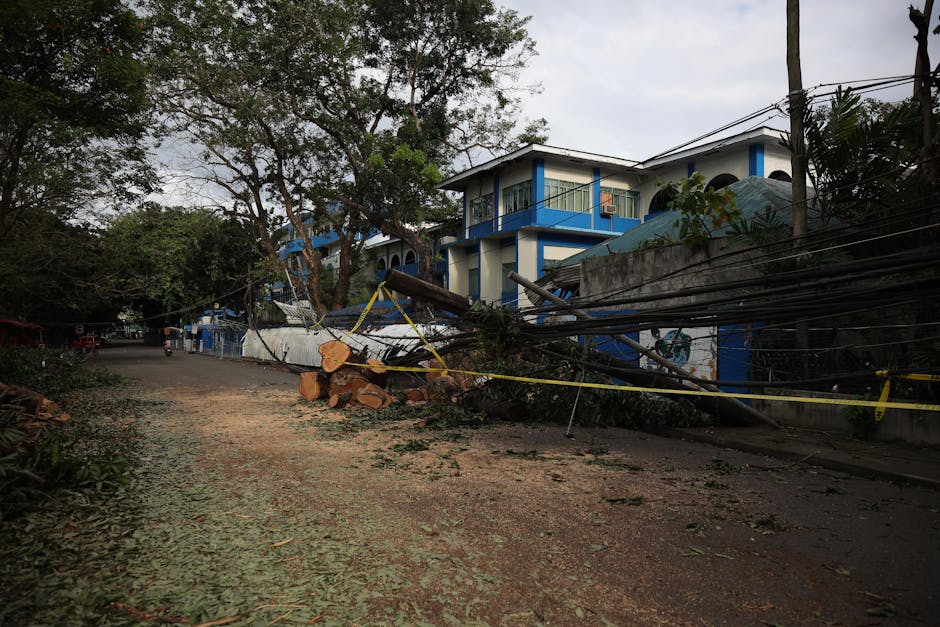
The widespread outages left many residents navigating dark homes and disrupted businesses during the peak of the storms. City officials stated that technical teams and contractors worked extended shifts to manage the deluge of emergency calls. Mayoral Committee Member for Energy Xanthea Limberg noted that the restoration process became complex in cases where infrastructure suffered extensive physical damage. “Our electricity teams and contractors have been working tirelessly to respond to all storm related service requests,” Limberg stated. “In many cases, repairs require complete replacement of damaged infrastructure, rather than simply switching power back on.”
Resources from less affected regions were redirected toward high-priority areas to accelerate response times, including the deployment of additional technical crews and Law Enforcement support. Data released by the City shows that the southern parts of the metro recorded the highest volume of attended service requests during the reporting period. The South region, encompassing Mitchells Plain, Wynberg, Gugulethu, and Muizenberg, accounted for more than 4,500 completed fault responses. Northern areas, including Vanguard, Mowbray, the CBD, and Atlantis, recorded more than 4,100 attended cases, while eastern areas such as Helderberg, Oostenberg, Bloemhof, and Parow saw over 2,100 service requests addressed. Officials cautioned that these figures may continue to shift as teams verify and clean up incoming reports.
Maintenance and Systemic Strain
Beyond emergency storm repairs, the City of Cape Town is conducting essential maintenance on high-voltage infrastructure to prevent future disruptions. Residents of Sea Point, Camps Bay, and Clifton were advised to prepare for planned electricity supply interruptions scheduled for late August. The maintenance work, initially set for 10pm on Saturday, August 22, until 6am the following morning, is weather-dependent, with an alternative date of Saturday, August 29, should conditions prevent the work from proceeding. The City warned that due to the complex nature of high-voltage infrastructure work, restoration times are estimates subject to potential delays.
These planned maintenance activities occur against a backdrop of persistent supply issues in other parts of the metro. In Khayelitsha, an unplanned outage left parts of the town without power in late September, coming just a day after residents marched to Parliament to demand urgent intervention. Residents have reported that some households have been without electricity for months due to recurring faults, overloaded infrastructure, and illegal electricity connections.

“Many of us have reported faults and received reference numbers from Eskom, but our electricity has still not been restored,” said resident Nomakhaya Liso. “[Residents in] some areas have paid private electricians to fix electricity issues, but some of us cannot afford that.”
Eskom, the national power utility, confirmed that technicians were on site attempting to locate the fault in Khayelitsha but could not provide an estimated time for restoration. The utility apologized for the inconvenience, noting the difficulty in providing precise timelines for complex grid faults.
The juxtaposition of large-scale storm recovery in the metro center and prolonged outages in peripheral townships illustrates the dual pressures on South Africa’s energy sector: the need for rapid emergency response to weather events and the long-term challenge of maintaining and expanding infrastructure to meet demand. While the City of Cape Town has managed to address the majority of storm-related faults, the underlying issues of infrastructure age and load management remain unresolved. Residents are urged to monitor City communications for updates on maintenance schedules and to avoid submitting repeated service requests for the same outage to allow technicians to prioritize new emergencies.
