
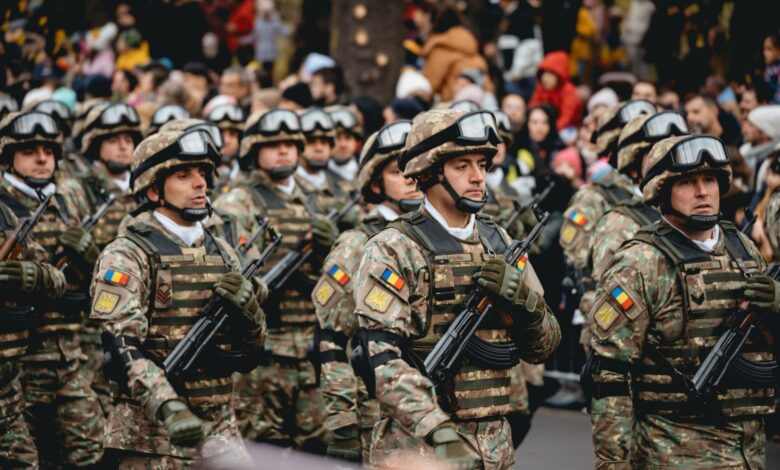
The decree mandates an increase in the total strength of the armed forces, altering previous staffing limits. By setting this specific figure, the state administrative framework now permits the recruitment and retention of a larger number of active-duty service members across various branches of the military.
This adjustment represents a formal change in the structural composition of the Russian military. The new ceiling provides the legal basis for expanding personnel numbers to meet operational requirements or strategic planning objectives. It distinguishes authorized capacity from current active deployment numbers, establishing the upper limit for military staffing.
The change in personnel limits reflects a broader administrative decision regarding resource allocation within the defense sector. By increasing the authorized headcount, the government adjusts the scale of the military establishment to align with its current strategic posture. This procedural step ensures that recruitment efforts and budgetary provisions are consistent with the updated legal parameters for military service.
Previously, the armed forces operated under lower personnel ceilings that restricted the total number of active service members. The new decree removes these prior constraints, allowing for a significant expansion in the legal size of the military workforce. This shift in policy indicates a long-term commitment to maintaining a larger active-duty force than previously authorized.
The implementation of this decree requires coordination across military recruitment centers and administrative offices. Personnel records will be updated to reflect the new authorized strength, and recruitment targets may be adjusted to fill the expanded positions. The move underscores the ongoing effort to modernize and scale the military apparatus in accordance with national security directives.
No immediate changes to field deployments or current operational missions were specified in the available information. The decree focuses on the administrative and legal framework governing military personnel numbers. Future assessments of the Russian military’s operational readiness will depend on the actual recruitment rates and retention strategies employed to reach this new authorized level.
The increase in personnel limits is part of a broader trend in defense policy adjustments. By formalizing the higher headcount, the state provides clarity on the intended size of the military. This administrative action sets the stage for subsequent logistical, training, and budgetary decisions necessary to support a larger force structure.
Observers note that such decrees are critical for understanding the scale and direction of military planning. The authorized strength serves as a key indicator of the government’s priorities regarding defense readiness and capability. The specific figure of 2,441,630 marks a definitive shift in the legal parameters governing Russian military personnel.
The decree takes effect upon signing, integrating the new personnel limits into the national defense law. Military command structures will now operate within these expanded boundaries. The adjustment allows for greater flexibility in staffing various commands and units, supporting the overall strategic goals of the Russian defense establishment.
While the decree establishes the potential size of the force, the actual number of active personnel may vary based on recruitment outcomes and attrition rates. The authorized ceiling provides the maximum limit, but operational realities will determine the effective strength of the armed forces. This distinction is crucial for accurate analysis of military capabilities and resource requirements.
The move highlights the ongoing evolution of Russia’s defense policies. By adjusting the personnel ceiling, the state responds to internal and external security considerations. The decree serves as a foundational step in managing the scale and composition of the military in the coming years.
With the new limits in place, the Russian military has a clear mandate to expand its personnel base if required. The administrative framework now supports a larger force, enabling the government to pursue its defense objectives with greater staffing flexibility. The decree marks a significant update to the legal landscape of Russian military organization.
The impact of this decision will be felt across all levels of the armed forces, from high command to frontline units. The expanded personnel ceiling allows for more robust staffing of key positions and specialized units. This structural change aims to enhance the overall readiness and operational capacity of the Russian military.
As the decree is implemented, attention will turn to how quickly the authorized numbers are filled. The rate of recruitment and the quality of training provided to new personnel will be critical factors in realizing the potential benefits of this expansion. The formal increase in personnel limits sets the stage for a significant transformation in the size and structure of the Russian armed forces.
In summary, the signing of this decree represents a pivotal moment in Russian defense administration. By raising the personnel ceiling to over 2.4 million, the government has legally committed to supporting a larger military establishment. This action reflects a strategic decision to adjust the scale of the armed forces to meet contemporary security challenges.