

Eskom announced on 22 April that supply is expected to remain stable throughout the 2026 winter season, marking a sharp reversal from 2022, which saw 205 days of load-shedding, and 2023, with 335 days. The utility reports a consistent energy supply availability of 98.9% in the last financial year, a dramatic improvement from a 9% availability rate two years prior. This recovery is attributed primarily to improved operational performance at the nation’s coal-fired power stations, which generate more than 70% of grid electricity, alongside the integration of major wind and solar projects and a reduction in overall grid demand as consumers shift to private generation solutions.
Despite this national success, localized blackouts remain a persistent issue. Data from solar energy company Wetility indicates there were 91,934 grid power outages across the country last year, averaging six to nine incidents per month. These unplanned outages deprive households of power for between 73 and 132 hours annually. Unlike the previously announced load-shedding, these outages are often triggered by illegal connections and infrastructure vandalism.
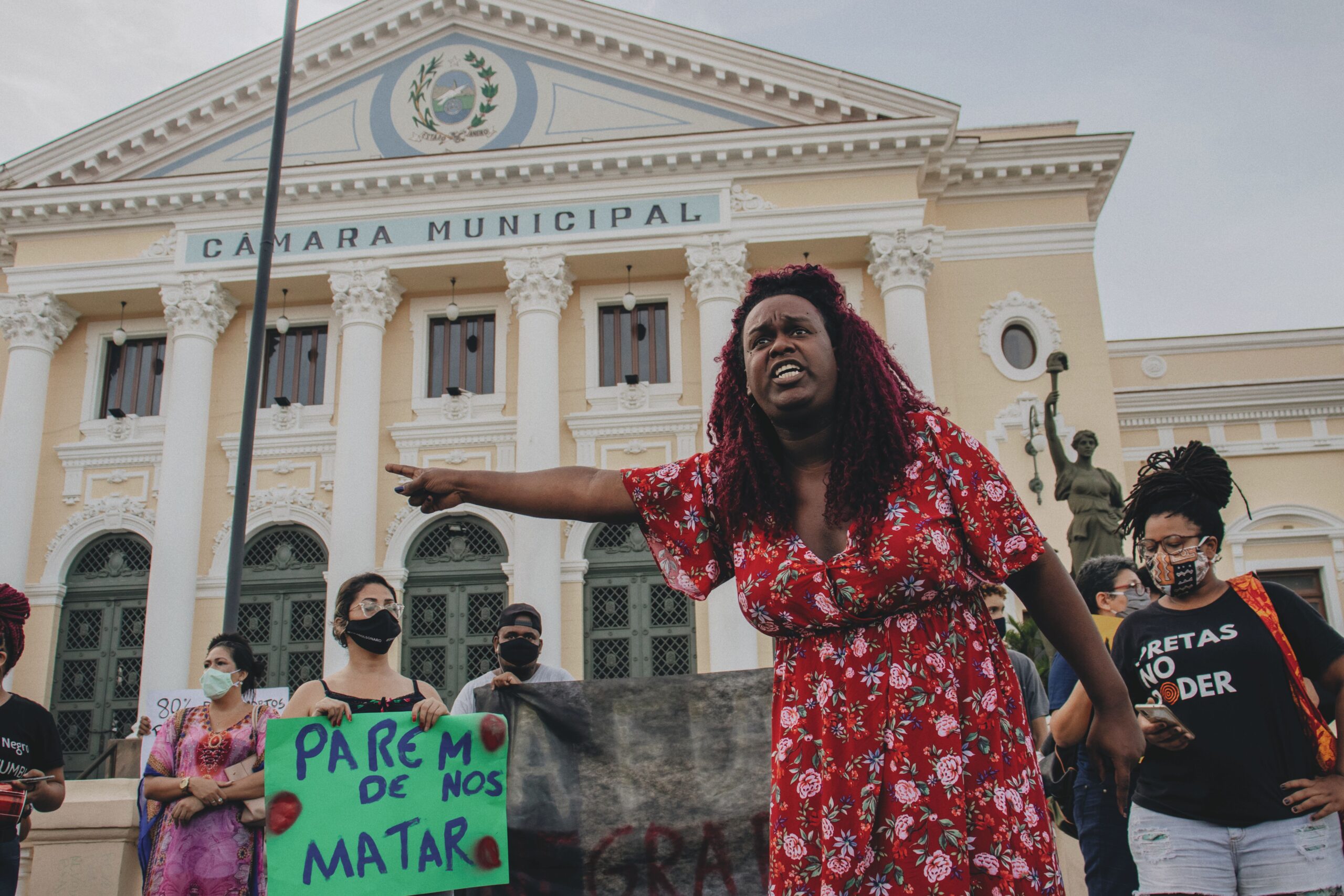
Illegal connections, particularly in informal settlements, cause unexpected spikes in demand that force operators to cut supplies to prevent equipment failure. Eskom estimates that these “non-technical losses” accounted for 8% of its power supply in the last financial year, resulting in R17.5 billion ($1.1 billion) in lost revenues. The utility notes that excessive usage from illegal taps overloads transformers, leading to explosions and prolonged outages that can last for days. The physical dangers of this practice are severe; on 13 May, a technician was killed in Johannesburg’s Crown Mines district after contacting an illegally connected cable during routine maintenance, triggering a local blackout.
Behind many of these illegal connections are organized criminal gangs that operate as “ghost vendors,” diverting power from Eskom substations and selling it to communities in informal settlements. These groups possess the sophistication to steal and operate advanced electrical equipment, posing a significant security and financial risk to the sector.
Compounding the issue of theft is a deepening financial crisis involving municipal customers. Eskom has issued a sharply worded notice to the City of Johannesburg and its municipal distributor, City Power, warning of potential supply reductions or termination. The city owes a combined R6.8 billion ($408 million), comprising R5.25 billion in arrears and R1.58 billion due by 5 June. Eskom stated that repeated attempts over the past two years to stabilize repayments had failed, accusing municipal authorities of collecting electricity revenue from users without transferring Eskom’s share.
The warning carries significant economic weight, as Johannesburg contributes roughly 16% of South Africa’s GDP and serves as the commercial hub hosting major African banks, mining houses, and multinational companies. A serious disruption to the metro’s electricity supply could ripple through sectors already strained by weak economic growth and logistics bottlenecks. This standoff occurs amid heightened scrutiny of the city’s fiscal position, with the National Treasury raising concerns about its governance and debt management.
For Eskom, the dispute with Johannesburg reflects a broader national issue. Municipalities across South Africa collectively owe the utility tens of billions of rand, a burden that undermines efforts to rebuild the company’s finances after a decade of crisis driven by ageing infrastructure, corruption, and operational failures. Eskom warns that this debt ultimately impacts ordinary consumers through higher tariffs and pressure on public finances. As the utility moves to protect its balance sheet, the next critical milestone will be the resolution of Johannesburg’s payment default and the continued enforcement against illegal connections to maintain the hard-won stability of the national grid.
