
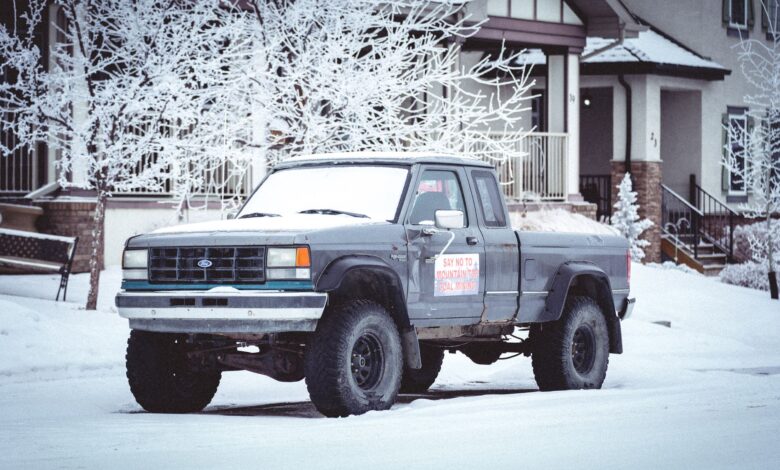
The root cause of the malfunction has been traced to a power loss originating from a cracked multi-layer ceramic capacitor. Ford’s analysis determined that the capacitor, supplied by Suzhou Dongshan Display, possesses a dissipation factor that falls outside of established specifications. The automaker suspects that the components involved may be counterfeit. At present, no accidents or injuries have been reported in connection with this defect. However, Ford has acknowledged 15 warranty claims in North America related to the issue.
The company currently does not have a permanent fix available for the defect. The remedy is under development, and owners will be instructed to bring their vehicles to a service center for a replacement once the solution is ready. Interim letters notifying owners of the safety risk are expected to be mailed out on October 5. Additional correspondence will follow once the technical remedy is finalized. Vehicle owners can check the NHTSA database to determine if their specific truck is included in the recall.
This recall is part of a broader series of vehicle safety actions reported by Transport Canada during the week of September 19 to 25, which included multiple recalls across several major manufacturers. Ford, for instance, issued four separate recalls during that period. The largest of these affected approximately 57,000 F-150 pickup trucks from the 2023 to 2026 model years due to a fuel tank problem. Another recall targeted 15 electric Mustang Mach-E SUVs from the 2023 to 2025 model years, involving a battery energy control module that may not have been programmed correctly during service. This programming error could lead to an incorrect state of charge display, potential loss of power to the wheels, and battery overheating after repeated fast charging.
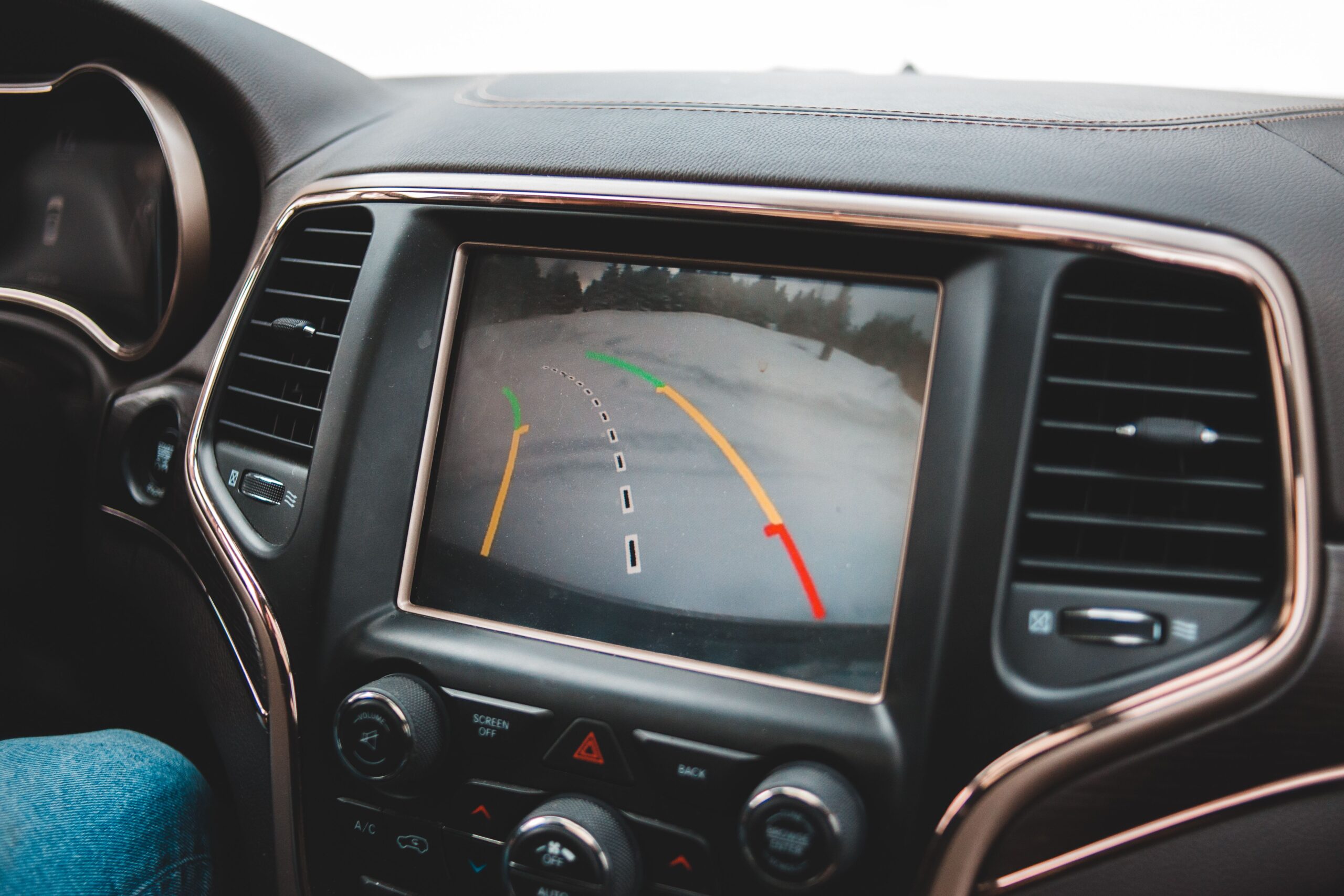
In addition to the Ranger and F-150 issues, a third Ford recall affected just over 100 Transit vans from the 2026 model year. Transport Canada also reported recalls involving Jaguar, Jeep, Land Rover, and Volkswagen vehicles during the same reporting period. For consumers, the immediate commercial consequence of the Ranger recall is a temporary inability to use the backup camera feature reliably until the remedy is deployed, necessitating caution when reversing. The recall underscores ongoing supply chain quality control challenges, particularly regarding electronic components sourced from international manufacturers.
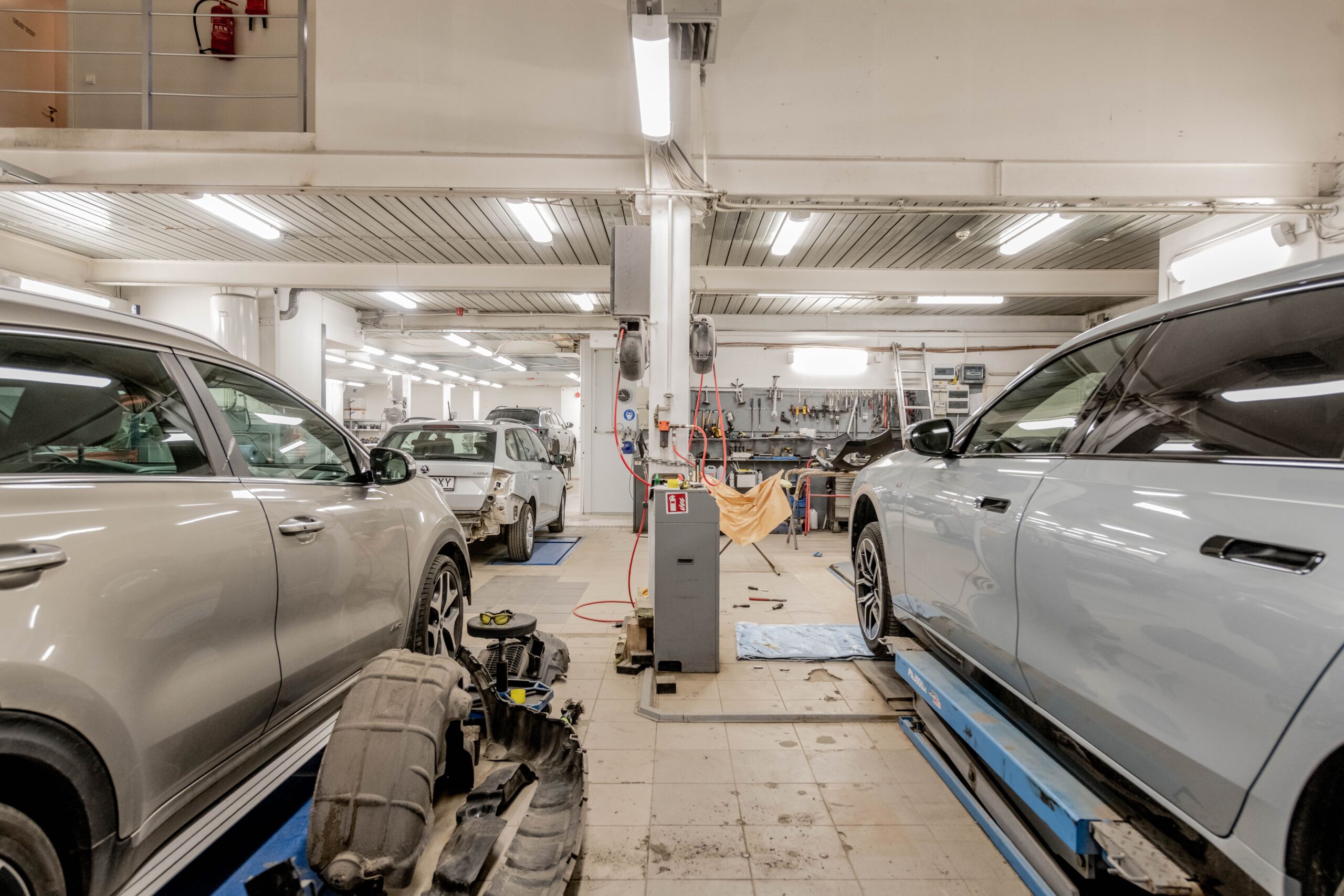
The NHTSA emphasizes that the safety risk associated with the rearview camera defect is significant due to the reduced visibility in reverse gear. While the defect rate is estimated at nearly half of the affected production run, the absence of reported accidents to date suggests that drivers may have compensated for the issue, or that the defect has not yet manifested in all affected vehicles. Ford’s notification process will proceed in two stages: first, the interim letter on October 5 to alert owners to the risk, and second, a subsequent letter once the repair procedure is available for implementation at authorized service centers.