

Egeland emphasized that the current response is inadequate for the scale of the crisis. He stated that aid actors are not doing enough to safeguard those most vulnerable to violence, including women, children, and displaced populations. The UN official’s comments signal a significant escalation in criticism of the humanitarian sector’s effectiveness in one of the world’s most complex crises.
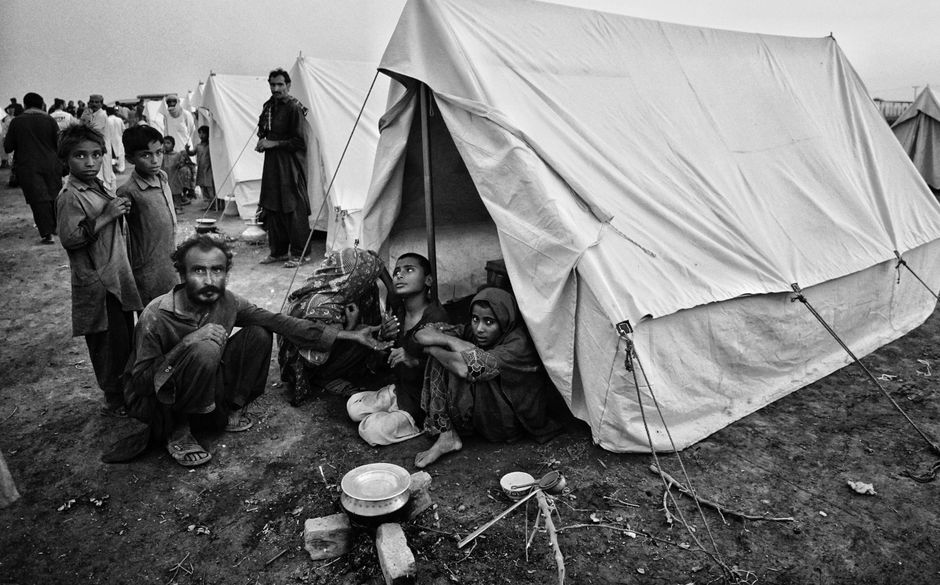
Burkina Faso has experienced a sharp increase in violence since 2015, primarily driven by jihadist insurgent groups operating in the northern and eastern regions. The conflict has led to widespread displacement, with millions of people forced to flee their homes. The security environment remains volatile, with frequent attacks on military bases, civilian infrastructure, and humanitarian convoys. This instability has severely constrained the ability of aid agencies to operate safely and deliver essential services such as food, medical care, and shelter.

The criticism from Egeland adds pressure on both the international community and the Burkinabè government to improve coordination and access. Humanitarian organizations have repeatedly called for greater security guarantees and diplomatic engagement to ensure that aid reaches those in need without restriction. The failure to protect conflict victims is not merely a logistical issue but a moral and operational crisis that threatens to exacerbate existing social and economic fragilities in the Sahel region.
Regional dynamics further complicate the situation. The spillover of conflict from neighboring Mali and Niger has created a transnational security challenge that requires coordinated military and humanitarian responses. However, fragmentation in security sector reform and varying political priorities among regional actors have hindered cohesive action. The UN’s strong language suggests that current diplomatic and security efforts are insufficient to stabilize the region or protect the civilian population effectively.
The next critical step involves a comprehensive review of humanitarian access protocols and security measures. Without immediate improvements in protection and coordination, the gap between the needs of the population and the capacity of aid providers is expected to widen. The situation in Burkina Faso remains a focal point for international attention, with the potential for further deterioration if urgent interventions are not implemented.
