
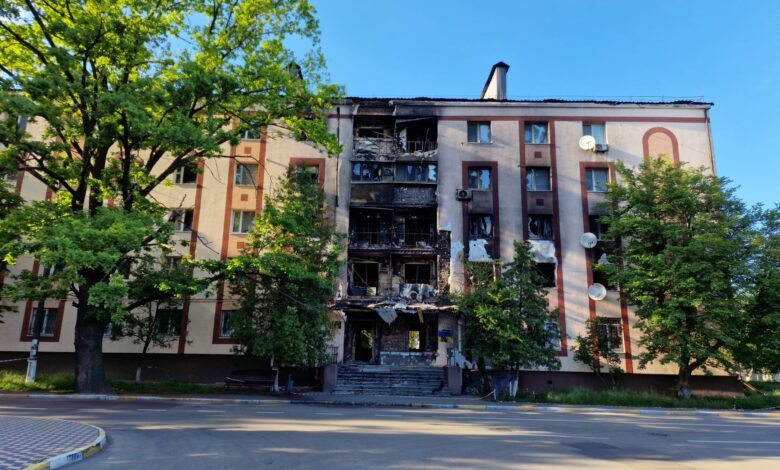
In the northeastern city of Sumy, Russian forces launched multiple attacks using glide bombs and “Molniya” drones. Oleksiy Hryhorov, the head of the Sumy Regional Military Administration, confirmed that two people died in the daytime strikes, an elderly woman and the 16-year-old teen. Six additional people were injured, including a 12-year-old girl who suffered acute stress reactions and a 66-year-old man who was hospitalized. The glide bombs struck near a family and child support center, which sustained structural damage, though no visitors were present at the time of the impact. Later that day, two further “Molniya” drone strikes hit residential buildings in the Kovpakivskyi and Zarychenskyi districts, injuring one woman and damaging a 10-story apartment block that had already been hit in previous strikes.
Simultaneously, the capital, Kyiv, endured one of its most protracted air raids to date. Air raid sirens sounded at 15:46 on Sunday and did not cease until 00:56 on Monday, leaving residents under continuous alert for nine hours and ten minutes. This duration is among the longest recorded since the full-scale invasion began; the previous record stood at 10 hours and 32 minutes last November. The extended threat was driven by a massive wave of Russian attack drones that targeted multiple districts throughout the day and night.
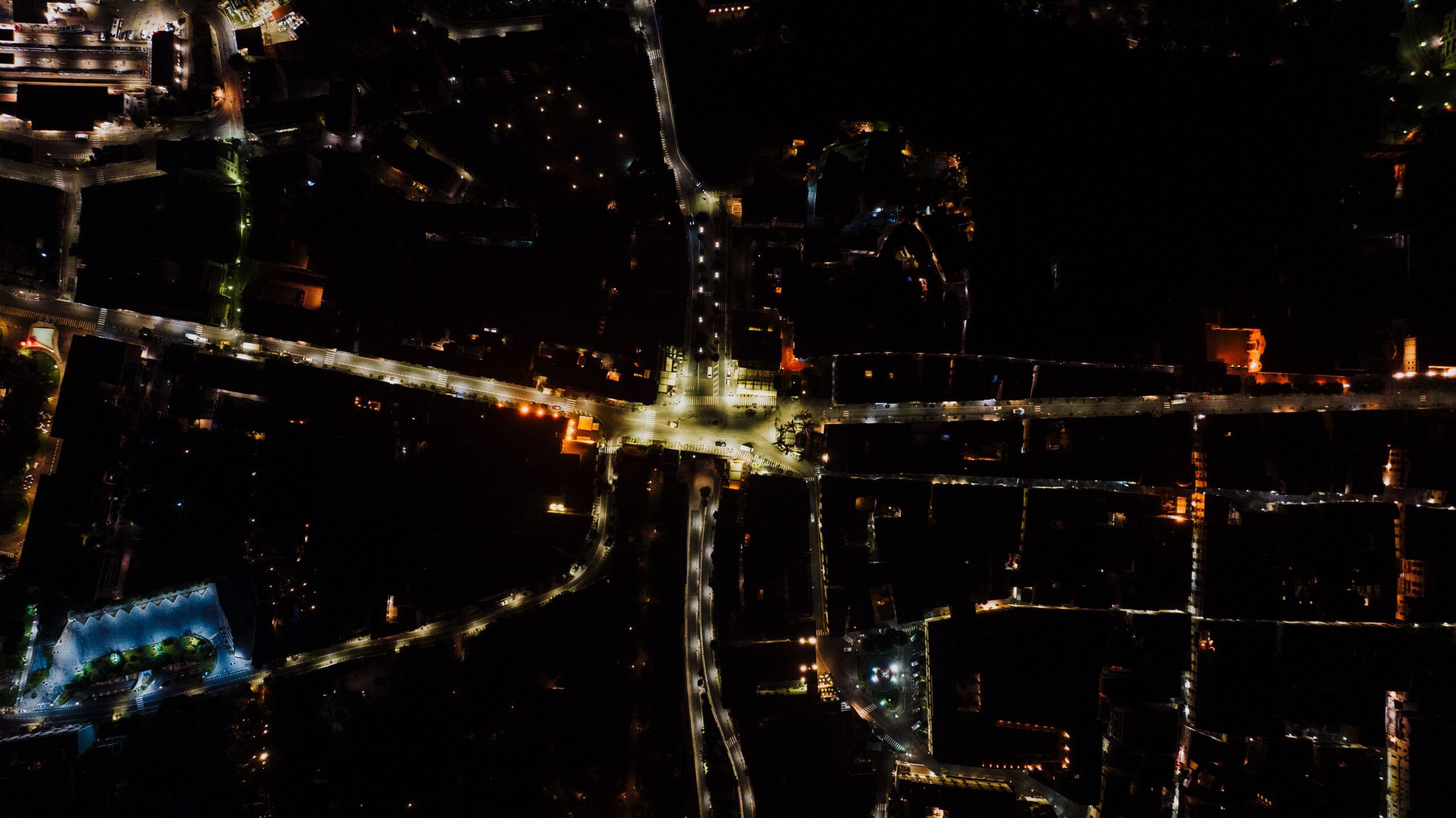
The sustained barrage caused significant damage to civilian infrastructure in Kyiv. A drone strike hit the seventh floor of a 16-story residential building in the Podil district, injuring several people. In the Shevchenkivskyi district, three people were wounded, including two 16-year-olds, following an attack on a data center. President Volodymyr Zelensky disclosed that Russian forces struck this data center twice on Sunday morning. Further strikes damaged a building housing the Saudi Arabian ambassador’s residence, two kindergartens, two schools, and communications facilities. In the Darnytskyi district, a drone hit a multi-story apartment building, injuring a woman, while two others were hurt in an open area in the Dniprovskyi district. One man was killed in the Solomianskyi district during the overnight phase of the attacks.
West of the capital, in the Chernihiv region, a Russian drone struck a residential area in Novhorod-Siversk around 19:00 on Sunday. The impact damaged private houses and started a fire on a 50-square-meter plot, which rescue services subsequently extinguished. Four people were hospitalized, including two teenagers aged 15 and 17, and two men aged 19 and 27.
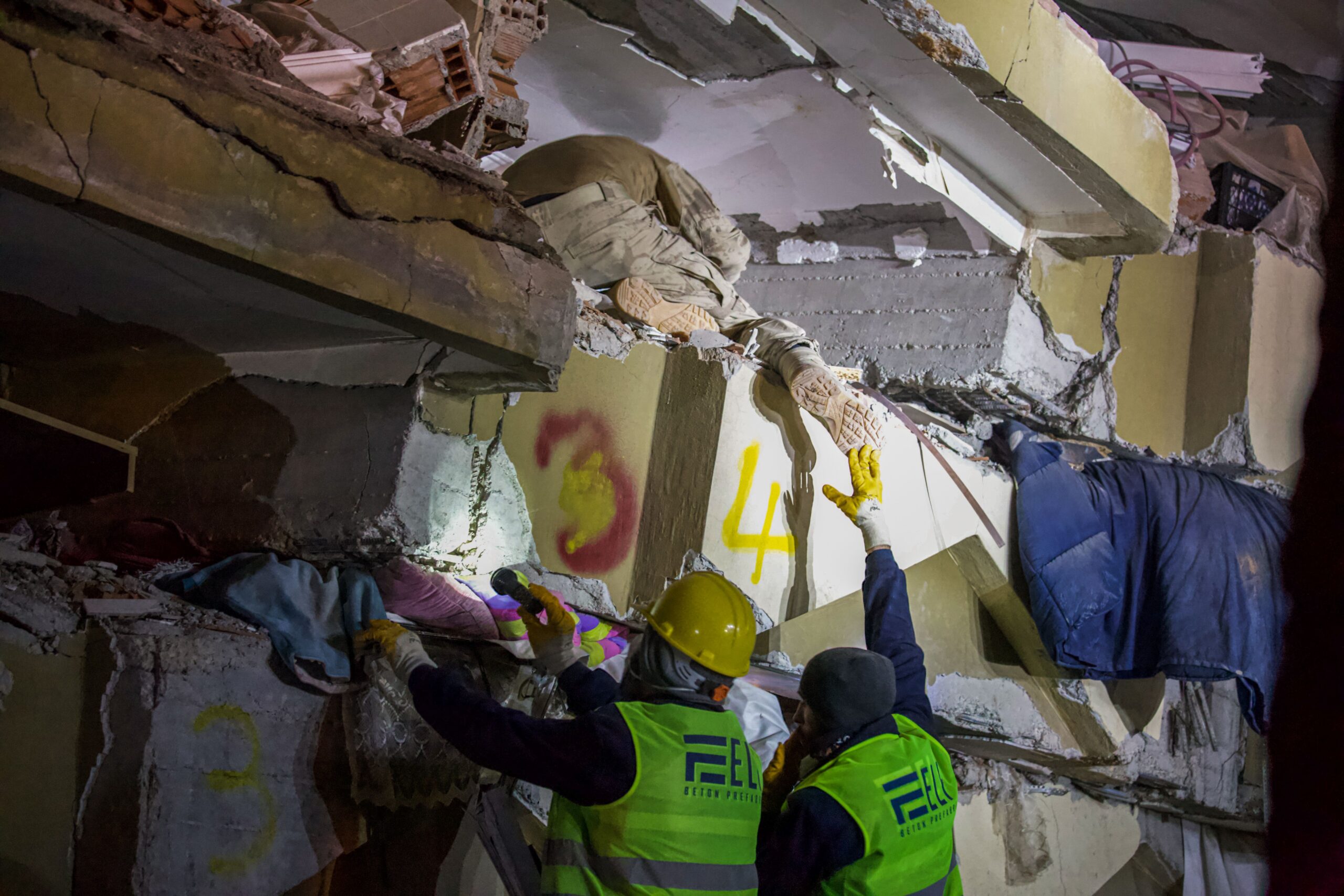
These incidents contributed to a total of eight fatalities across Ukraine on Sunday. Zelensky stated that Russia had launched approximately 3,900 drones, aerial bombs, and missiles over the preceding week. The Ukrainian leadership accused Moscow of deliberately targeting civilians as winter approaches, a tactic that strains emergency services and displaces populations from their homes. The geographic spread of the strikes—from the border region of Sumy to the capital and the Chernihiv oblast—highlights the breadth of the current air campaign.
The logistical constraints on the Ukrainian side are evident in the prolonged duration of the air raids, which require constant vigilance and limit civilian mobility. The specific targeting of educational and diplomatic facilities in Kyiv suggests a strategic intent to degrade both civilian morale and administrative functions. As the conflict enters its fourth year, the frequency and intensity of these multi-vector attacks present a growing challenge to air defense systems and civil protection efforts. The next confirmed development will likely involve further assessments of the infrastructure damage in Kyiv and the ongoing investigation into the circumstances of the fatalities in Sumy and Novhorod-Siversk.