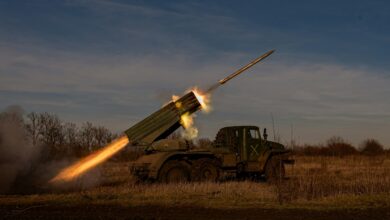
The strikes coincide with a new tactical focus on Ukraine’s critical infrastructure. Over the last four days, Russian forces have targeted several of Kyiv’s key bridges, including in broad daylight while traffic was flowing. The Russian Defense Ministry claimed one bridge was hit because it was used to move troops and military cargo. Analysts suggest this tactic aims to sever links between the capital’s two sides, separated by the Dnipro River, further paralyzing movement and logistics within Ukraine’s largest city. The Russian Foreign Ministry issued warnings to foreign nationals and diplomatic personnel, stating that Moscow “will continue to carry out large-scale retaliatory strikes.” This mirrors a similar warning issued in May. Unlike then, European allies are refusing to heed the Kremlin’s call to abandon the city.
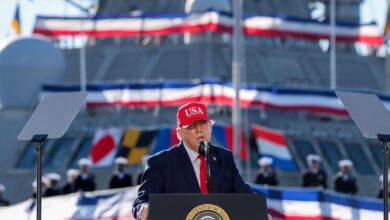
While the aerial campaign intensifies, diplomatic efforts are being revived on two fronts. US special envoy Steve Witkoff and Jared Kushner met with President Vladimir Putin in Moscow on Saturday. Kremlin aide Yuri Ushakov described the three-hour meeting as “highly useful” and “substantive,” noting that the US envoys outlined ideas for a settlement. Trump stated that the envoys were bringing a “proposal to end the war.” Both Moscow and Kyiv announced a three-day ceasefire to coincide with the diplomatic visit, though the durability of this pause remains untested given the scale of recent strikes.
On the battlefield, Ukraine has continued a campaign of deep strikes into Russian territory, claiming to have disabled more than half of Russia’s oil refining capacity since summer. The Russian Defense Ministry stated that its recent “massive strikes” on Kyiv were a direct response to Ukraine’s threats to intensify attacks on Russian oil refineries. Ukrainian strikes have precipitated a major fuel crisis in Russia, with gasoline shortages impacting the domestic economy and reducing oil export revenues that fund the war effort. These economic pressures, combined with a looming budget crisis, have increased political discontent within Russia, though President Putin has not retreated from his maximalist territorial demands.
The conflict’s geographic scope is also expanding, raising alarms in Europe. Ukrainian President Zelenskyy blamed a Russian drone attack for the fatal sinking of a Turkish civilian ship carrying corn in Romania’s section of the Black Sea on Monday. Romanian authorities confirmed two deaths and 11 rescues. While the source of the attack is under investigation, it marks the latest incursion into Romanian territory by a Russian attack this year. Similar incidents have occurred in Moldova, with President Maia Sandu stating that the war is “dangerously reaching” her country. These events have led to increased concerns among NATO members about hybrid attacks and the potential for the conflict to spill over into allied territories.
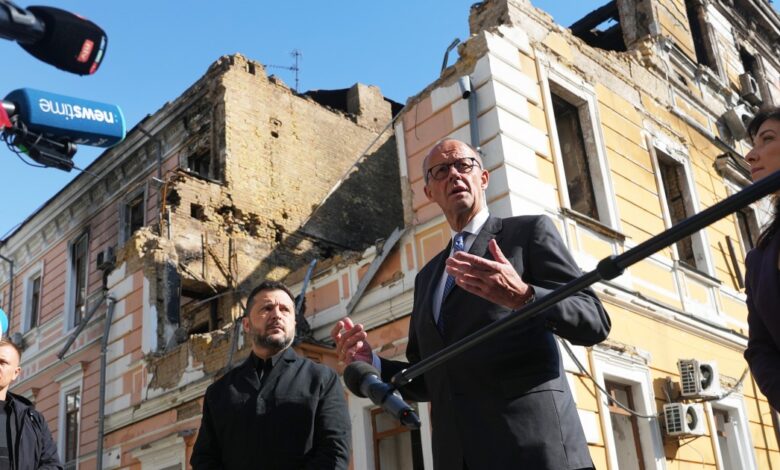
Germany has reaffirmed its commitment to Ukraine, with Merz announcing an additional $1.1 billion in military aid. He emphasized that Germany would not be intimidated into abandoning Ukraine, framing the conflict as a matter of European security. However, German intelligence officials have warned that the country could become embroiled in a “violent conflict with Russia” as Moscow steps up its “shadow war” against European democracies. The juxtaposition of high-level diplomacy and escalatory military action suggests that while a pathway to negotiations is being explored, the immediate risk of further conflict remains high.
Ukraine’s recent successes in halting Russian advances and degrading its energy sector have shifted the strategic dynamic, but they have not alleviated the devastating domestic impact of the war. Ukraine faces a deepening demographic crisis and mounting economic costs. As US envoys head to Kyiv, the focus shifts to whether the proposed settlement can address the widening gap in air defenses and the broader strategic impasse between Moscow and the West.