

The core of this second phase is a significant restructuring of Mexico’s energy sector. In January 2025, the government presented a package of modifications that restores the state’s primary role in planning electricity. The reform legally redefines electricity not as a commodity, but as a fundamental element of a dignified life. Consequently, the constitution now mandates that all activities of public enterprises must prioritize coverage and access over profit. This legislative move represents a deliberate ideological shift, aiming to dismantle what opponents of the 4T call the “deification of the market” and what supporters view as the removal of a belief system that vilifies the state and collective action.
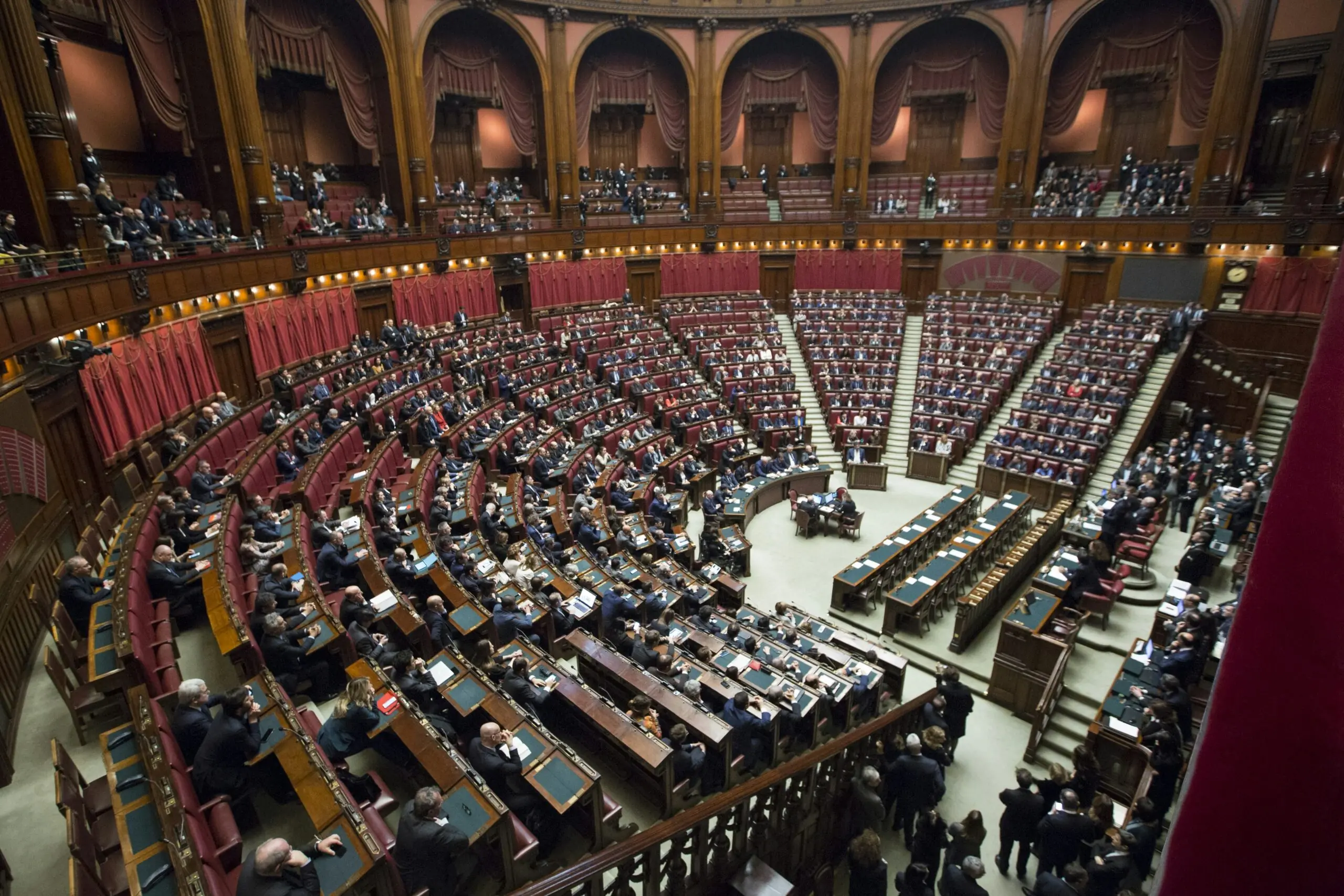
The political capital to enact these changes stems from the historic victory in the June 2024 general elections. Sheinbaum, Mexico’s first female president, was elected with nearly 60% of the popular vote, the highest share in the country’s post-democratic transition history. Her party, the National Regeneration Movement (Morena), in coalition with the Green Party and the Workers’ Party, secured two-thirds of the seats in the Chamber of Deputies. However, the coalition came two votes short of the absolute supermajority required to pass most constitutional reforms unilaterally. To proceed, the administration must persuade at least two senators from opposition parties to join its agenda. This dynamic highlights a complex political reality: while Morena dominates the executive and 24 of the 32 state governorships, it lacks the absolute legislative control necessary to implement its full constitutional vision without cross-party negotiation.

The 4T project frames itself as the continuation of three prior historical transformations: the War of Independence (1810–1821), the War of Reform (1857–1861), and the Mexican Revolution (1910–1917). Proponents, including Héctor Díaz Polanco, president of Morena in Mexico City, argue that the movement has successfully constructed a new “common sense.” “We began from the premise that the market cannot regulate itself and that all the country’s problems stemmed from that initial idea,” Díaz Polanco stated. The project seeks to replace the “micro-politics of clientelism” that characterized the ruling PRI era (1934–2000) and the neoliberal policies of the PAN era (2000–2012) with “macro-politics of programmatic developmentalism.” This approach emphasizes democratic planning and national development goals rather than short-term electoral favors.
However, analysts note that the ideological battle has advanced faster than the economic transformation. A significant tension exists between the 4T’s rhetoric of sovereignty and the structural realities of Mexico’s trade agreements. The United States-Mexico-Canada Agreement (USMCA), which entered into force during AMLO’s first term, was renegotiated by the previous administration. Critics argue that the treaty has deepened Mexico’s dependency on the United States rather than reversing it. The agreement expanded investment rights for U.S. companies, prohibited measures favoring national production, and guaranteed preferential treatment for foreign financial services. While the 4T has formally preserved sovereignty over hydrocarbons, the legal protections of over one hundred extraction contracts initiated during the 2013–2018 energy reform remain in place. Furthermore, the USMCA liberalized the agricultural market, increasing imports of genetically modified products and limiting domestic subsidies.
Neoliberalism, in this context, is understood not merely as corruption or limited state action, but as the reorganization of production for export and the reinforcement of economic dependency. The 4T’s challenge is to navigate these entrenched international obligations while pursuing domestic industrial policy and social welfare.
Beyond economics, the administration faces severe tests in public security and the rule of law. The June 2024 election results, while a mandate for the 4T, occurred against a backdrop of organized crime that has significantly weakened state authority. Observers note that while Sheinbaum possesses the political power to shape Mexico’s future, her capacity to tackle the security crisis—which her predecessor addressed with a strategy that critics say gave “carte blanche” to criminal elements—remains to be seen. The success of the “second storey” of the 4T will depend on whether the government can translate its legislative dominance into tangible improvements in safety and economic independence, or if it will remain constrained by the structural dependencies established in the prior decade.




One Comment