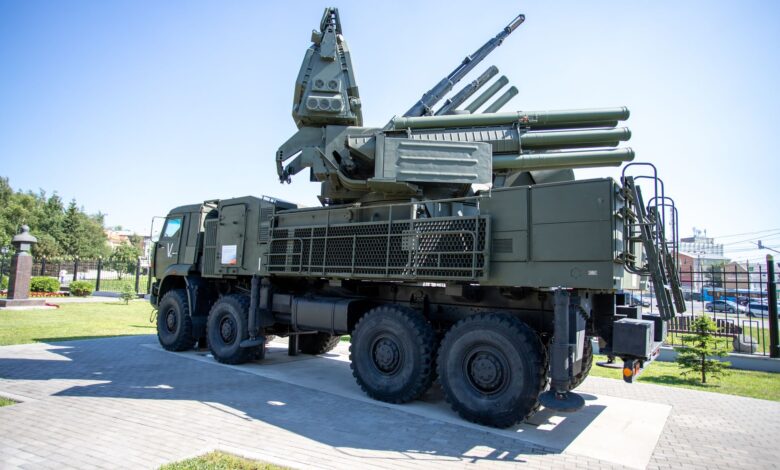
The central development here is the tangible shift from political dialogue to concrete hardware acquisition and joint technical validation. For decades, German-Israeli defense relations have been complex, shaped by historical sensitivities, differing strategic cultures, and strict export controls. However, the current trajectory indicates a pragmatic re-evaluation. The successful test of the ballistic missile interceptor suggests that German forces are not merely purchasing foreign systems but are actively integrating them into their existing defense framework. This integration process is critical; it involves understanding the system’s fire-control logic, its compatibility with German command-and-control networks, and its operational limitations under various threat scenarios.
Operationally, the focus on ballistic missile interception addresses a specific gap in European air defense. While NATO possesses robust defenses against aircraft and cruise missiles, the threat landscape has expanded to include ballistic missiles, which require different detection and interception technologies. By testing an Israeli system, Germany is gaining direct experience with the performance characteristics of a platform designed by a nation that has operated in one of the world’s most constrained and high-threat environments. Israel’s defense industry is known for developing systems that prioritize rapid deployment, high reliability, and effectiveness against asymmetric threats. The inclusion of rocket launchers in the deal further suggests a dual focus: enhancing both defensive interception capabilities and the ability to project force or support allied operations through precision strike capabilities, depending on the specific variant of the launcher procured.
The strategic significance of this deepening tie extends beyond bilateral relations. In a European context, Germany serves as the economic and military anchor of the continent. Its decisions on procurement and interoperability influence the broader NATO alliance. By aligning with Israeli technology, Germany is signaling a willingness to diversify its defense supply chain, which has historically been heavily reliant on domestic and traditional Western European partners. This diversification can enhance resilience against supply chain disruptions and geopolitical pressures. Furthermore, it fosters a level of technical interoperability that is increasingly vital for coalition operations. If German systems can effectively communicate with and support Israeli-origin platforms, the spectrum of potential allied cooperation expands.
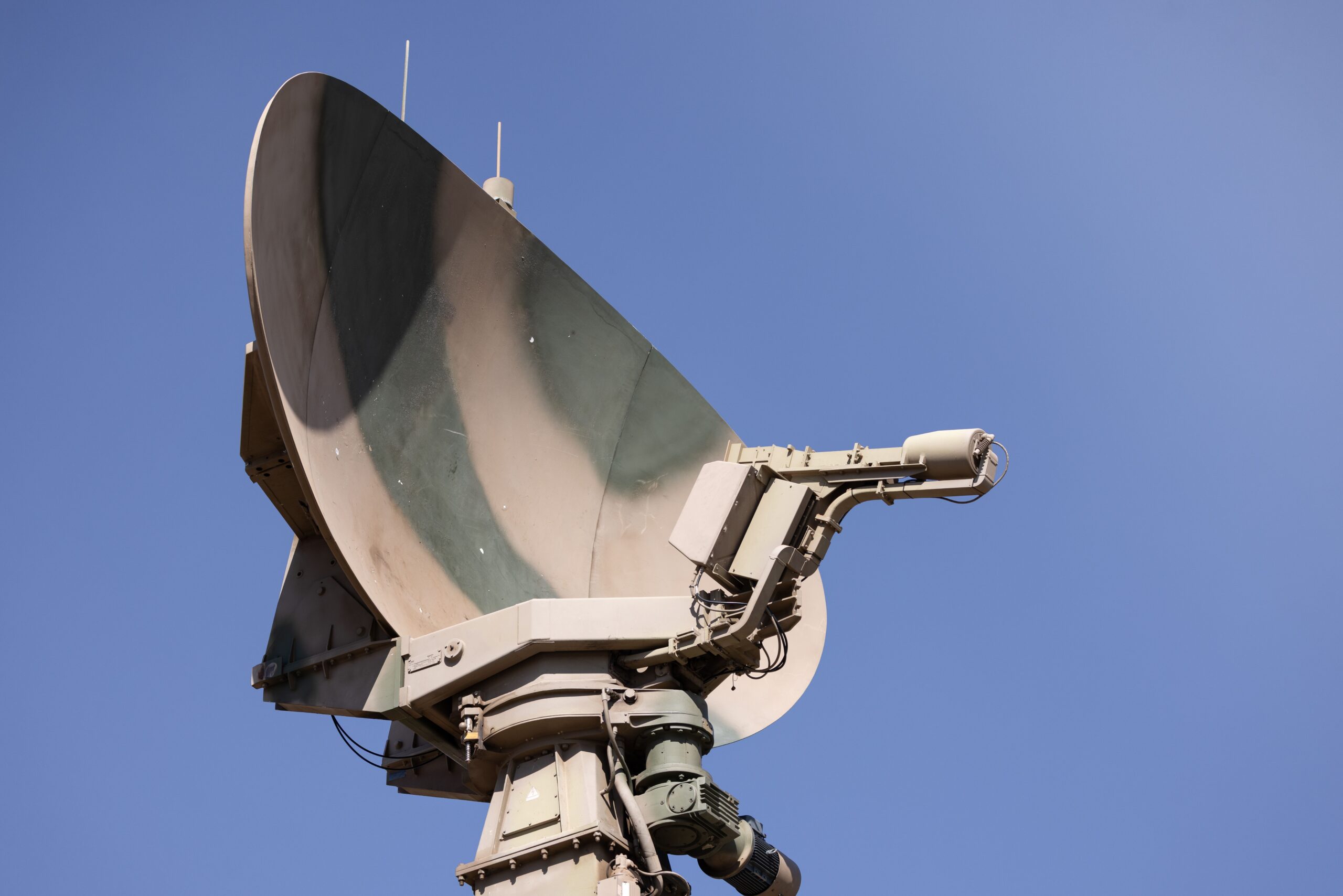
However, the capabilities and limitations of these systems must be viewed with technical discipline. A successful test of a ballistic missile interceptor indicates that the system functioned as intended under the specific conditions of the trial. It does not, however, guarantee performance in all operational environments. Factors such as electronic warfare, cluttered radar environments, and the specific trajectory of incoming threats can affect interception success rates. Similarly, the acquisition of rocket launchers, while enhancing firepower, requires significant logistical support, including specialized ammunition supply chains and training for crews. Germany must ensure that its logistical infrastructure can sustain these new systems, particularly if they are to be deployed in the context of a broader European crisis.
Political and geographic constraints also play a role. Germany’s location in the heart of Europe means that its defense posture is heavily influenced by the security dynamics of its neighbors. The introduction of advanced Israeli systems into the German military inventory may alter the regional balance of power, potentially prompting reassessments by neighboring states, including those with differing strategic interests. This requires careful diplomatic management to ensure that the enhancement of German defensive capabilities does not inadvertently trigger an arms race or destabilize regional security architectures.
It is important to distinguish between verified facts and broader strategic interpretations. The sources confirm two key facts: the successful test of the Israeli ballistic missile and the impending deal for rocket launchers. The strategic analysis regarding the impact on deterrence, alliance cohesion, and regional security is based on standard defense principles and the known roles of these countries in the international order. There are no reported casualties, specific unit deployments, or battlefield observations associated with these events, as they are procurement and testing milestones rather than active combat operations. The human impact is primarily professional, involving the engineers, technicians, and military personnel responsible for the test and integration processes.
What remains uncertain is the full extent of the technological transfer and the long-term operational integration timeline. While the test was successful, the routine incorporation of these systems into standard German military doctrine may take years. Additionally, the specific models of the rocket launchers and their exact range and payload capabilities are not detailed in the available sources, limiting a precise assessment of their tactical impact. The dispute or uncertainty lies largely in the political reception of these moves within Europe, where some stakeholders may view the deepening ties with Israel as a necessary step for security, while others may raise concerns about the geopolitical implications.
The successful test of the ballistic missile interceptor stands as a concrete marker of this new phase in German-Israeli defense relations. It is a technical validation that supports the broader political decision to deepen cooperation. The next confirmed development will likely be the formal signing of the rocket launcher procurement contract and the subsequent delivery and training phases. These steps will transform the strategic intent into operational reality, further solidifying the role of Israeli technology in Germany’s defense posture. The narrative of German defense is thus shifting from a posture of cautious historical engagement to one of active, technical partnership, driven by the practical necessities of modern warfare and the imperative to maintain credible deterrence in a complex security environment.